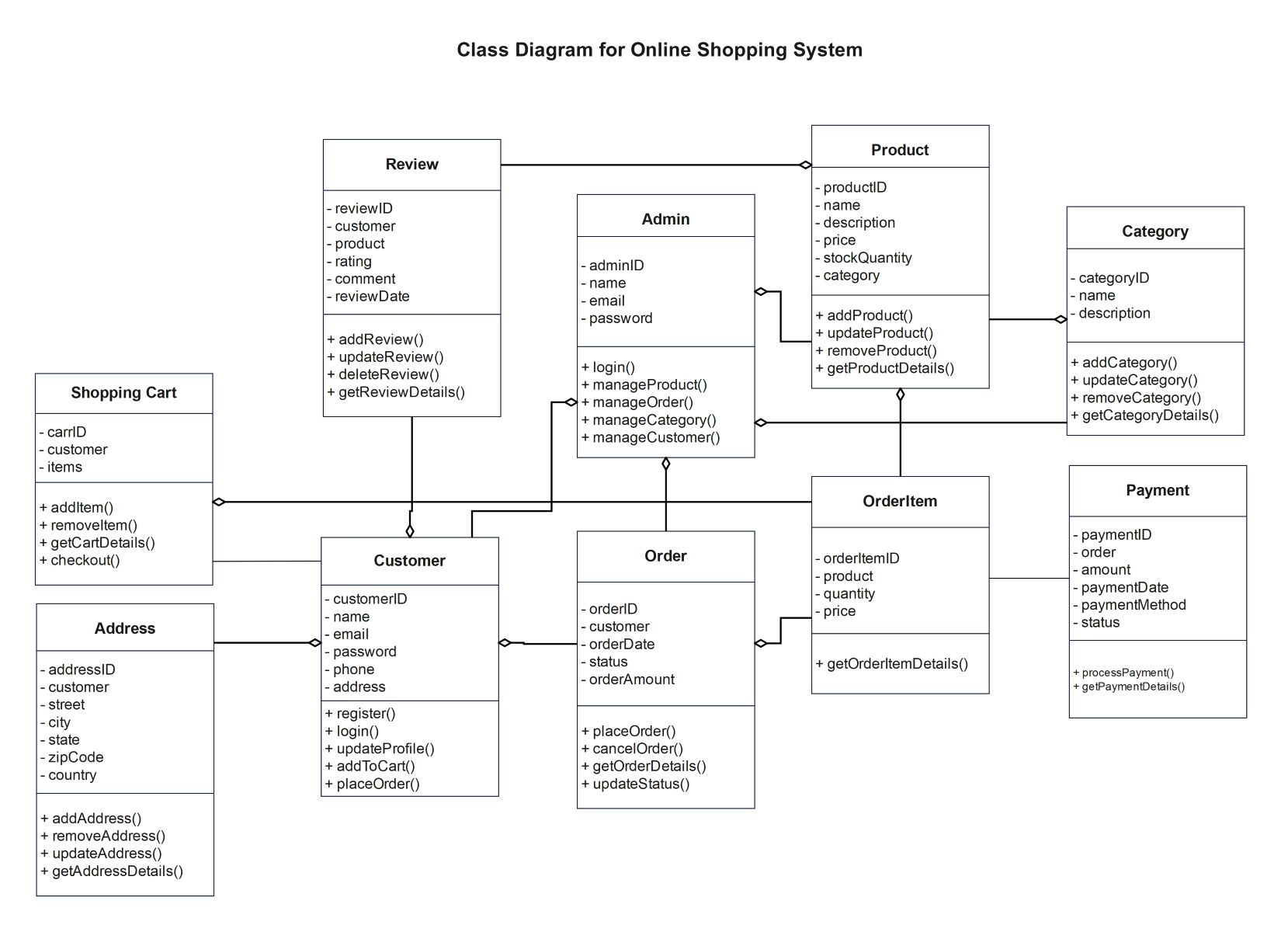
About this Class Diagram Online Shopping System template
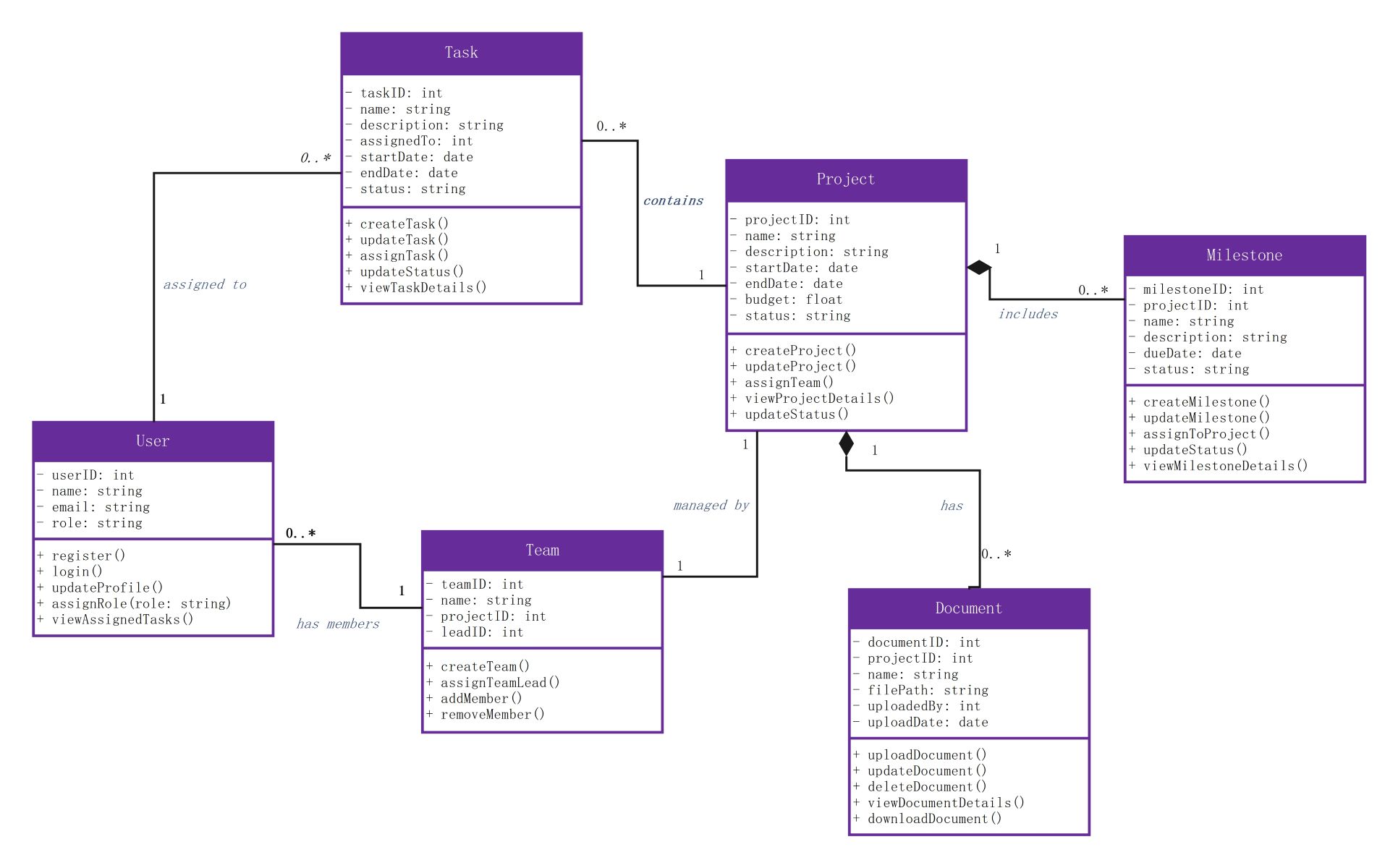
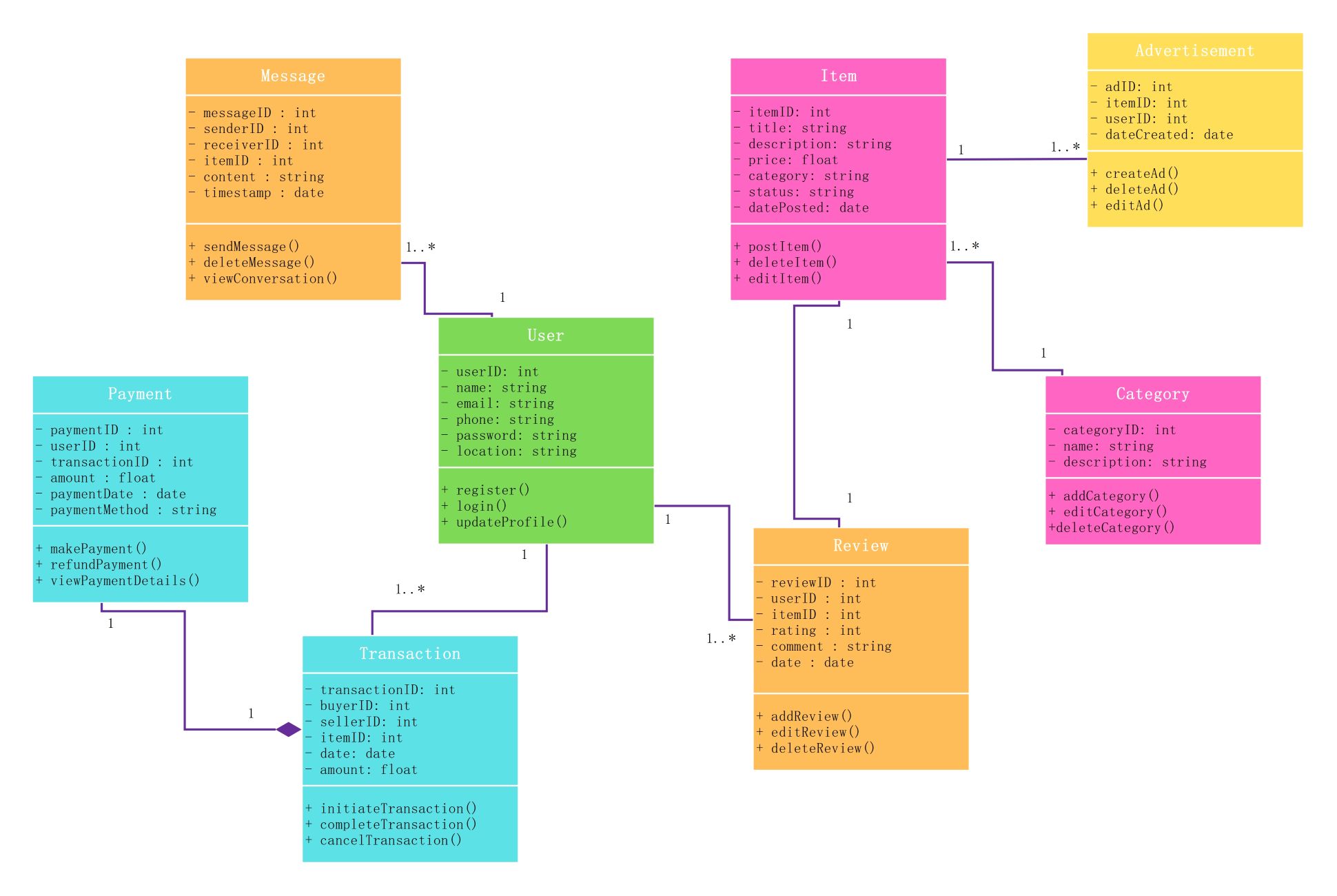
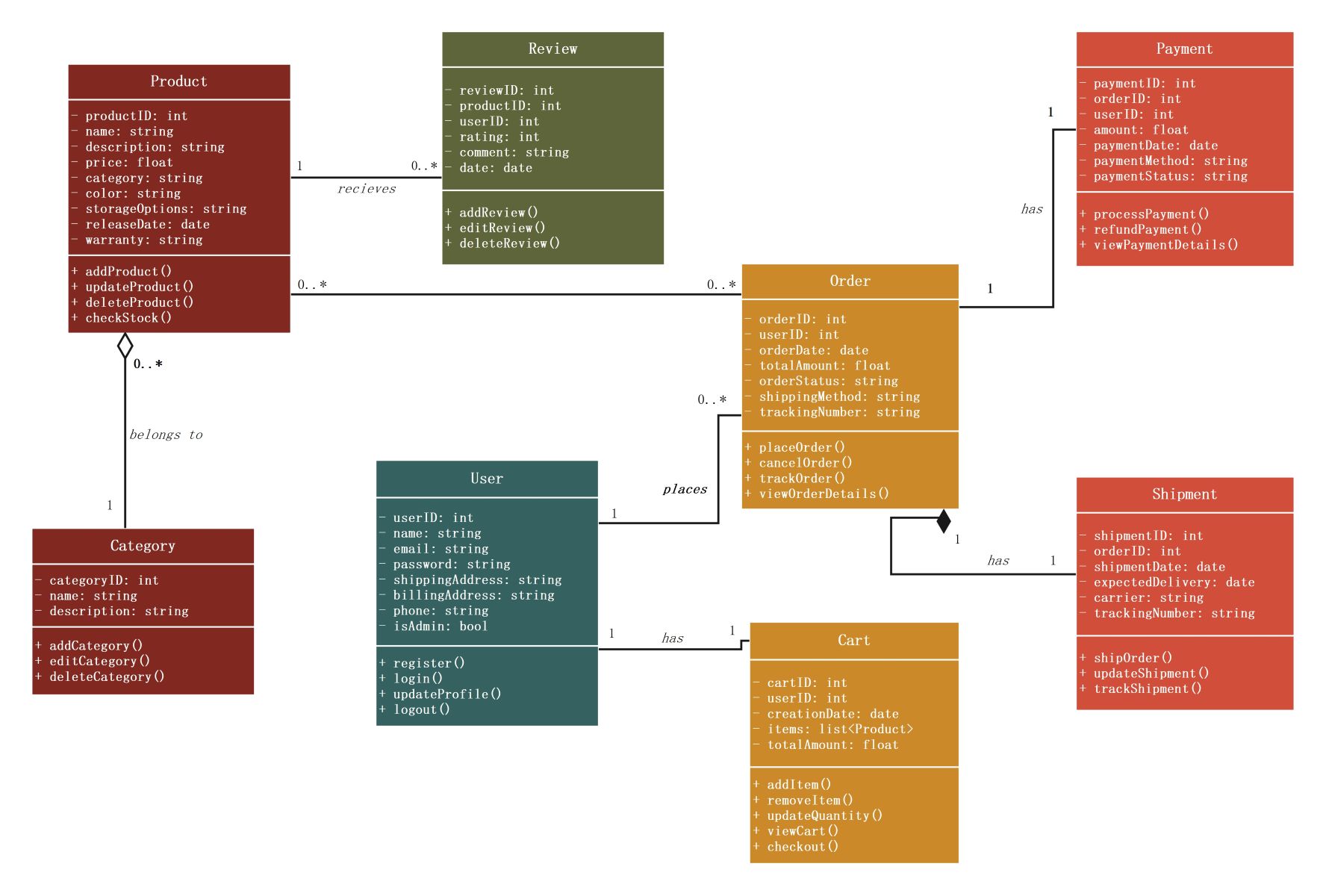
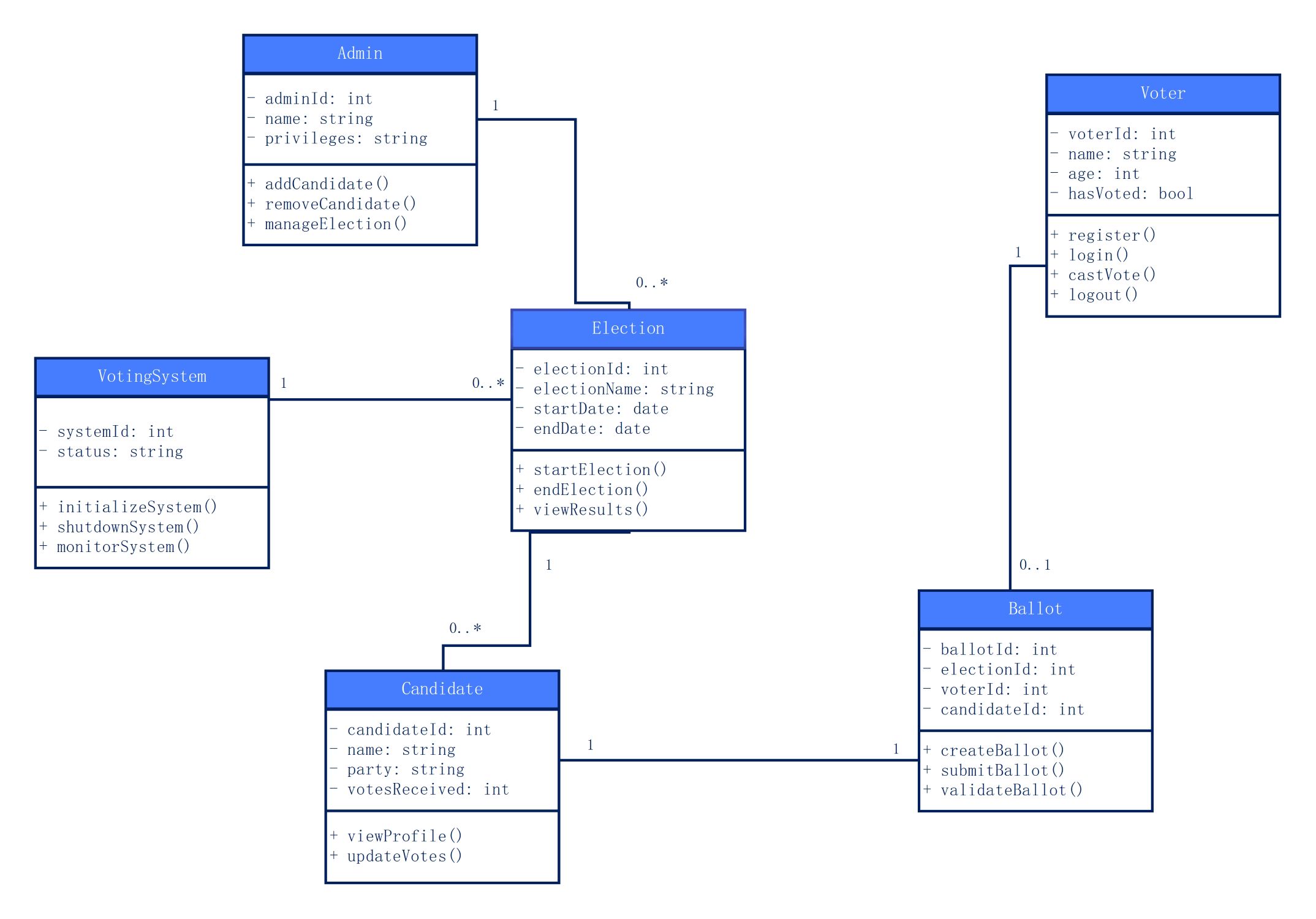
This template provides a comprehensive UML structure for designing an e-commerce application. It visually organizes essential components such as user roles, inventory management, and transaction flows to ensure a seamless development process for software engineers and architects.
Customer and Admin Roles
These classes manage user identities and permissions within the shopping platform. They define how customers register and shop while allowing administrators to oversee products, orders, and customer databases for effective site management.
- Customer: Stores user profiles and handles registration or login actions.
- Admin: Manages product lists, order statuses, and administrative oversight.
- Address: Records specific shipping and billing location details for individual customers.
Product and Category Management
This section organizes the items available for sale and their classifications. It tracks specific product details, stock levels, and user feedback through reviews, ensuring customers can find and evaluate items before making a purchase.
- Product: Contains ID, name, description, price, and current stock quantity.
- Category: Groups related products together for easier navigation and browsing.
- Review: Captures customer ratings and comments for specific products in the system.
Orders and Payment Flow
These components handle the financial and logistical aspects of the shopping experience. They link customers to specific items, calculate totals, and process payments securely to complete the entire sales cycle within the system.
- Order: Tracks the overall status and total amount of a customer purchase.
- OrderItem: Records individual items, quantities, and prices within a single order.
- Shopping Cart: Manages temporary item storage before the final checkout process.
- Payment: Details the transaction method, amount, and payment status for orders.
FAQs about this Template
-
Why is a class diagram important for an online shopping system?
A class diagram serves as the structural foundation for your e-commerce software. It clearly defines the attributes and behaviors of every object, such as customers or products. By mapping these relationships early, developers can identify logical flaws before writing code. This leads to a more stable system that handles transactions and user data without errors or unexpected technical conflicts.
-
What are the primary entities in an e-commerce UML diagram?
The primary entities usually include the Customer, Admin, Product, Order, and Payment classes. These represent the core actors and objects involved in a typical sales transaction. Each entity contains specific data fields like product prices or customer addresses. Together, they establish a cohesive framework that allows the software to process inventory updates and manage secure financial payments effectively.
-
How do relationships work between the shopping cart and orders?
In this diagram, the Shopping Cart acts as a temporary container for selected items before checkout. Once a user confirms their purchase, the system converts these items into an Order and specific OrderItems. This transition is vital because it moves data from a volatile state to a permanent record. It ensures that inventory levels adjust correctly and the customer receives an official receipt.

 (AI & Web)