About this Use Case Diagram for Online Ticketing System template
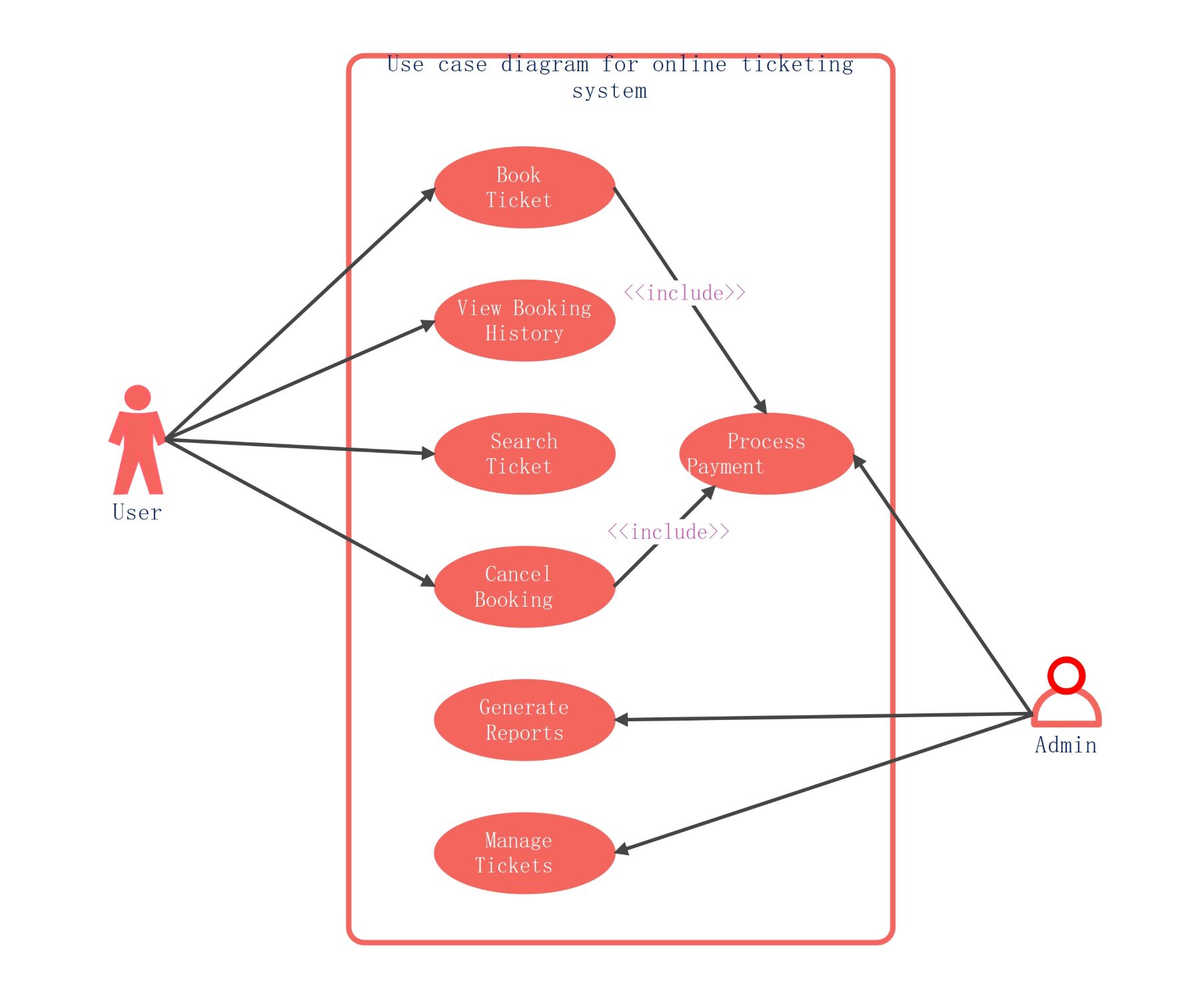
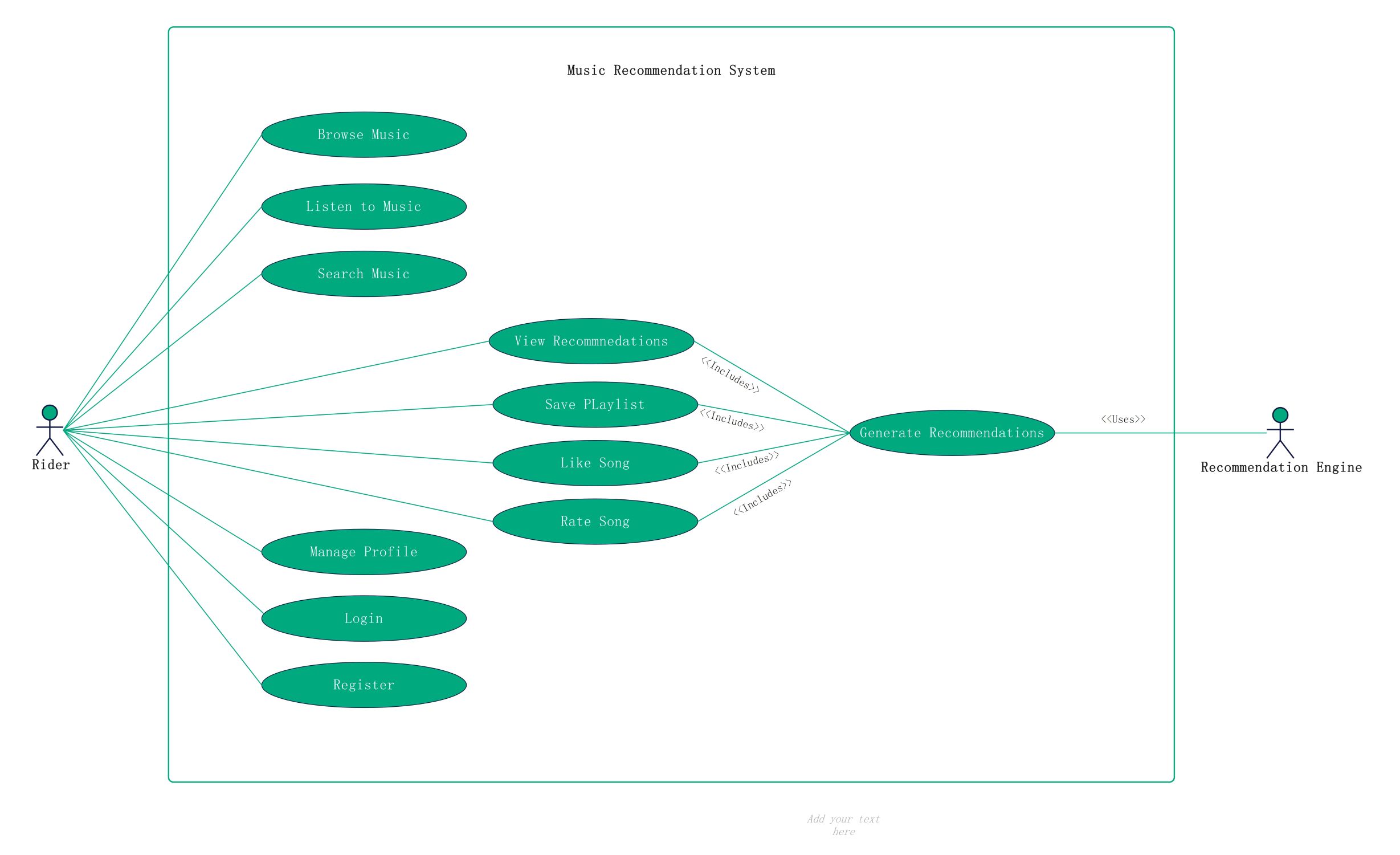
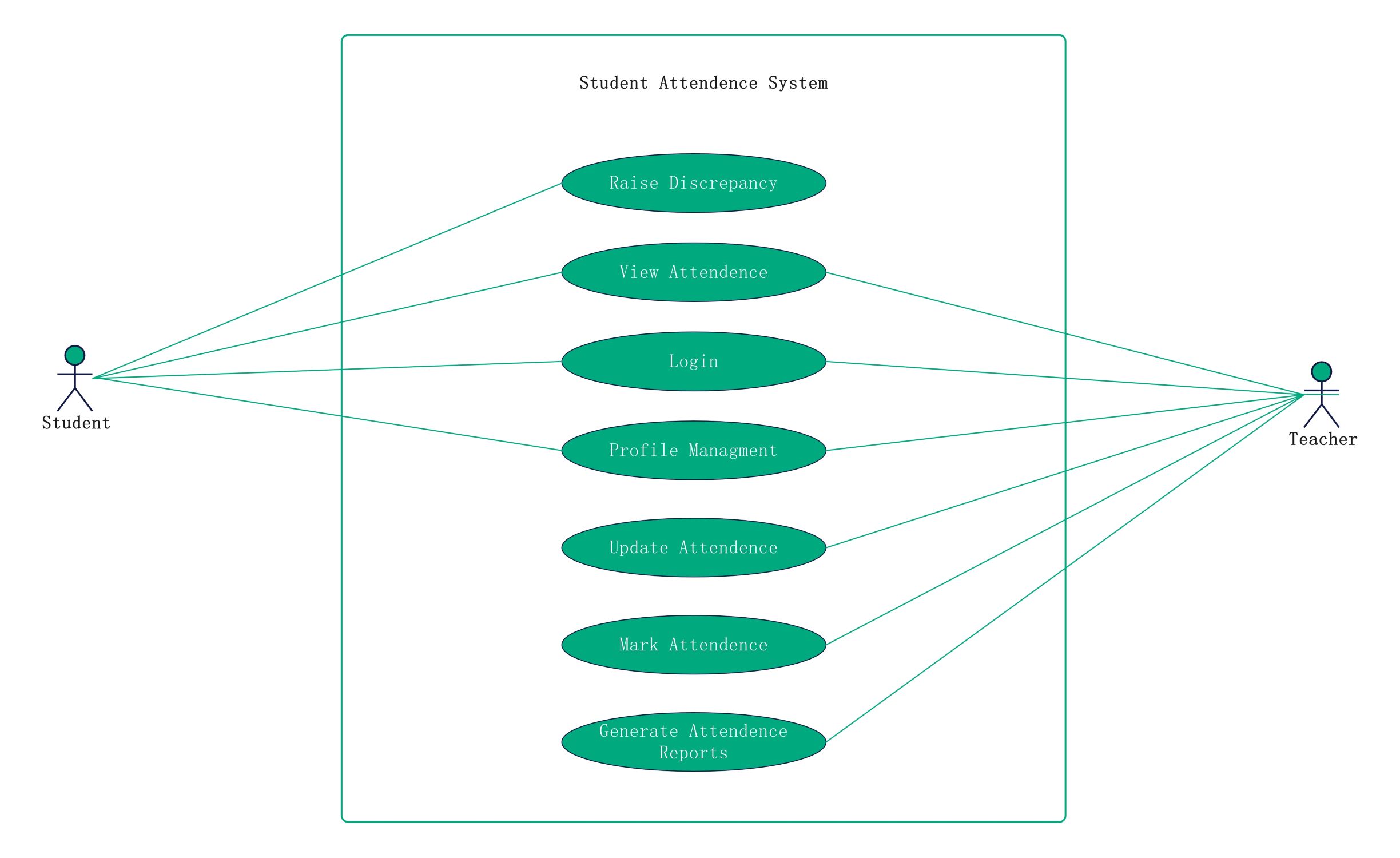
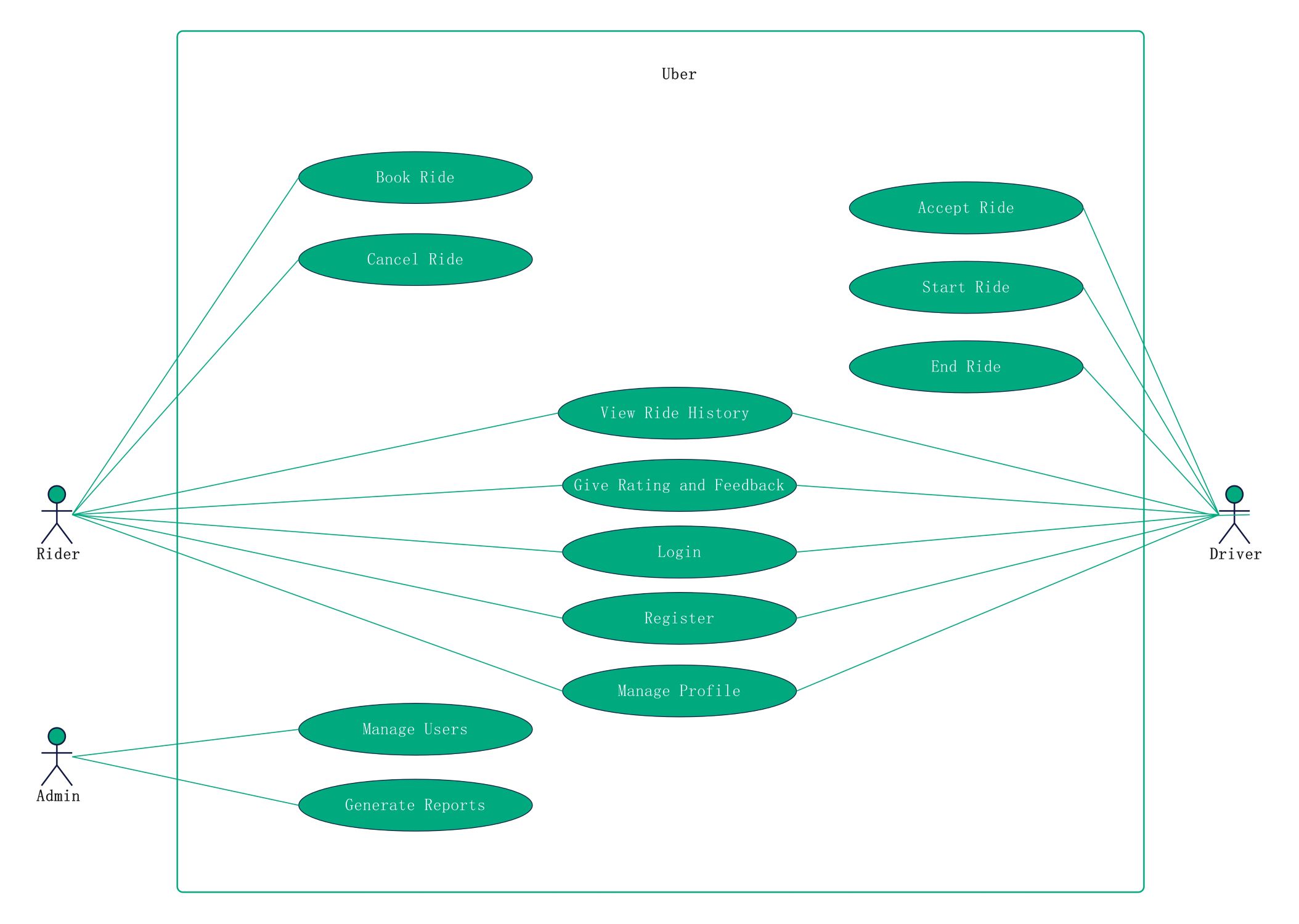
This template illustrates the functional requirements of a digital reservation platform. It defines the boundaries of the system and identifies the primary actors involved in the process. Use this diagram to bridge the gap between technical requirements and user-facing features during the design phase.
User Role Interactions
The User actor represents the customer base seeking to purchase tickets. They engage with the system to browse available options and manage their personal bookings. This section highlights the essential actions required for a standard buyer journey.
- Book Ticket
- View Booking History
- Search Ticket
- Cancel Booking
Transaction Processing
Transaction processing handles the critical logic for financial exchanges within the application. It acts as a shared component that executes whenever a booking or cancellation occurs. This ensures that every ticket transaction is finalized and recorded accurately.
- Process Payment
- Include relationship with Book Ticket
- Include relationship with Cancel Booking
Administrative Management
The Admin actor oversees the operational health of the ticketing system. Their focus is on backend management tasks that keep the service running smoothly. They ensure inventory is accurate and generate data insights to track business performance.
- Process Payment
- Generate Reports
- Manage Tickets
FAQs about this Template
-
What is a use case diagram for an online ticketing system?
A use case diagram for an online ticketing system is a visual representation of functional requirements. It identifies the actors involved, such as users and administrators, and their specific goals within the platform. By illustrating these relationships, it helps developers understand how the system should behave. It serves as a blueprint for designing software architecture and ensuring all user needs are met.
-
Why are include relationships used in this diagram?
Include relationships are used to show that one use case is mandatory for another to complete. In this diagram, processing a payment is included in both booking and canceling tickets. This means the system must handle the financial transaction to finish those tasks successfully. Using this relationship helps modularize the diagram and highlights essential steps that are shared across different user actions.
-
Who are the primary actors in a ticketing system diagram?
The primary actors are typically the User and the Administrator. The User represents the customer who searches for events and buys tickets. The Administrator is responsible for managing the inventory, generating reports, and overseeing the payment processing. Identifying these actors is crucial because it defines who interacts with the system and what specific permissions or functionalities they need to access during use.

 (AI & Web)