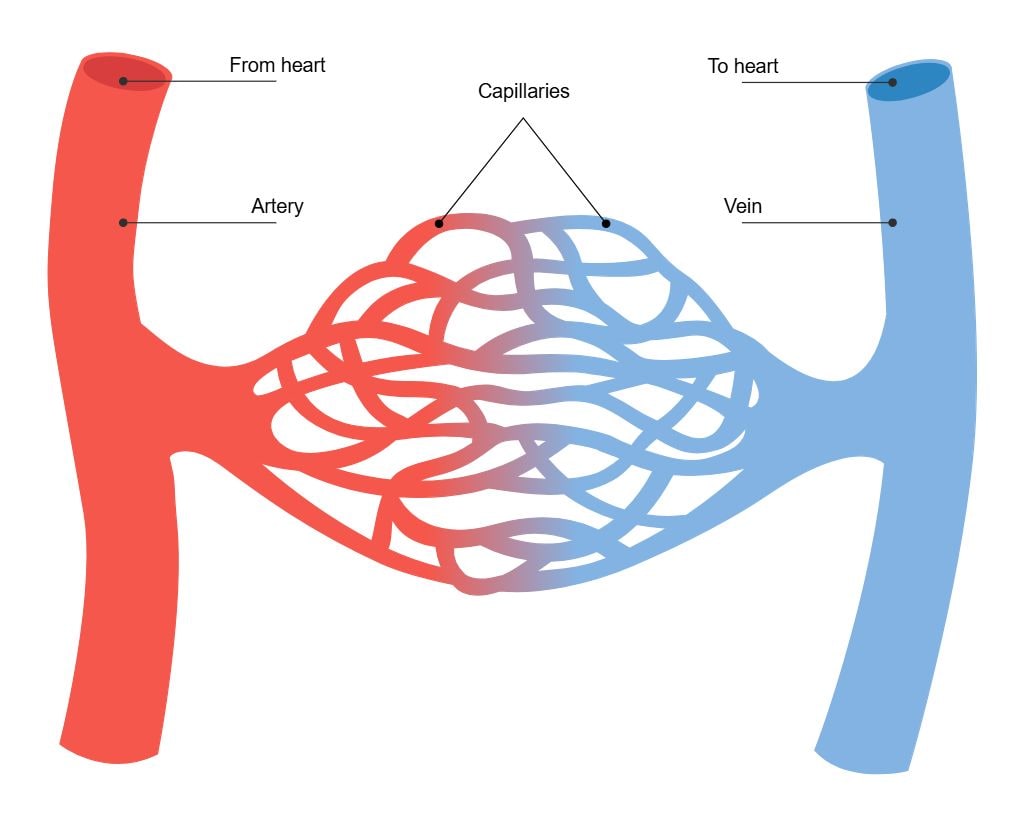
About Blood Vessels Diagram Template
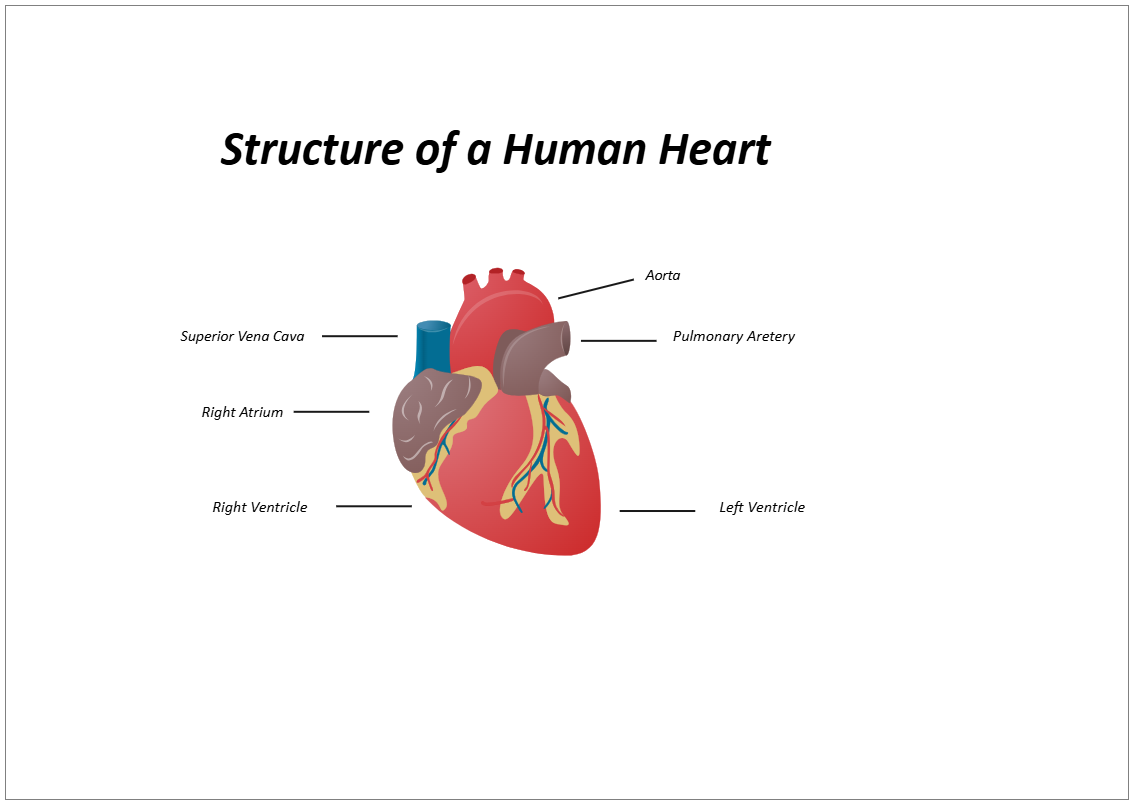
This blood vessels diagram template shows how vessel-related structures can be organized in one clear anatomical view. It helps users explain the topic more effectively than a plain text description by turning structure and relationship into something easier to study.
Major vessel groups
The diagram appears to highlight the major vessel-related parts that define the topic. This matters because anatomy learning often depends on seeing where the most important structures are and how they relate to each other in one visual reference.
- Helps explain the key structures of the vessel system
- Supports anatomy teaching and study review
- Useful for clearer biological explanation
How the vessel structures are organized
The visual arrangement also helps users review how the important parts are positioned or grouped rather than treating them as isolated labels. In anatomy diagrams, these relationships matter because structural understanding is often built through visual comparison.
- Shows how the parts are arranged in relation to one another
- Supports review of structure and organization
- Useful for understanding anatomy beyond single labels
Why the diagram helps anatomy study
Beyond the structures themselves, the diagram helps users communicate the topic in a format that is easier to teach, revise, or present. This is useful because anatomy concepts are often much clearer when the system is shown visually instead of only described verbally.
- Useful for anatomy study, teaching, and explanation
- Supports clearer educational communication
- Helps make the topic easier to remember and compare
FAQs about this Template
-
What is a blood vessels?
A blood vessels is a visual representation used to explain body structures, positions, and relationships more clearly. It helps students, teachers, and early medical learners study anatomy in a format that is easier to review than text alone.
-
What should a blood vessels include?
A blood vessels should include the key labeled structures, their relative positions, and the most important groupings needed to understand the topic. In some cases, it may also include directional orientation, nearby structures, or functional notes.
-
How do you study anatomy with a blood vessels?
You can study anatomy with a blood vessels by reviewing labels, comparing structure positions, and using repeated recall to connect names with functions and locations. Diagrams work best when combined with explanation, memorization practice, and visual comparison.
-
Why is a blood vessels important?
A blood vessels is important because anatomy is much easier to understand when structure is shown visually. A clear diagram helps learners see relationships, avoid confusion between similar parts, and build stronger memory for exams or explanation.



 (AI & Web)