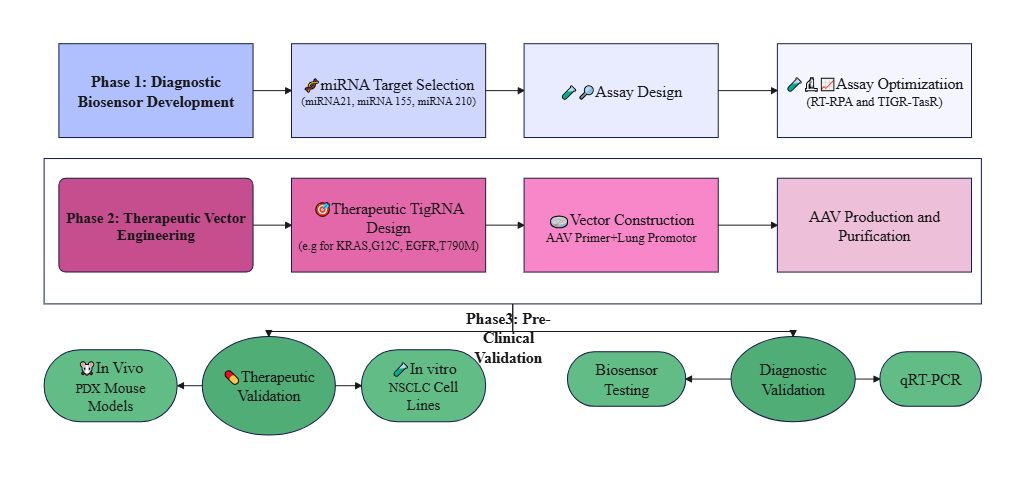
About Cancer Diagnostic Biosensor Development Workflow Template
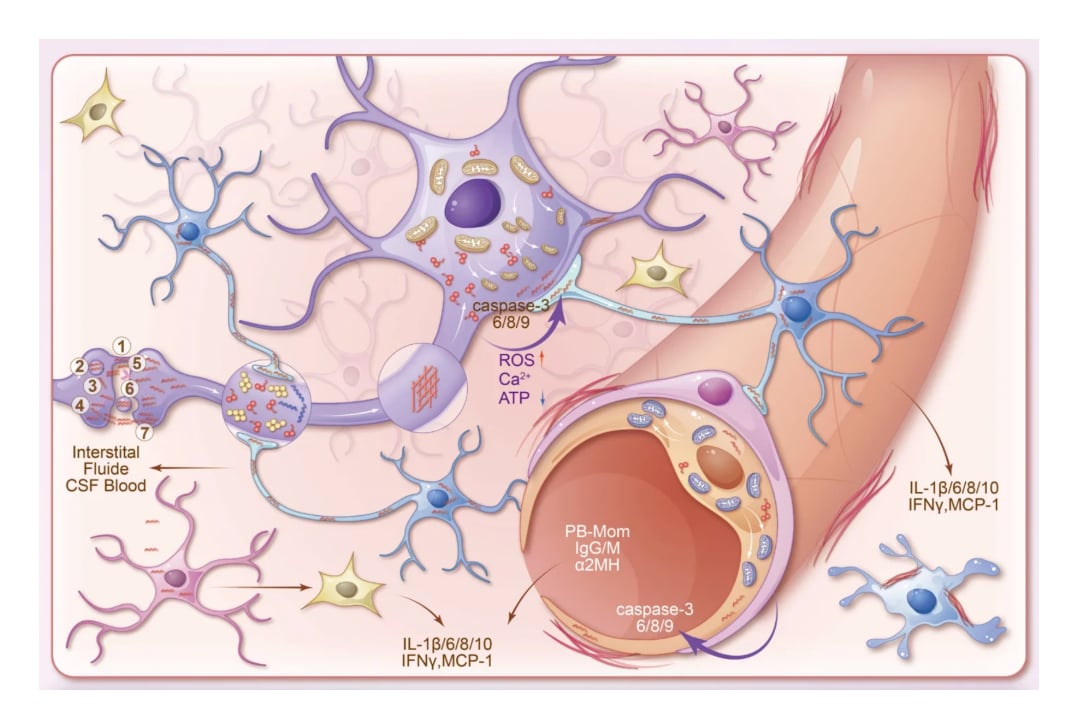
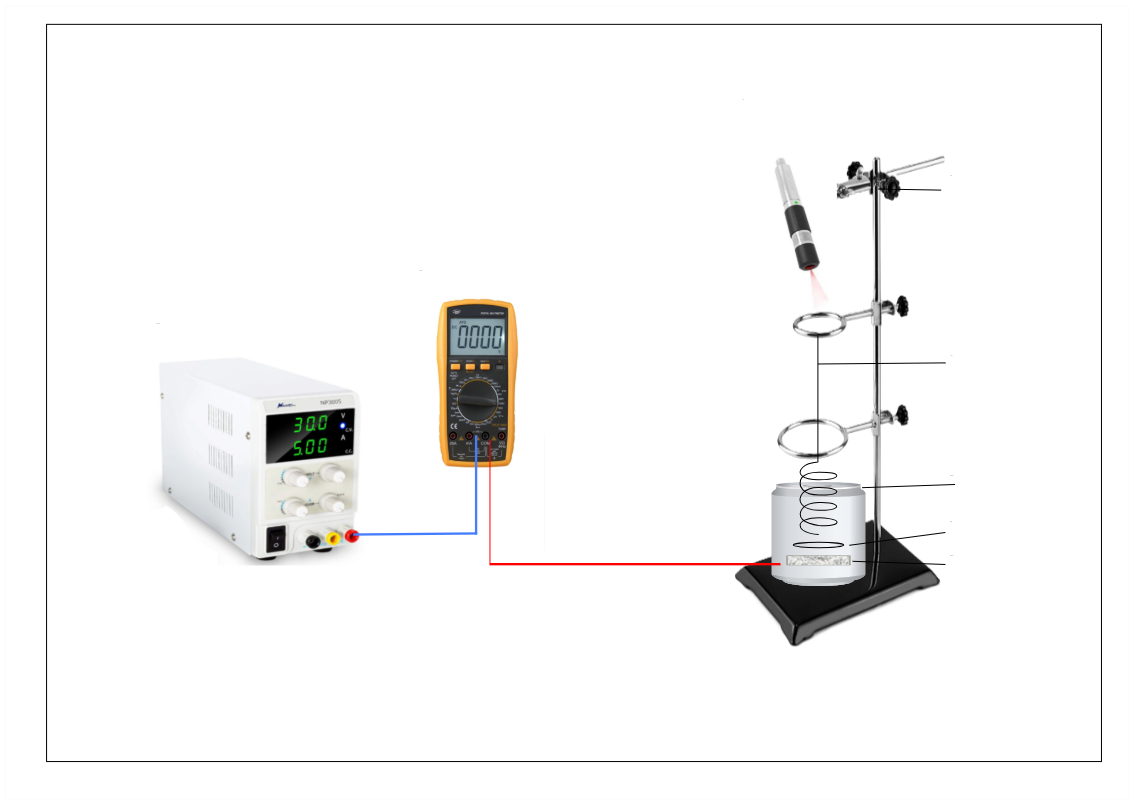
This biosensor development workflow template shows how a scientific development process may be organized into visible stages, testing relationships, and sequence logic. It helps users explain how the workflow progresses rather than presenting the topic as one abstract research label.
Research and development stages
The workflow appears to divide the topic into a series of scientific or technical stages, which is important because development processes are usually understood through sequence rather than isolated concepts. This makes the structure easier to review and explain.
- Helps explain the major stages of the workflow
- Supports scientific teaching and process communication
- Useful for technical review and presentation
Testing and validation logic
The visual arrangement also appears to show how testing or validation relates to the wider process. This matters because biosensor development is usually judged not only by design steps, but by how evidence and evaluation connect across the workflow.
- Shows how testing may connect to the wider development process
- Supports review of scientific validation logic
- Useful for explaining workflow reliability more clearly
Sequence and process communication
Beyond the individual stages, the workflow helps users communicate the overall progression of the development path. This is useful because scientific workflows often need to be reused as structured references for explanation, planning, or collaboration.
- Useful for process explanation and scientific communication
- Supports clearer sequence review across the workflow
- Helps turn complex development logic into a reusable diagram
FAQs about this Template
-
What is a cancer diagnostic biosensor development workflow?
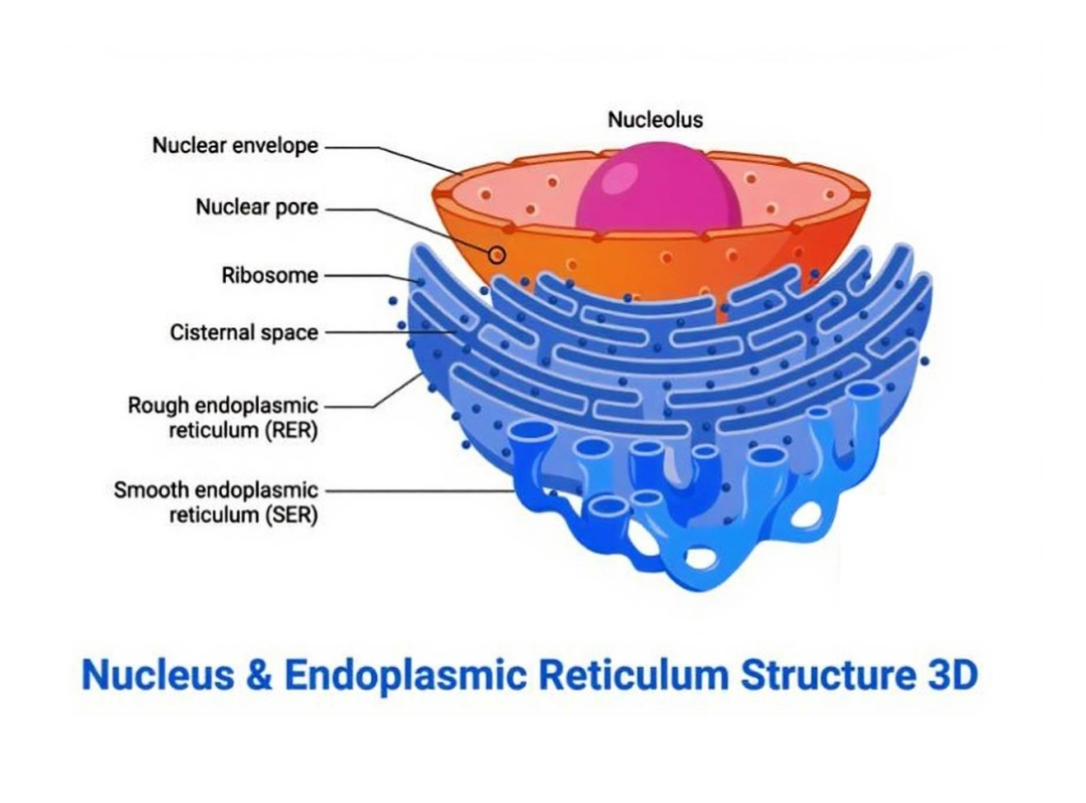
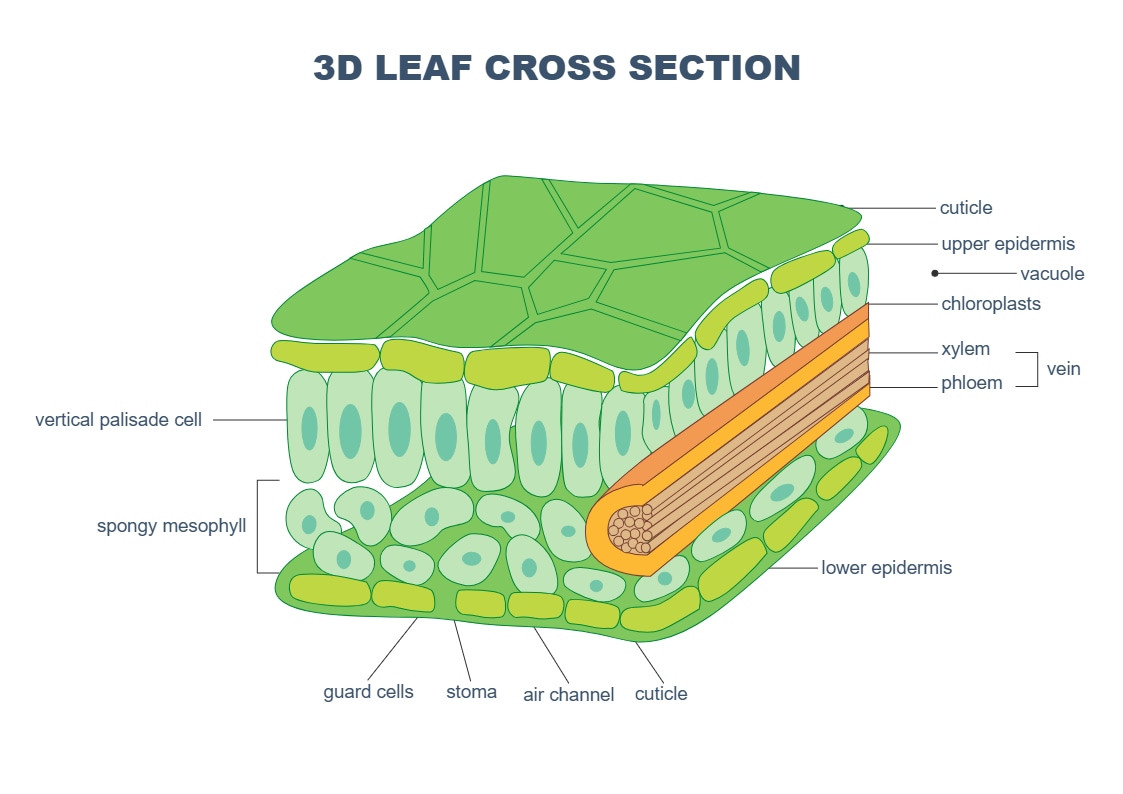
A cancer diagnostic biosensor development workflow is a scientific or medical visual used to explain structures, pathways, or relationships that may be difficult to follow in text alone. It helps learners or presenters understand how important parts connect inside a system or process.
-
What should a cancer diagnostic biosensor development workflow include?
A cancer diagnostic biosensor development workflow should include the main structures, stages, pathways, or relationships that define the topic. The best scientific diagrams focus on accurate labeling, logical grouping, and a layout that makes the subject easier to understand.
-
How do you create a cancer diagnostic biosensor development workflow?
To create a cancer diagnostic biosensor development workflow, identify the main components or stages first, arrange them in a logical scientific order, and label the relationships clearly. The goal should be clarity and understanding, not decorative complexity or unnecessary visual noise.
-
Why is a cancer diagnostic biosensor development workflow important?
A cancer diagnostic biosensor development workflow is important because complex scientific topics are often easier to understand visually than through text alone. A clear diagram supports teaching, review, research discussion, and more accurate explanation across technical settings.

 (AI & Web)