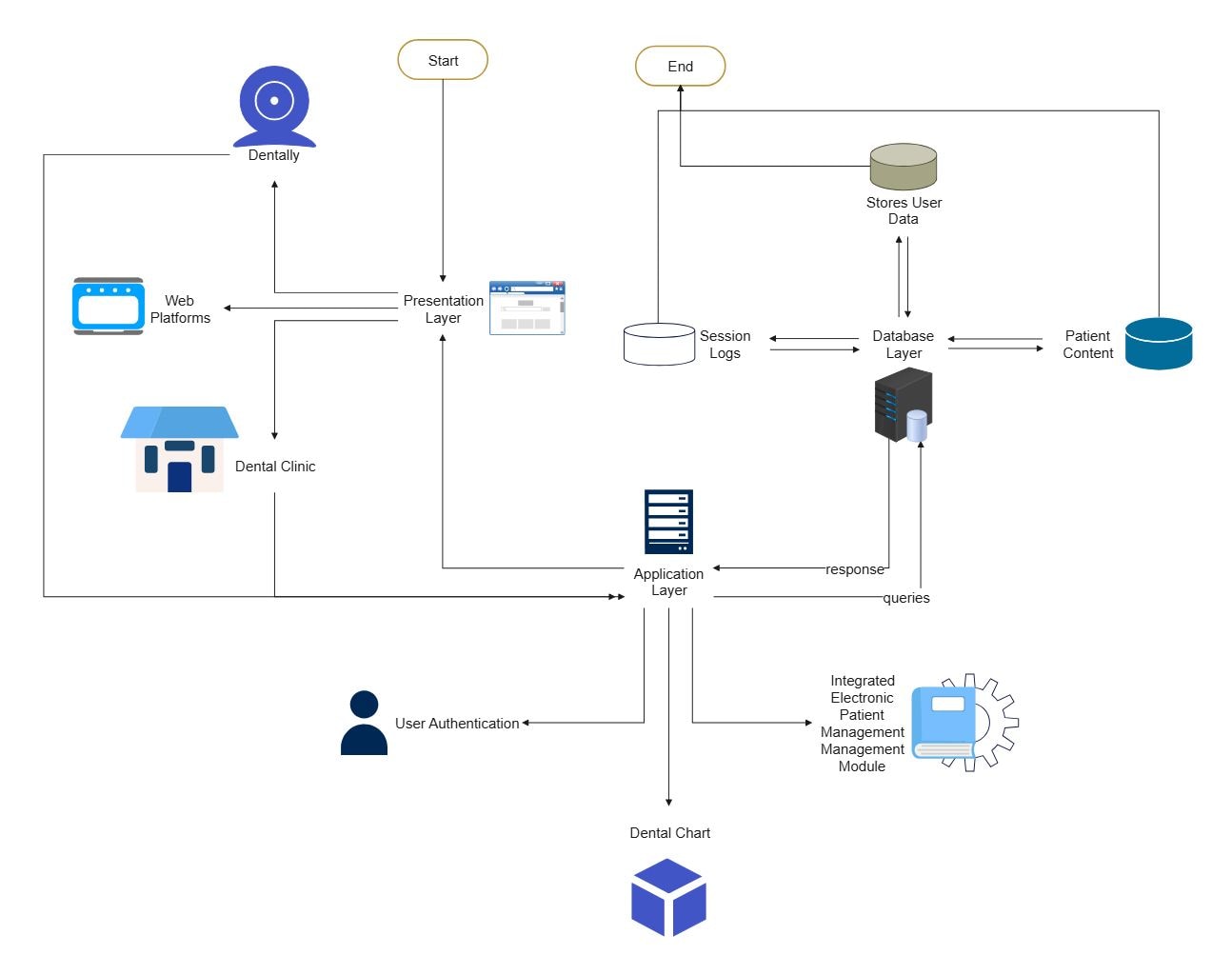
About this Dental Clinic Information System Architecture
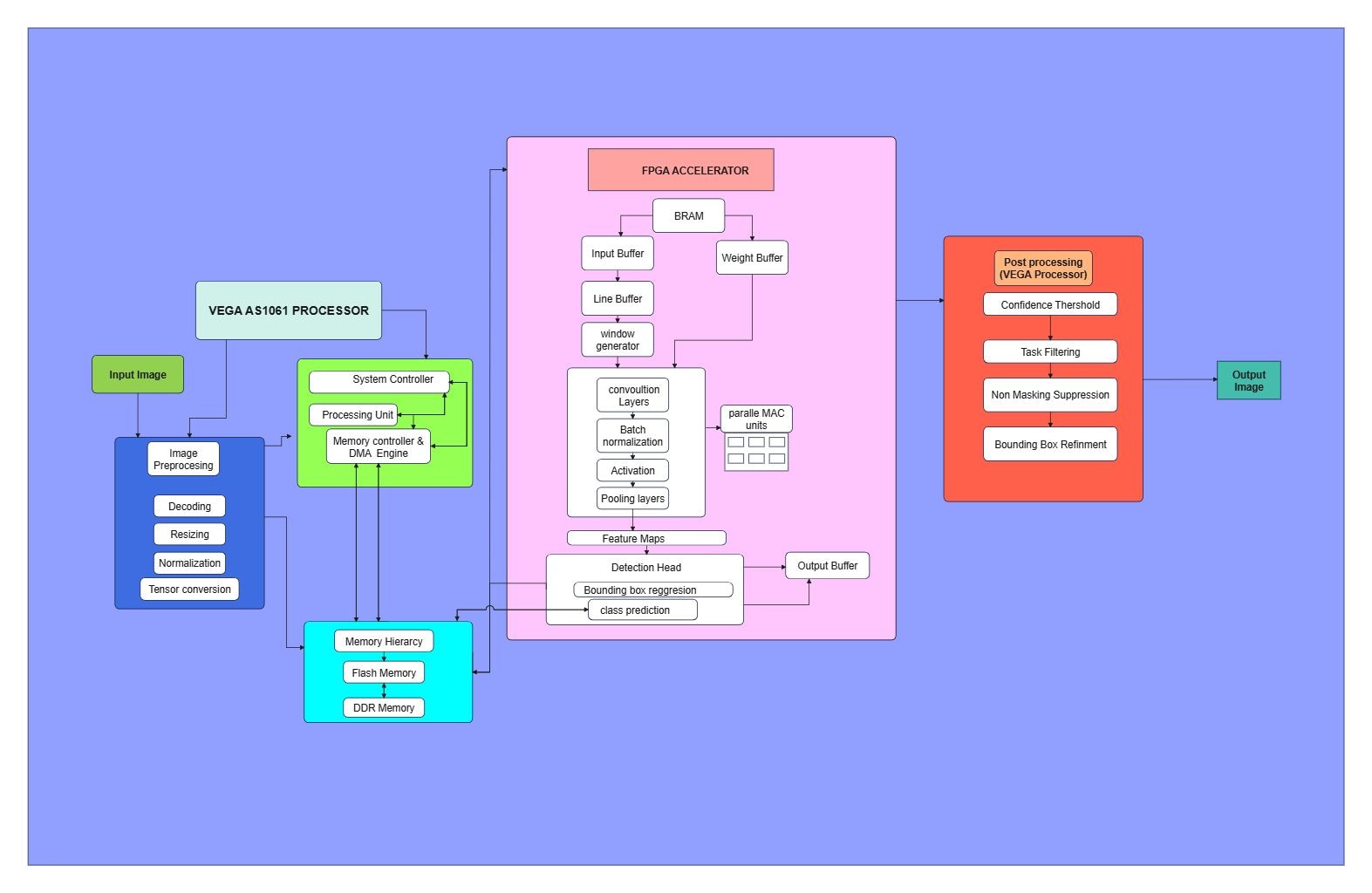
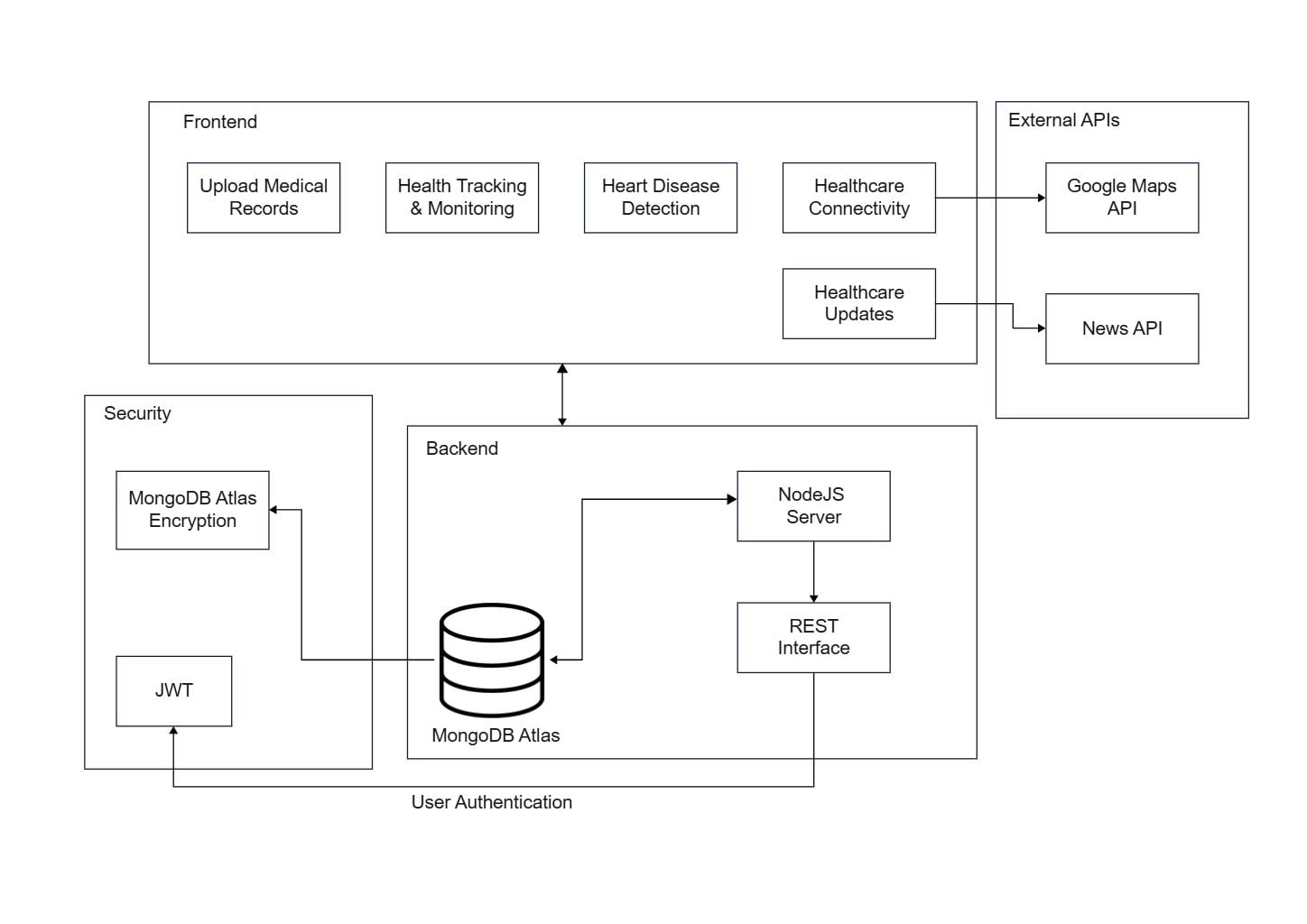
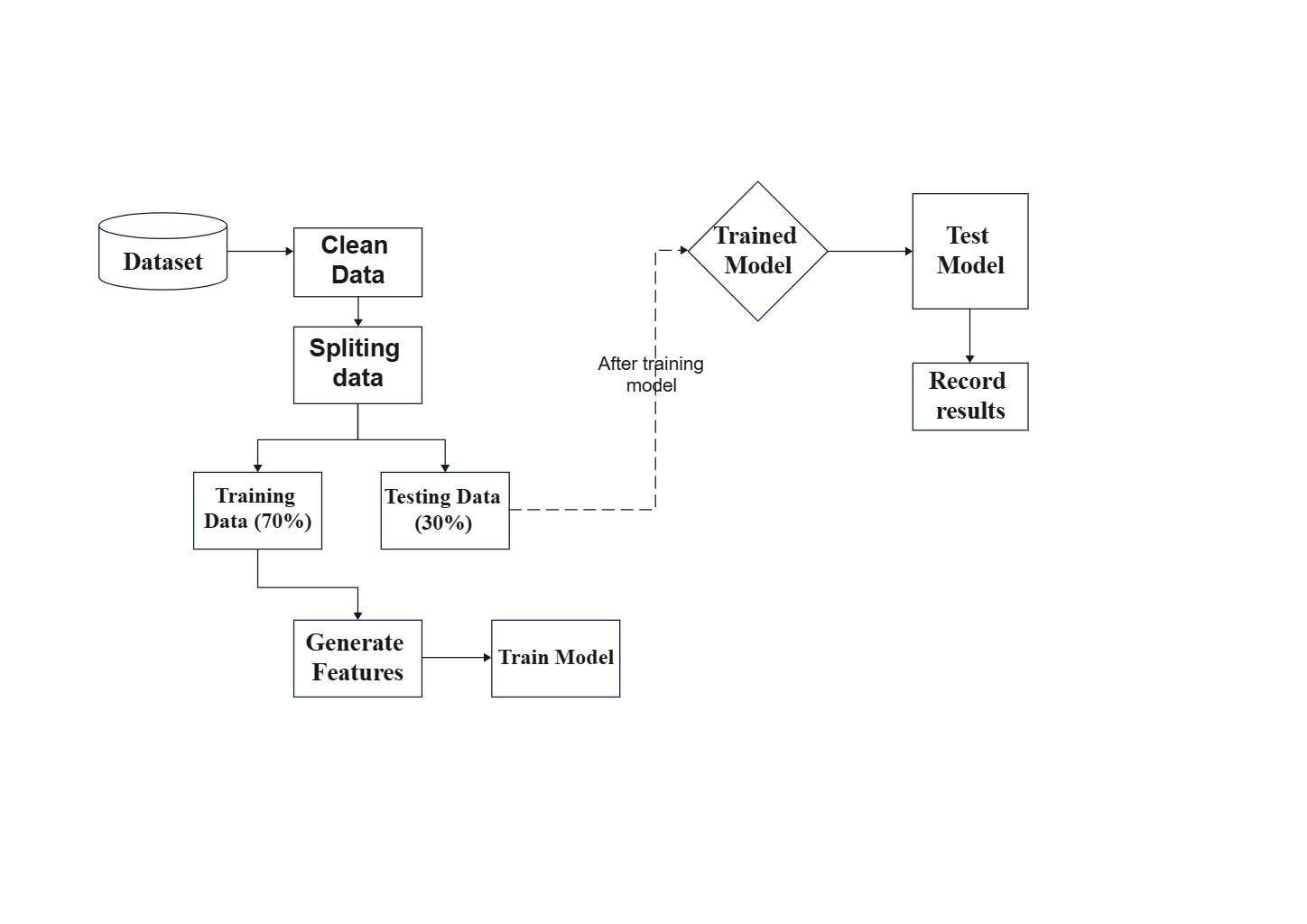
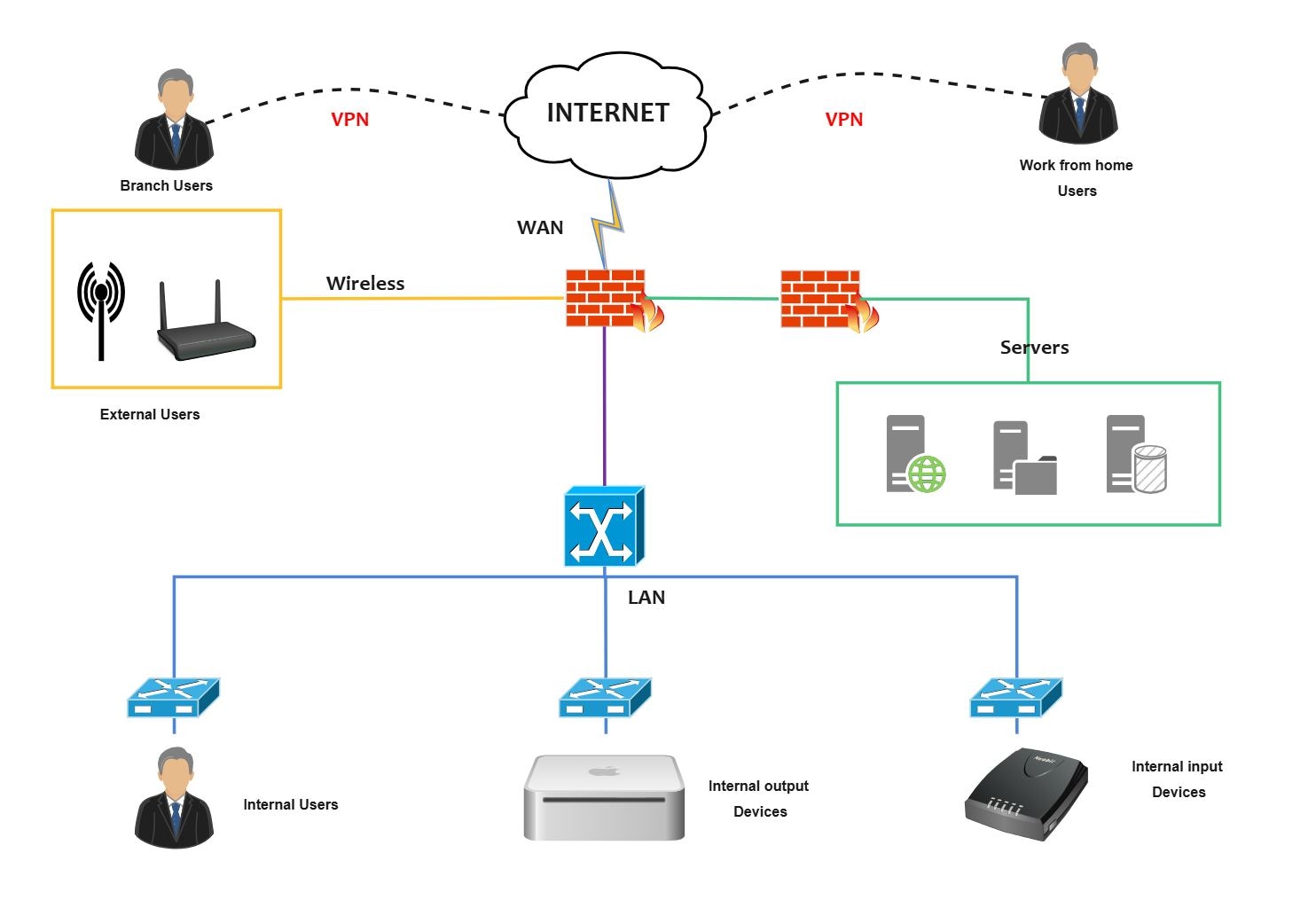
This diagram shows dental clinic information system architecture template in a clearer structure, so the main layers or modules are easier to explain.
Presentation Layer
The Presentation Layer section is one visible block in the diagram. Its placement helps explain how this part fits into the overall architecture without collapsing the layout into a single undifferentiated system view.
- Presentation Layer
Application Layer
The Application Layer section is one visible block in the diagram. Its placement helps explain how this part fits into the overall architecture without collapsing the layout into a single undifferentiated system view.
- Application Layer
Database Layer
The Database Layer section is one visible block in the diagram. Its placement helps explain how this part fits into the overall architecture without collapsing the layout into a single undifferentiated system view.
- Database Layer
FAQs about this Template
-
How do teams document Dental Clinic Information data architecture?
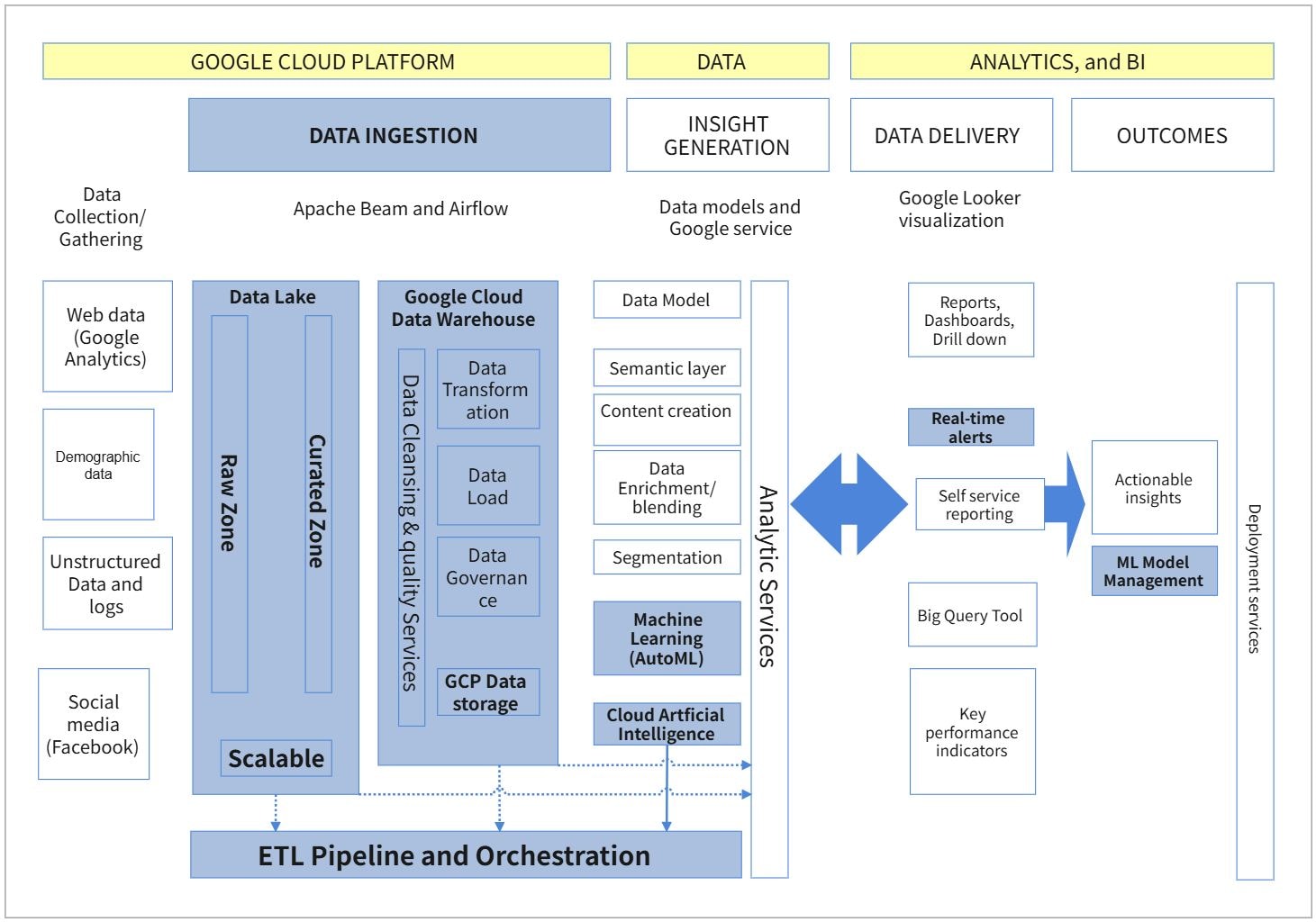
Teams usually document Dental Clinic Information data architecture with a diagram that separates ingestion, processing, storage, access, and control layers. This makes it easier to review how information moves through the platform, where data is transformed, and how analytics, governance, reporting, compliance, or downstream systems depend on the same structure.
-
What is the difference between data architecture and application architecture?
Data architecture focuses on how information is collected, processed, stored, secured, and consumed, while application architecture describes the broader software structure around it. Data diagrams are more useful when teams need to explain pipelines, databases, warehouses, analytics layers, governance controls, compliance checkpoints, audit visibility, or the movement of records between systems.
-
What should a Dental Clinic Information data architecture diagram include?
A strong Dental Clinic Information data architecture diagram should include the main data sources, processing flow, storage layers, and access or reporting points. It should also show where governance, security, integration, transformation, quality checks, or lineage steps connect, so readers can understand the lifecycle of data from entry to operational or analytical use.
-
Can AI generate Dental Clinic Information data architecture diagrams automatically?
Yes, AI can generate a draft data architecture diagram, but it still needs technical validation. AI can help suggest pipeline stages and system groupings, while engineers should confirm the real data sources, processing order, ownership boundaries, storage design, compliance controls, and support assumptions before using the diagram for planning or review.
-
Which diagram type is best for documenting data pipelines?
A data architecture diagram is usually the best starting point for documenting data pipelines because it shows sources, transformation stages, storage, and consumption paths in one view. Teams may add flowcharts or sequence diagrams later when they need more detail for pipeline execution order, failure handling, alerting, operational troubleshooting, or support ownership.

 (AI & Web)