About this Application Architecture Diagram
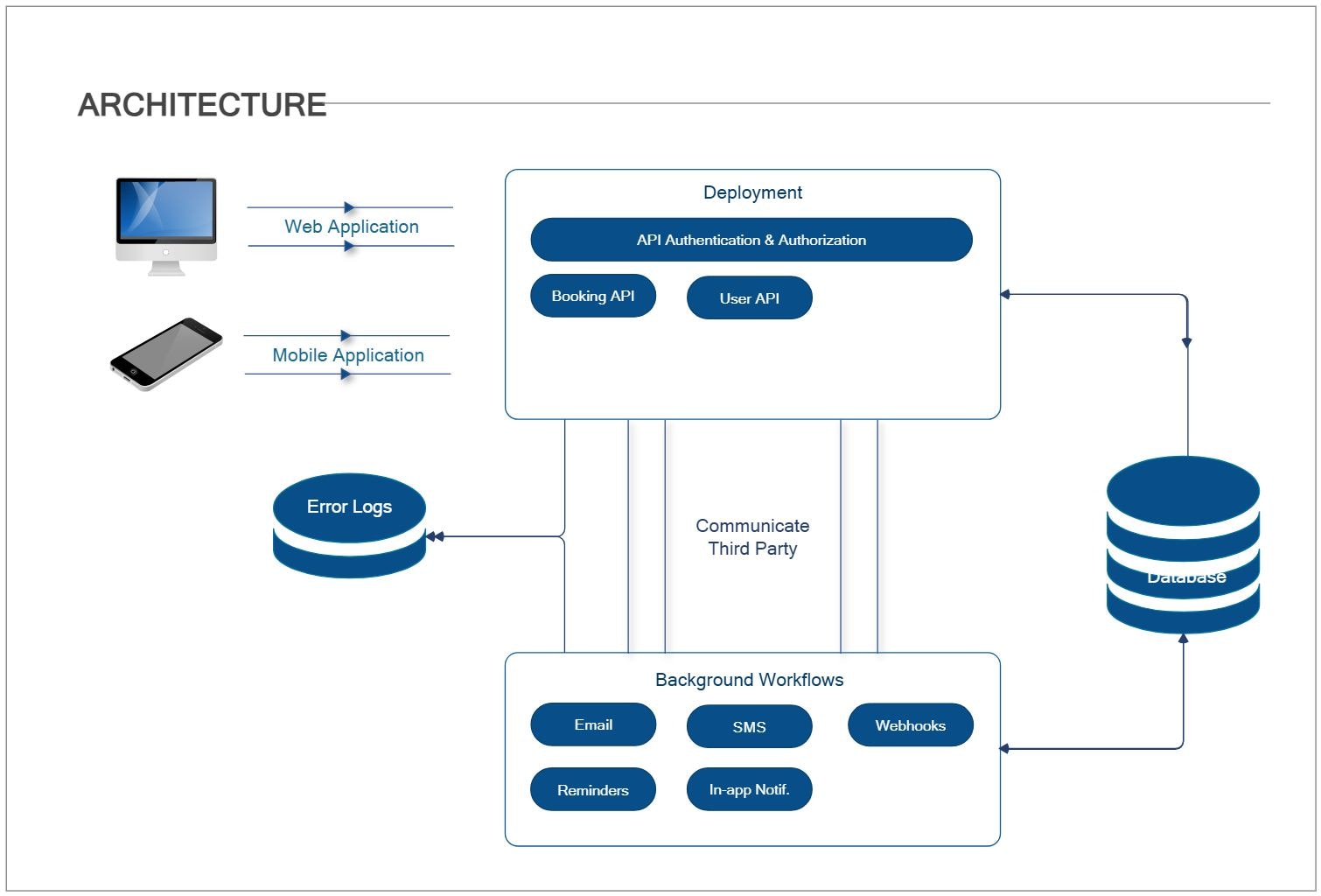
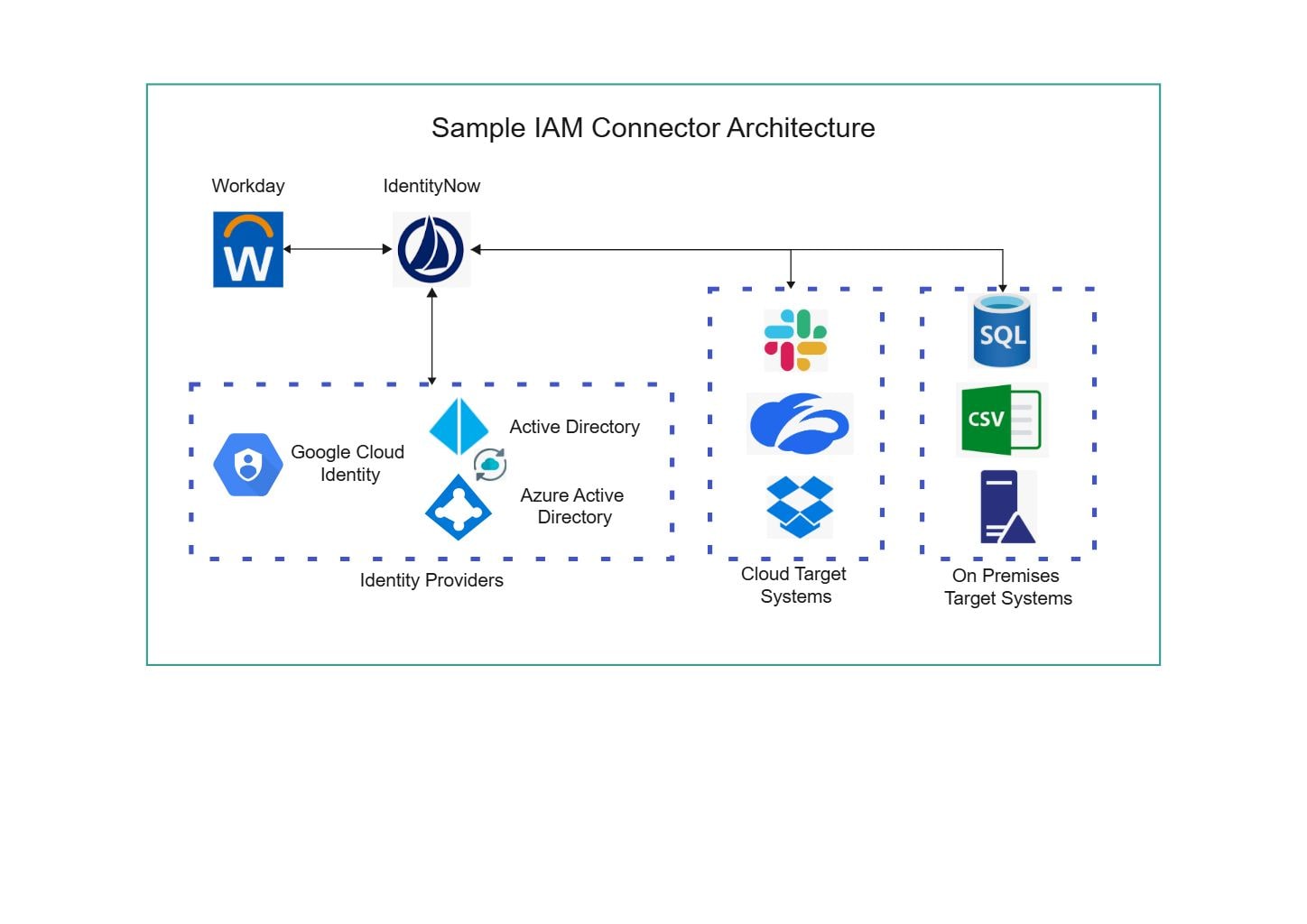
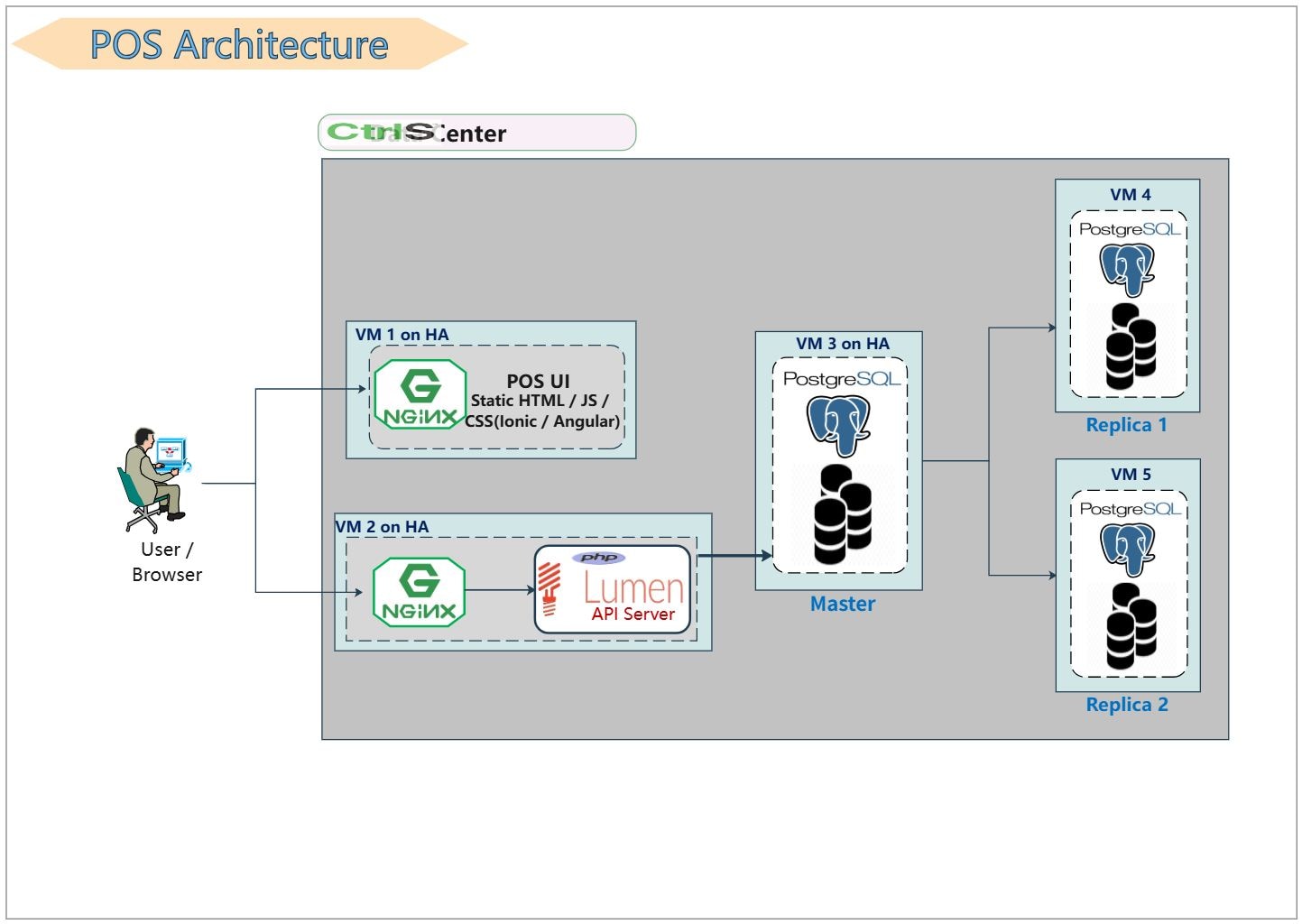
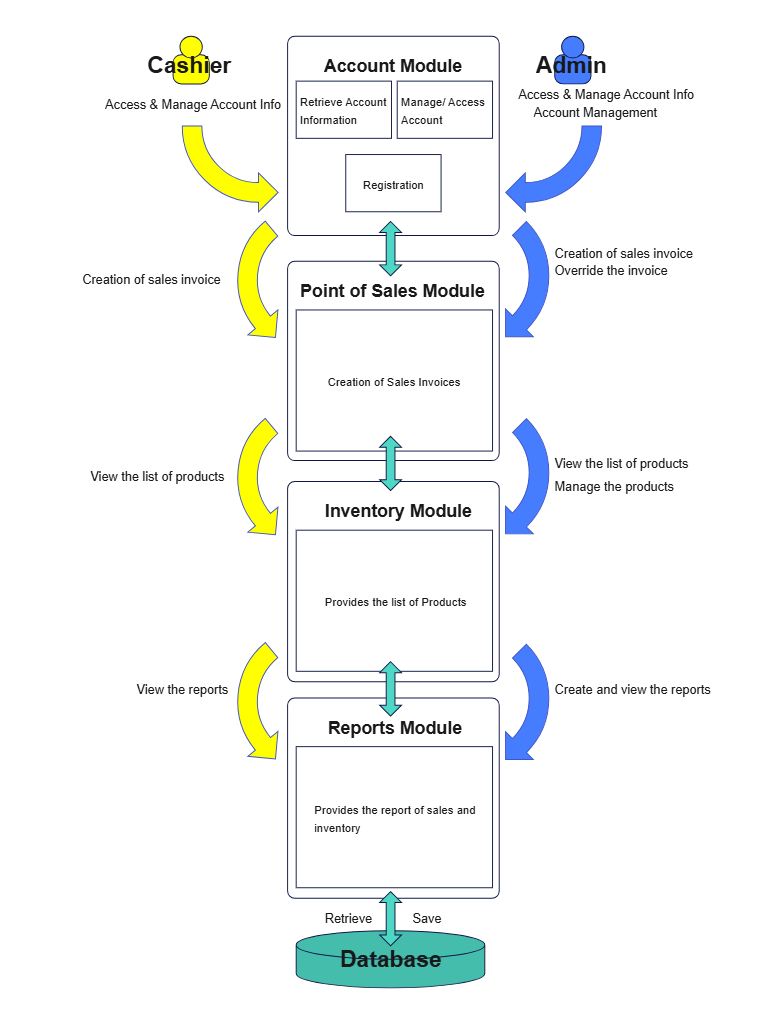
This diagram shows application architecture diagram in a clearer structure, so the main layers or modules are easier to explain.
Client Applications
The Client Applications section marks one visible part of the architecture. In this diagram, it includes Web Application, Mobile Application, so the section reads as a specific functional block rather than a generic label.
- Web Application
- Mobile Application
Authentication and APIs
The Authentication and APIs section marks one visible part of the architecture. In this diagram, it includes Identity Authentication, API Authentication & Authorization, Booking API, User API, so the section reads as a specific functional block rather than a generic label.
- Identity Authentication
- API Authentication & Authorization
- Booking API
- User API
Workflows and Notifications
The Workflows and Notifications section marks one visible part of the architecture. In this diagram, it includes Background Workflows, Reminders, Email, SMS, so the section reads as a specific functional block rather than a generic label.
- Background Workflows
- Reminders
- SMS
- In-app Notif.
- Webhooks
External Services and Data
The External Services and Data section marks one visible part of the architecture. In this diagram, it includes Communicate Third Party, Database, Error Logs, Deployment, so the section reads as a specific functional block rather than a generic label.
- Communicate Third Party
- Database
- Error Logs
- Deployment
FAQs about this Template
-
How do teams document web application architecture?
Teams usually document web application architecture with a diagram that separates user access, application logic, data handling, and supporting infrastructure. This makes it easier to explain how requests move through the platform, where services interact, and how the main responsibilities are divided across sections such as Client Applications, Authentication and APIs, and Workflows and Notifications.
-
What is the difference between web application architecture and system architecture?
Web application architecture focuses on the structure behind a browser-based or portal-style application, while system architecture can describe a broader technical environment. Web application diagrams are especially useful when teams need to explain front-end entry points, back-end services, APIs, storage, session flow, and the request path behind a live user-facing platform.
-
What should a web application architecture diagram include?
A strong web application architecture diagram should include user entry points, application services, data storage, and the main request flow. It should also show where authentication, APIs, caching, integrations, infrastructure controls, or monitoring connect, so the design can be reviewed for scalability, maintainability, and user-facing reliability. This also makes technical review, stakeholder communication, and future changes easier to manage.
-
Can AI generate web application architecture diagrams automatically?
Yes, AI can generate a draft web application architecture diagram, but it should still be reviewed by engineers. AI can help organize common layers and interactions, while the team should validate the real APIs, service boundaries, security logic, hosting model, data movement, and support assumptions before using the diagram for design review or implementation planning.
-
Which diagram type is best for documenting web portal systems?
An architecture diagram is usually the best first choice for documenting web portal systems because it shows the full relationship between users, application layers, services, and storage in one place. Teams can add sequence, deployment, or integration views later when they need more detail for troubleshooting, onboarding, release planning, or support alignment.

 (AI & Web)