About Building Evacuation Diagram Template
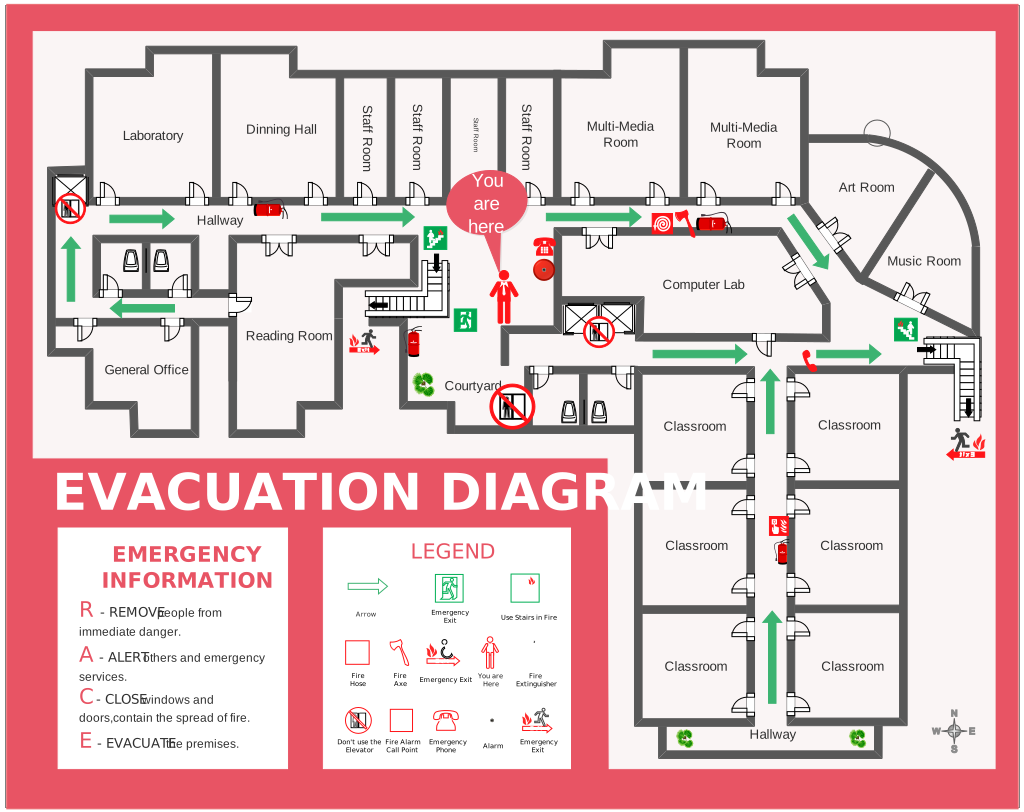
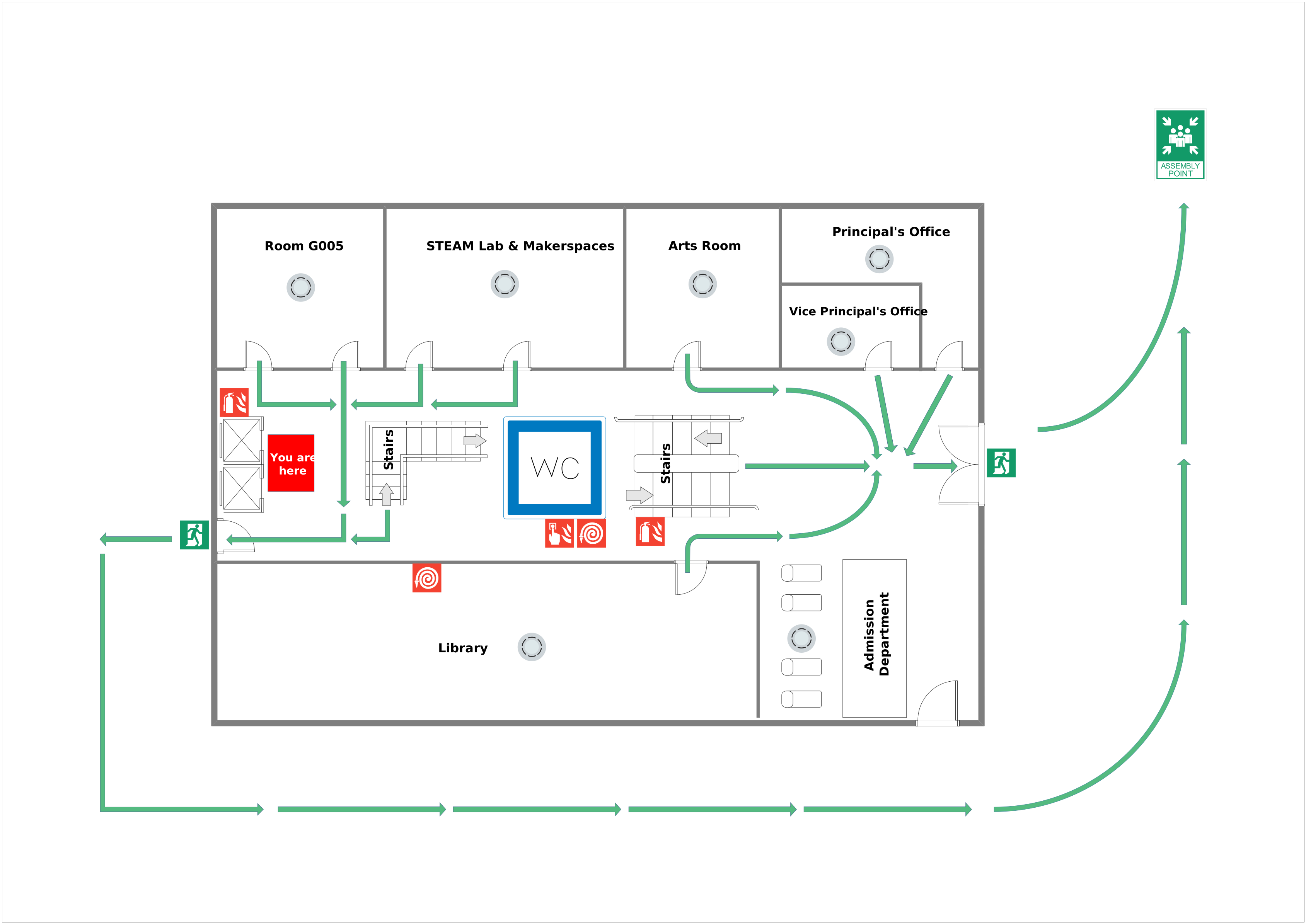
This building evacuation diagram maps how people move from everyday spaces to exits, covering areas such as Staff Room, Multi-Media Room, and Dining Hall and markers like You are here, Emergency Exit, and Use Stairs in Fire. It works well for route review, wall posting, drills, and site-specific safety communication.
Key rooms and starting points
This building evacuation diagram works best when the route is tied to familiar living areas. Labels such as Staff Room, Multi-Media Room, Dining Hall, Laboratory, and Art Room show where residents start and which path they should follow to leave the home quickly.
- Staff Room
- Multi-Media Room
- Dining Hall
- Laboratory
- Art Room
- Hallway
- Music Room
- Computer Lab
Exit markers and safety equipment
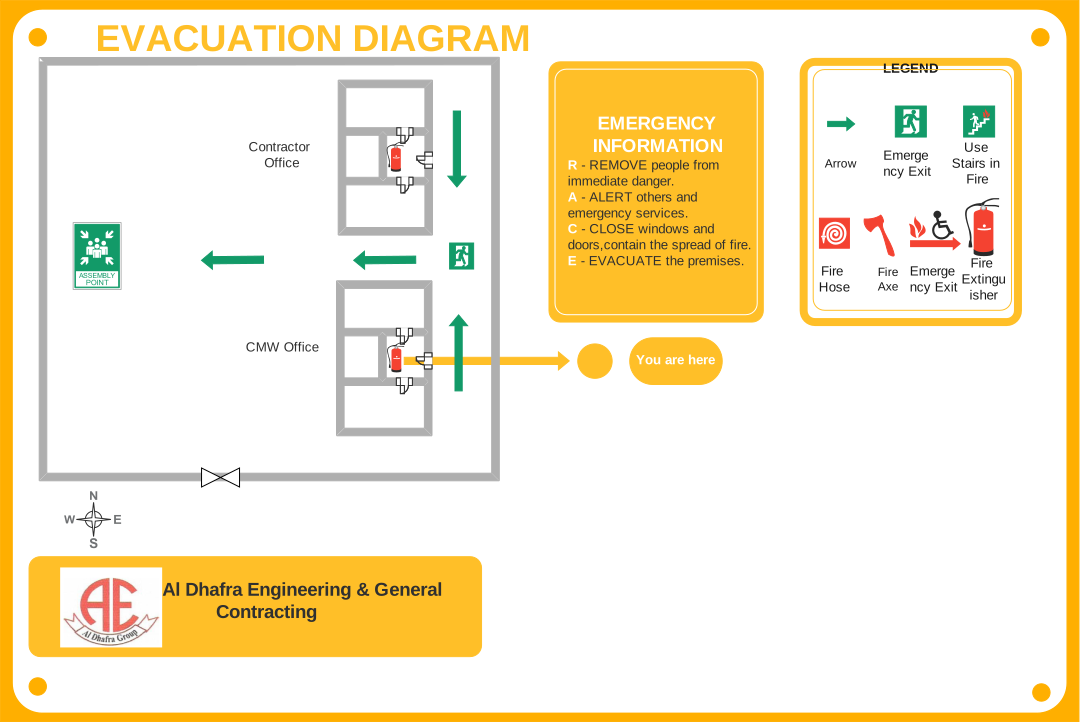
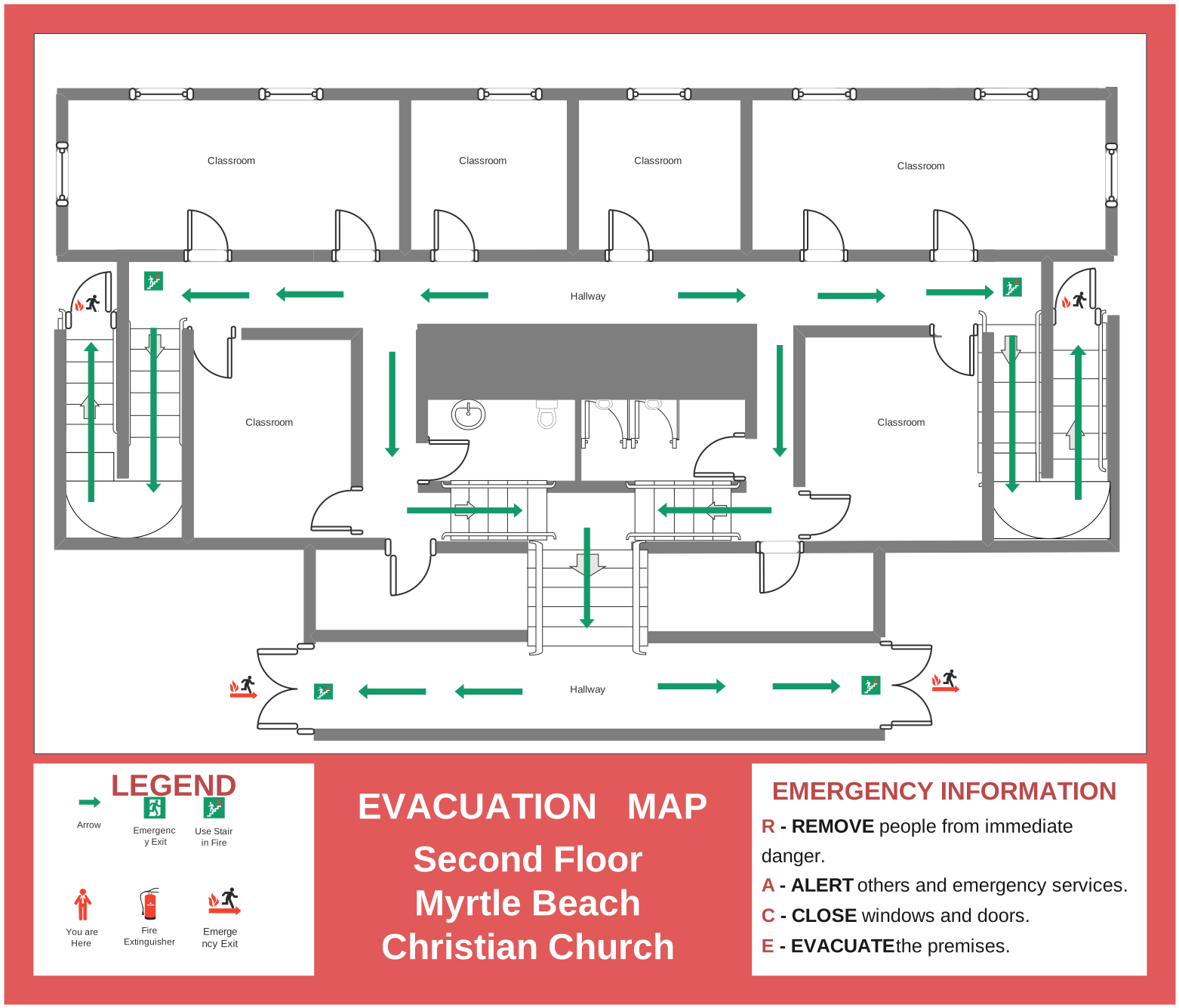
For a residential route plan, the symbols should stay simple and immediately readable. Markers such as You are here, Emergency Exit, Use Stairs in Fire, Fire Hose, and Fire Axe help residents or guests understand the route without second-guessing where to turn.
- You are here
- Emergency Exit
- Use Stairs in Fire
- Fire Hose
- Fire Axe
- Fire Extinguisher
- Fire Alarm Call Point
How the route is meant to be followed
The route only works if people can understand it from the rooms they actually use every day. A residential plan should make bedroom-to-hallway movement, shared living access, and the final exit path feel obvious even for someone who is not looking at the map for long.
FAQs about this Template
-
What should people identify first on this Building Evacuation Diagram Template?
They should identify their current position, the nearest safe exit, and whether the route changes for different rooms or zones. When labels such as Staff Room, Multi-Media Room, and Dining Hall are visible, the plan becomes easier to follow under pressure because readers can anchor themselves before moving.
-
Why is a labeled floor layout more useful than a generic evacuation diagram in this home or residential floor?
A labeled residential plan is more useful because people think in terms of bedrooms, shared rooms, and daily living space rather than abstract route blocks. Connecting the path to familiar rooms reduces hesitation and makes the map easier for residents or guests to follow quickly.
-
What safety symbols or notes should be checked before posting this building evacuation diagram?
Check that the exit icons, directional arrows, equipment markers, and assembly-point notes still match the site as used today. If the plan includes items like You are here, Emergency Exit, and Use Stairs in Fire, every symbol should be legible, current, and placed where readers would expect to find it in the real building.
-
What makes this kind of building evacuation diagram easier to follow during drills or emergencies?
It becomes easier to follow when the route starts from recognizable living spaces and moves through a simple sequence of turns, halls, and exits. The more naturally the path matches how people already understand the home, the more useful the plan becomes under stress.




 (AI & Web)