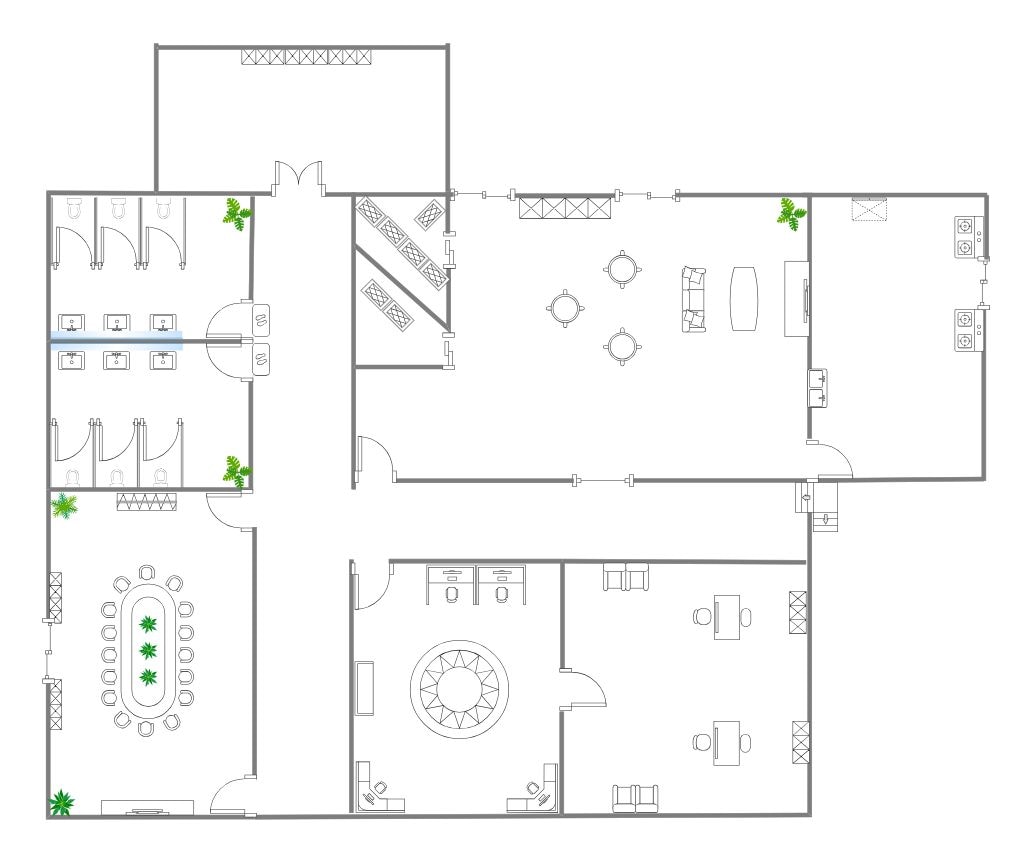
About Commercial Floor Plan Template
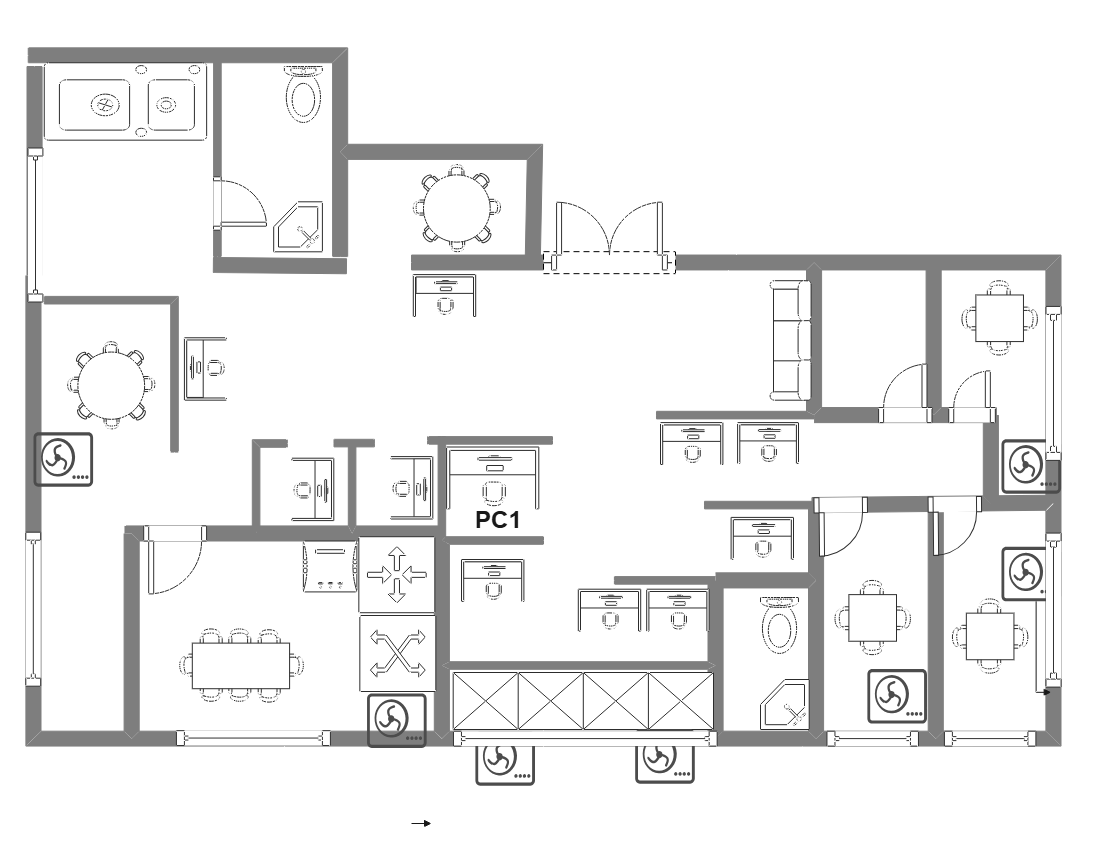
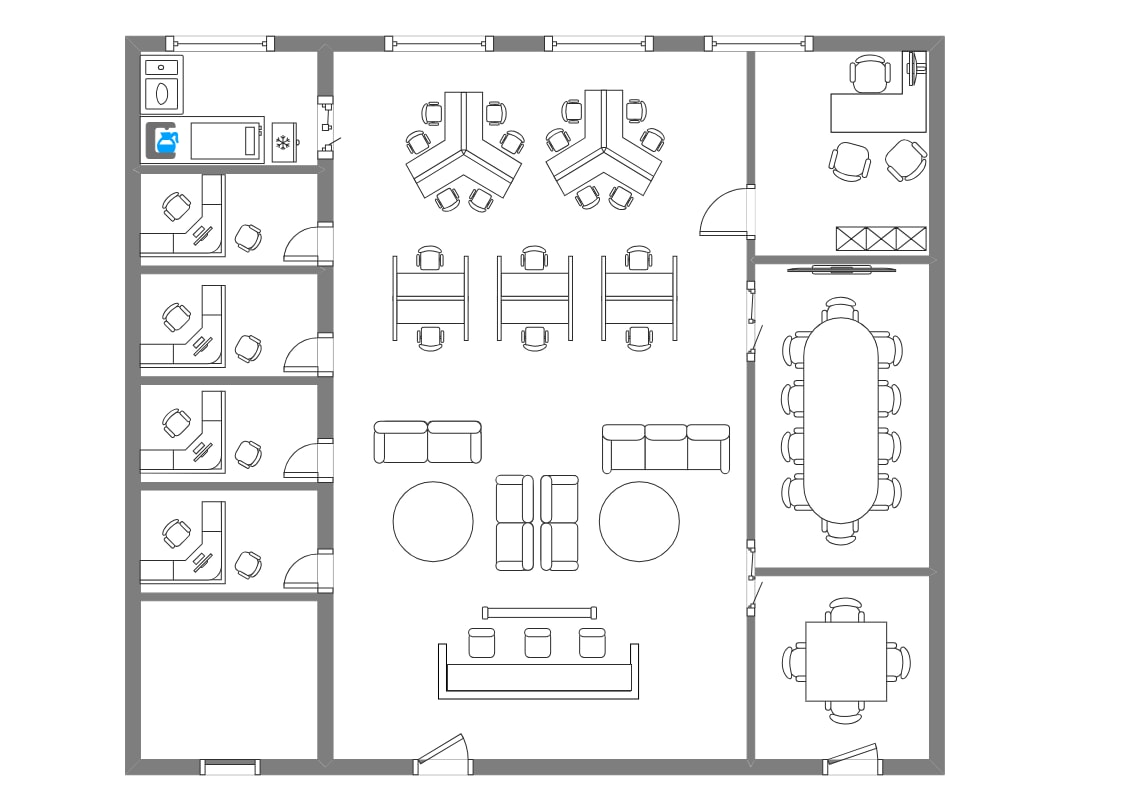
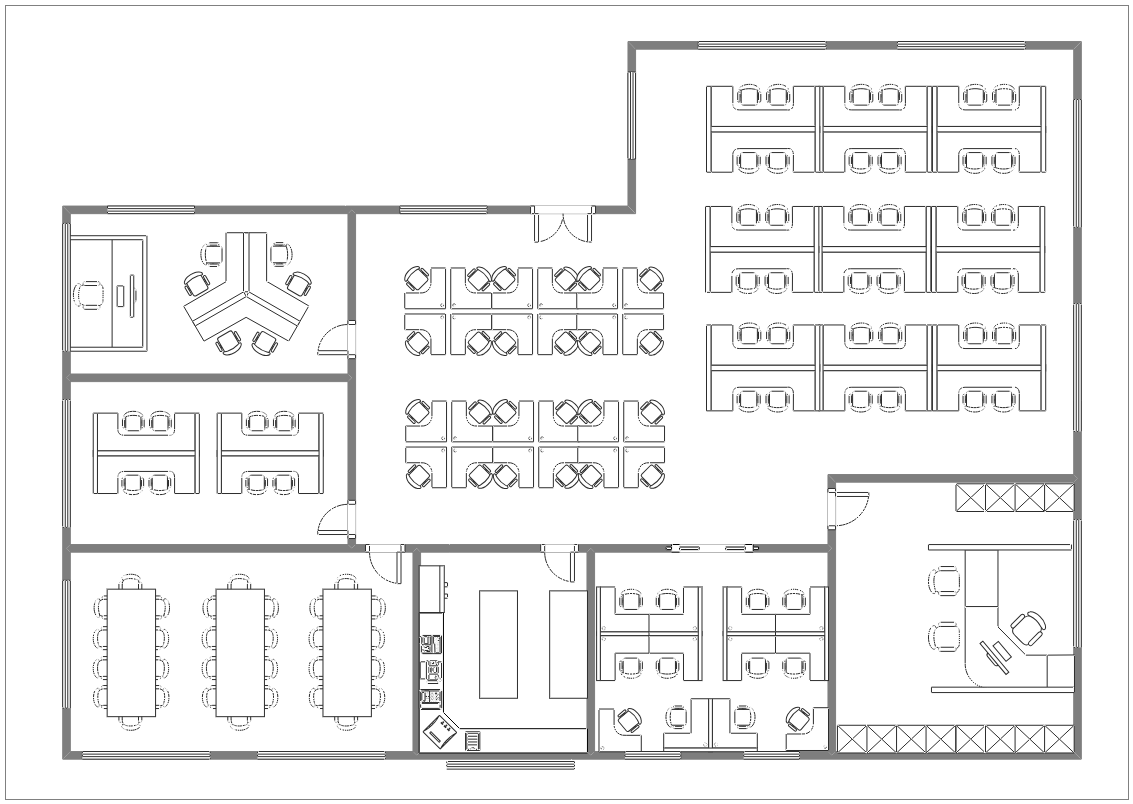
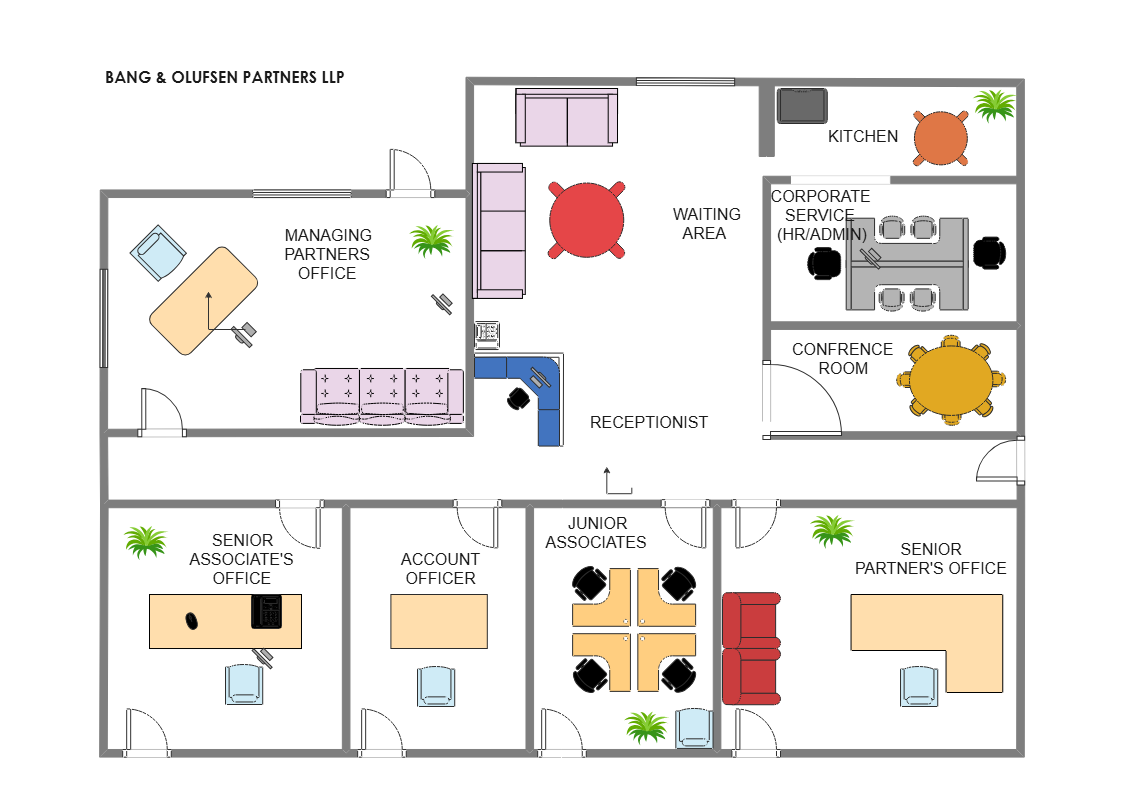
This commercial floor plan template shows how a business space can be organized through major operating zones, enclosed areas, and circulation paths. It helps users explain how the space may function for customers, staff, and practical operations instead of treating the plan as a generic room diagram.
Business zones and room grouping
The layout appears to divide the commercial site into several usable sections rather than one open undifferentiated floor. This is important in commercial planning because room grouping often shapes service efficiency, privacy, and how different activities are separated inside the business space.
- Helps explain the main business-use sections
- Supports review of room grouping and zoning
- Useful for comparing layout efficiency
Customer or staff circulation
The plan also appears to make movement routes easier to understand, which is essential in a commercial environment. Looking at circulation helps users judge whether people can move between the main areas clearly and whether the space supports practical daily operation.
- Shows how movement may work across the site
- Helps review access between major zones
- Supports discussion of usability and flow
Operational layout value
Beyond room placement, the floor plan helps users discuss how the overall commercial environment may support real use. In practice, this means reviewing whether the arrangement feels suitable for presentation, customer service, business workflow, or future redesign.
- Useful for renovation or layout presentation
- Supports planning around operational needs
- Helps turn room placement into functional discussion
FAQs about this Template
-
What is a commercial space floor plan?
A commercial space floor plan is a visual layout that shows how business areas such as service zones, customer space, storage, circulation, and support functions are arranged inside a commercial property. It helps owners and planners evaluate use, flow, and operational efficiency.
-
What should a commercial space floor plan include?
A commercial space floor plan should include the main customer-facing zones, work areas, access routes, support spaces, and any layout elements that affect movement or business operations. Depending on the setting, it may also show counters, storage, waiting areas, or service points.
-
Why is a commercial floor plan important?
A commercial floor plan is important because it affects how customers move, how staff work, and how efficiently the space supports business goals. A strong layout improves usability, visibility, and operations, while a poor one can create waste, bottlenecks, or awkward customer experience.
-
What is the difference between a commercial floor plan and a residential floor plan?
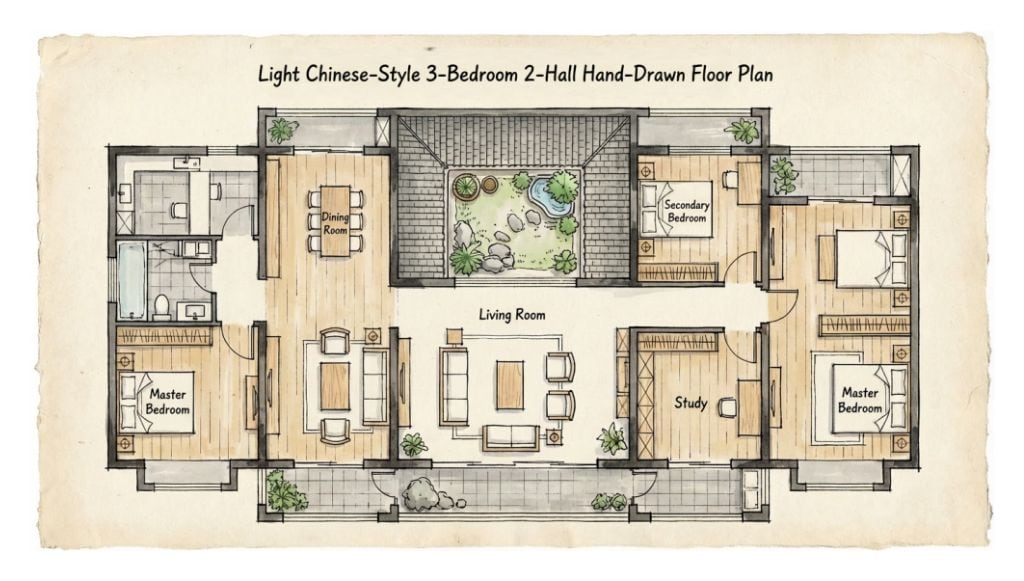
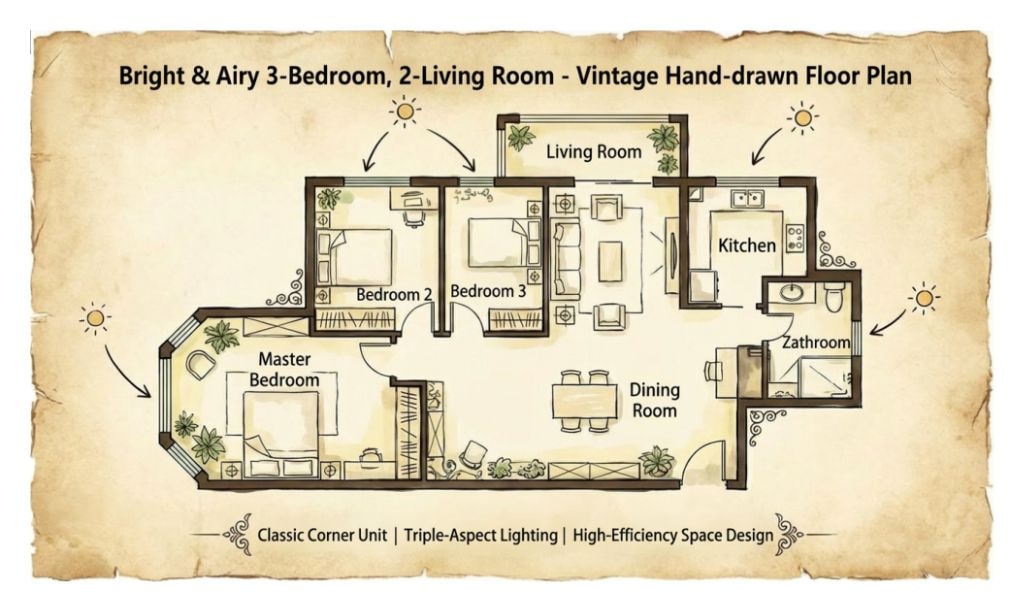
A commercial floor plan is usually designed around business operations, customer movement, compliance needs, and service efficiency, while a residential floor plan focuses more on comfort, privacy, and daily home living. The two share layout logic, but their priorities are very different.


 (AI & Web)