About Fire Evacuation Map Template
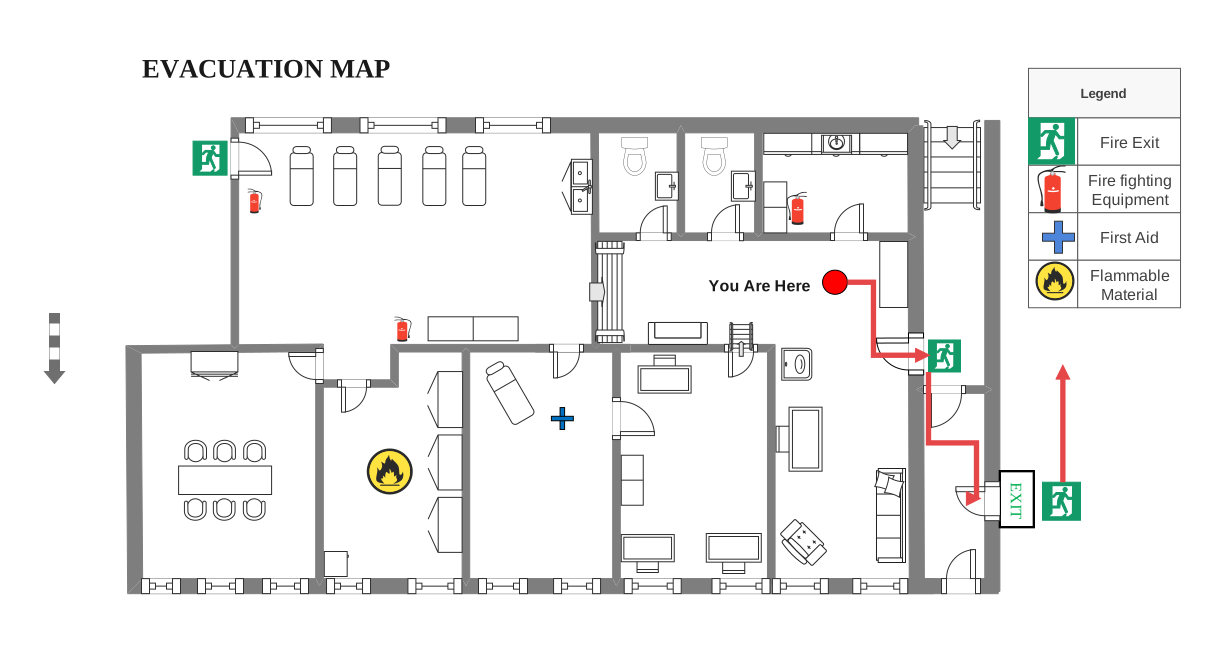
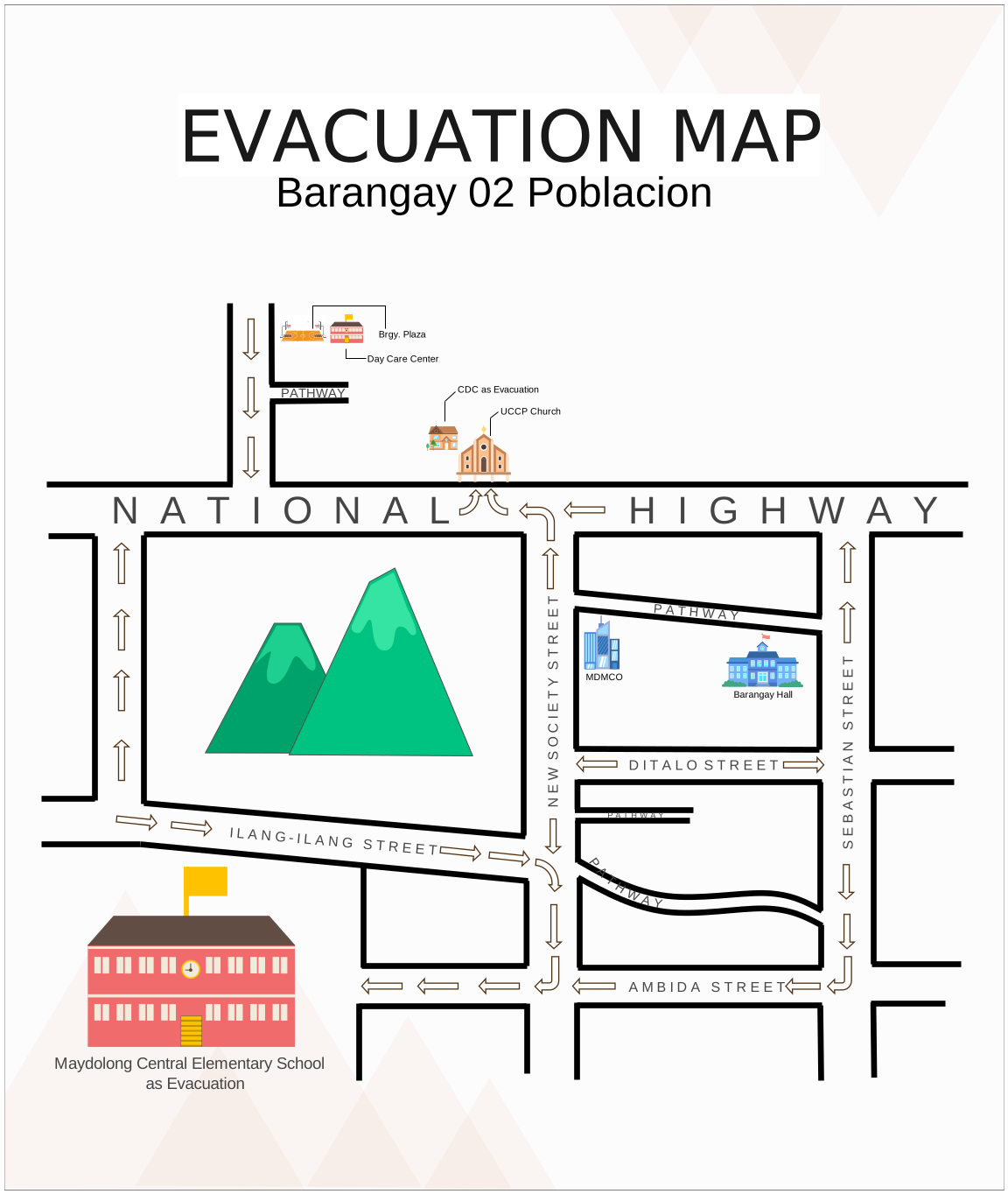
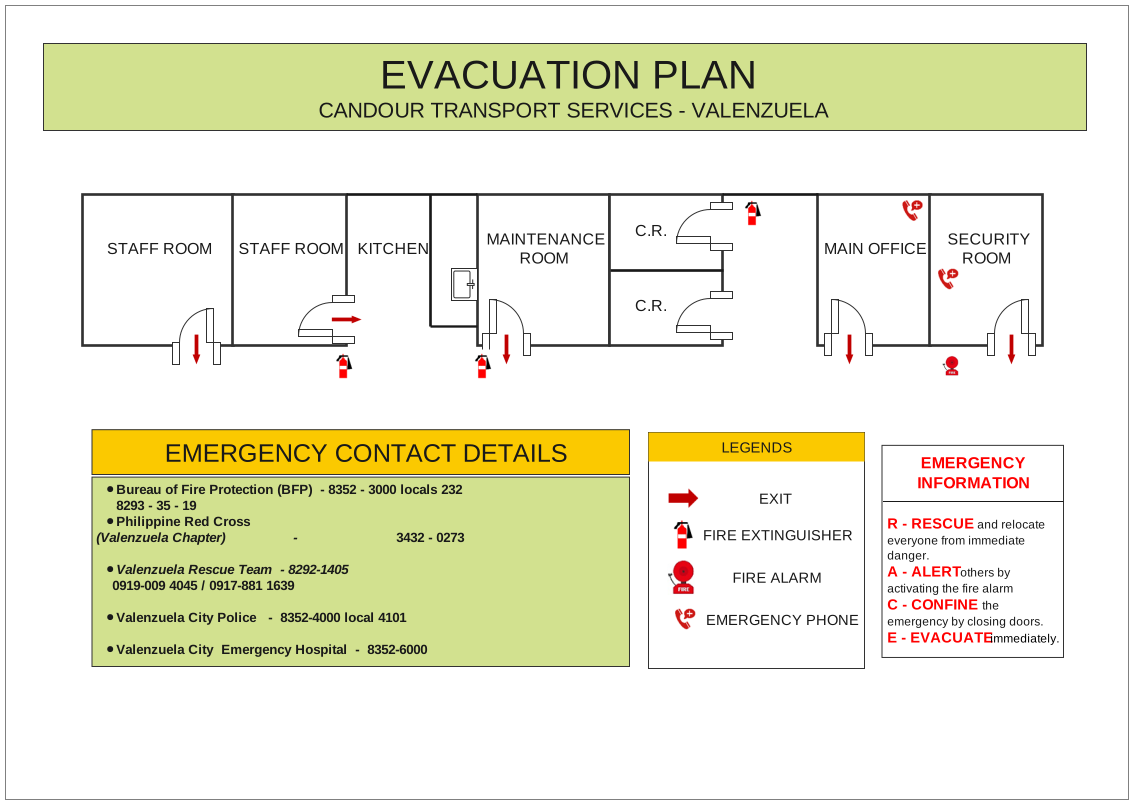
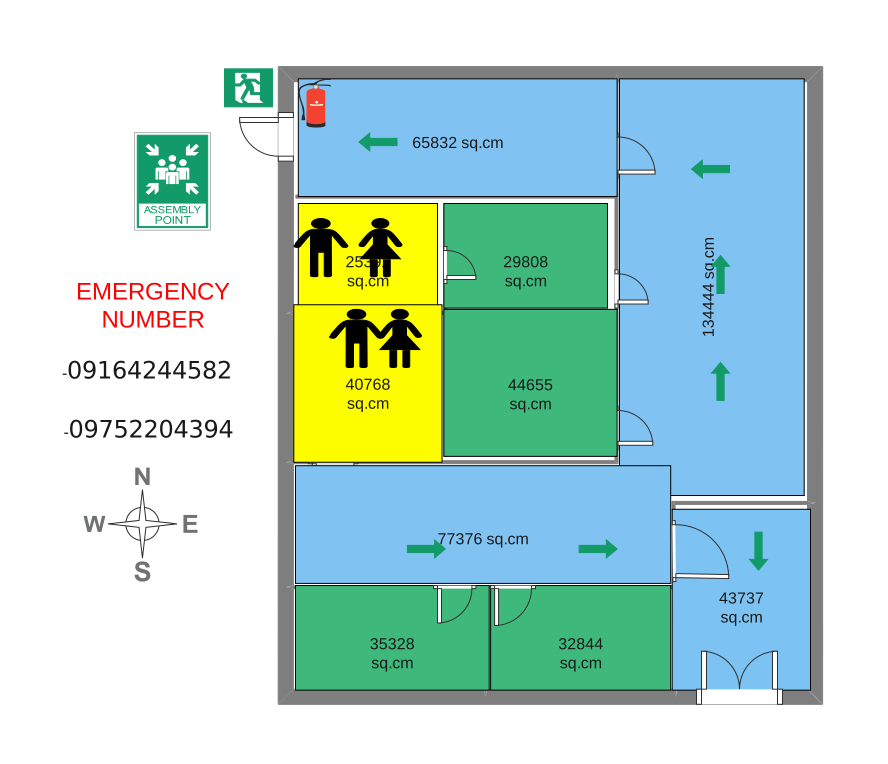
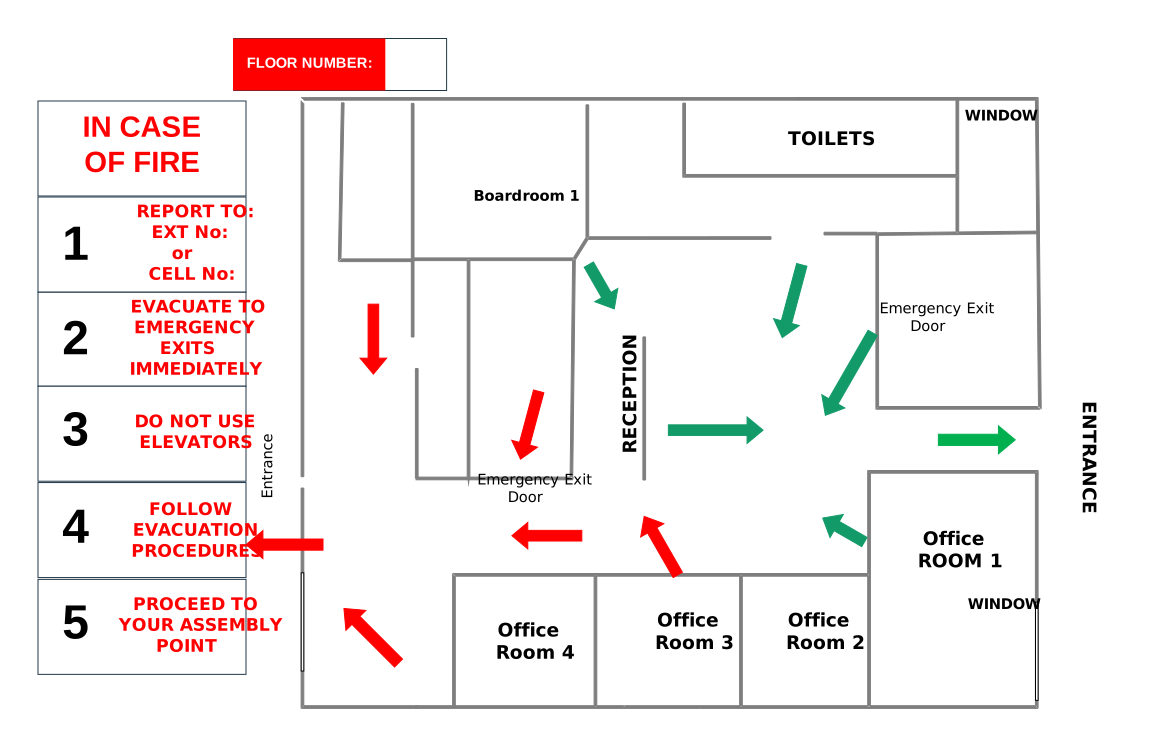
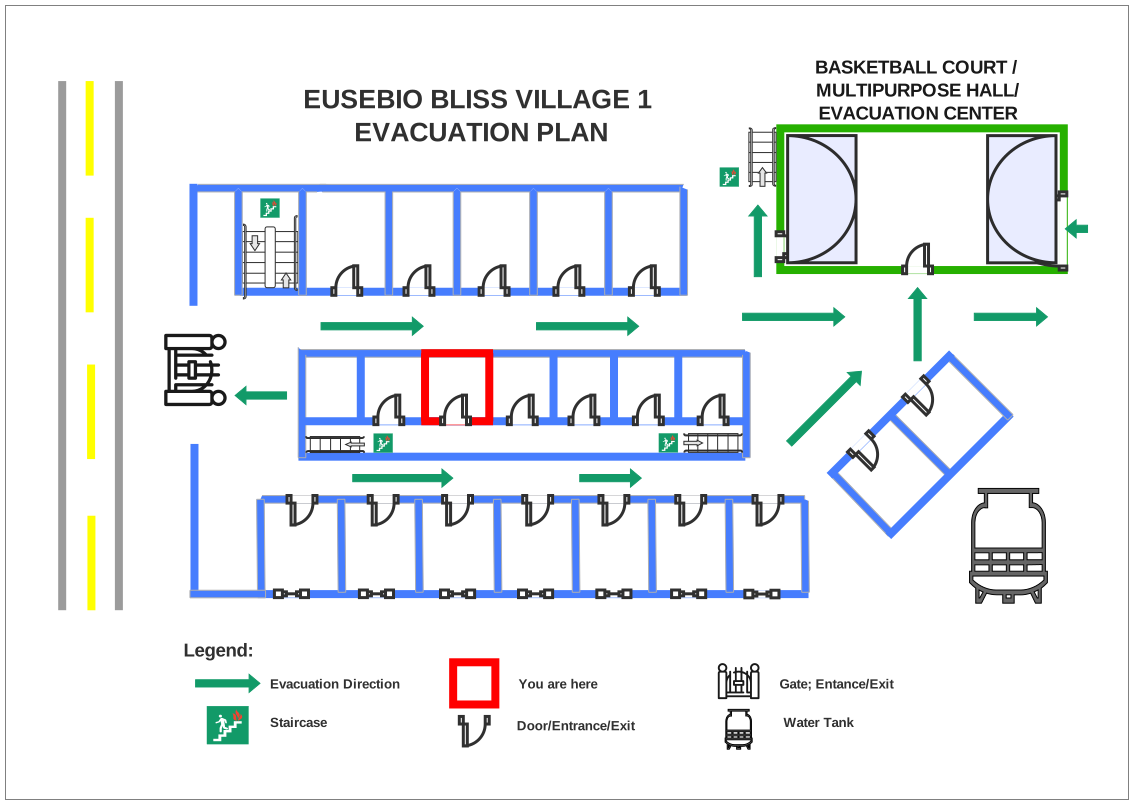
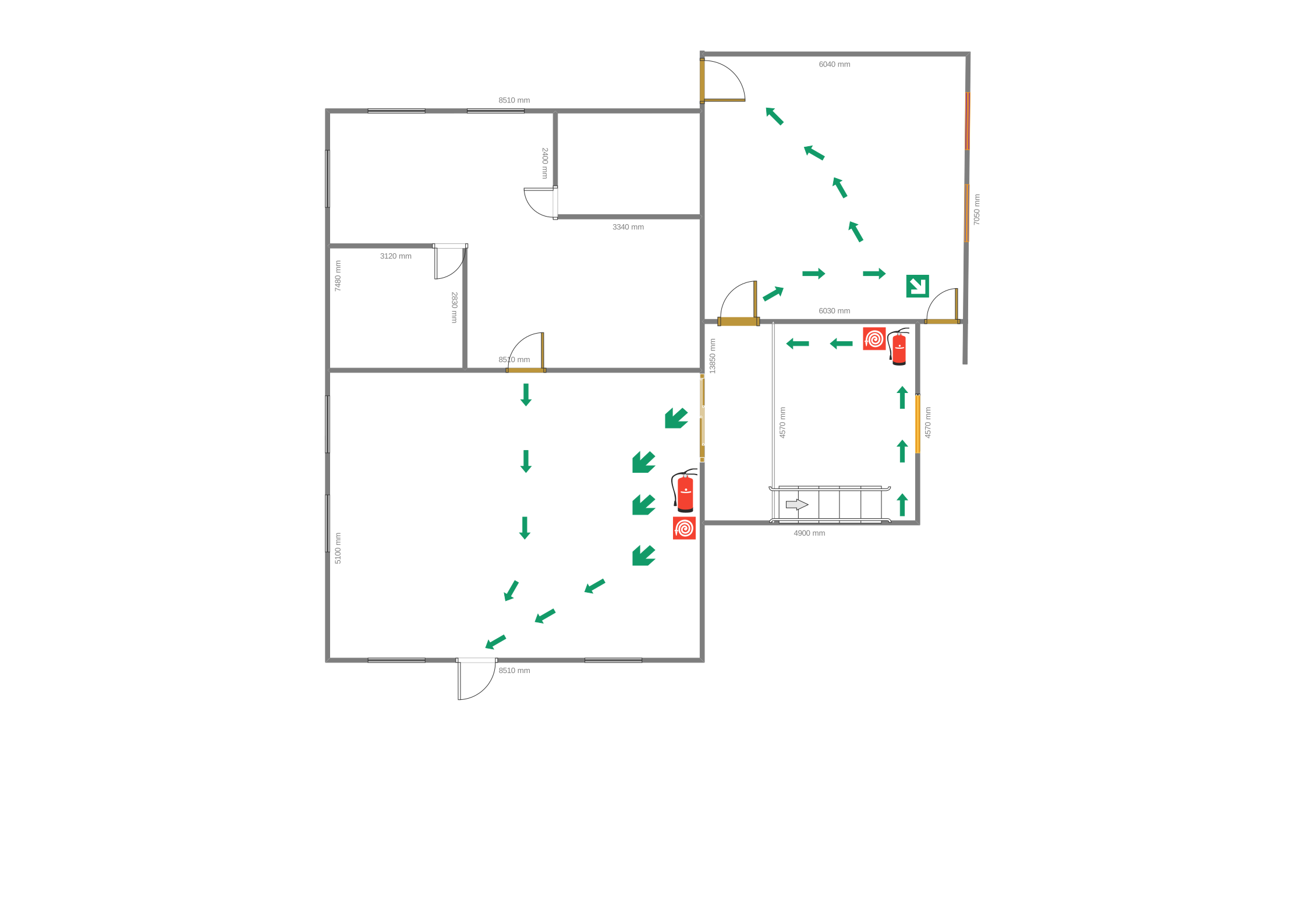
This fire evacuation map maps how people move from everyday spaces to exits, covering areas such as EVACUATION MAP, Fire fighting Equipment, and First Aid and markers like Fire Exit and You Are Here. It works well for route review, wall posting, drills, and site-specific safety communication.
Key rooms and starting points
This fire evacuation map is more useful than a generic diagram because it connects the escape route to visible spaces on the plan. Areas such as EVACUATION MAP, Fire fighting Equipment, First Aid, and Flammable Material help readers orient themselves before they move.
- EVACUATION MAP
- Fire fighting Equipment
- First Aid
- Flammable Material
Exit markers and safety equipment
The safety symbols are what turn the drawing into a working evacuation reference. Markers such as Fire Exit and You Are Here help readers move from orientation to action without extra explanation.
- Fire Exit
- You Are Here
How the route is meant to be followed
The route logic in this fire evacuation map should help readers move from their starting point to the final exit with very little hesitation. The clearer the links between rooms, corridors, stairs, doors, and exterior assembly areas, the more useful the plan becomes in practice.
FAQs about this Template
-
What should people identify first on this Fire Evacuation Map Template?
They should identify their current position, the nearest safe exit, and whether the route changes for different rooms or zones. When labels such as EVACUATION MAP, Fire fighting Equipment, and First Aid are visible, the plan becomes easier to follow under pressure because readers can anchor themselves before moving.
-
Why is a labeled floor layout more useful than a generic evacuation diagram in this building layout?
A labeled floor layout is more useful because it ties the route to actual rooms, corridors, and decision points instead of abstract arrows alone. Readers can orient themselves faster when the plan matches the spaces they see around them in the real building.
-
What safety symbols or notes should be checked before posting this fire evacuation map?
Check that the exit icons, directional arrows, equipment markers, and assembly-point notes still match the site as used today. If the plan includes items like Fire Exit and You Are Here, every symbol should be legible, current, and placed where readers would expect to find it in the real building.
-
What makes this kind of fire evacuation map easier to follow during drills or emergencies?
It becomes easier to follow when the route has a clear starting context, consistent directional cues, and an obvious end point. Good evacuation plans reduce hesitation by making the path readable as one connected sequence rather than a scattered set of icons.


 (AI & Web)