
About Kinship Diagram
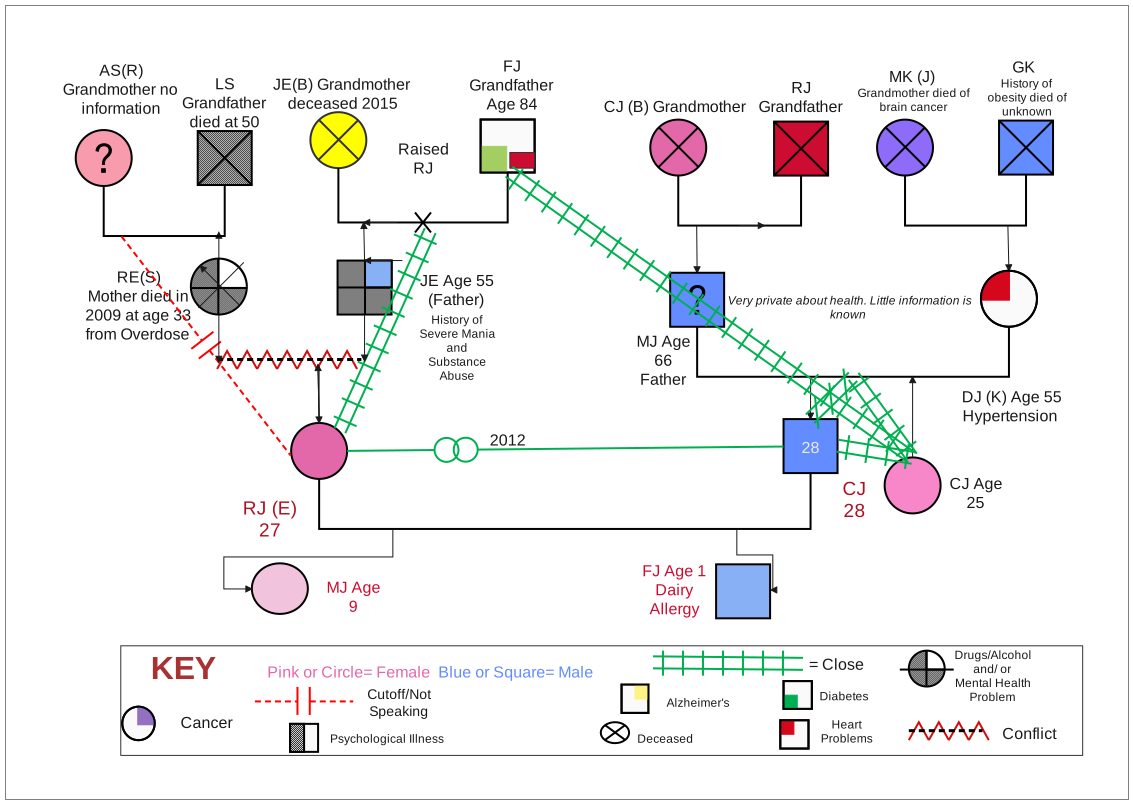
This kinship diagram organizes family members, relationship links, and case-specific markers in one visual structure. It works best when a reader needs to trace...
People and Generational Structure
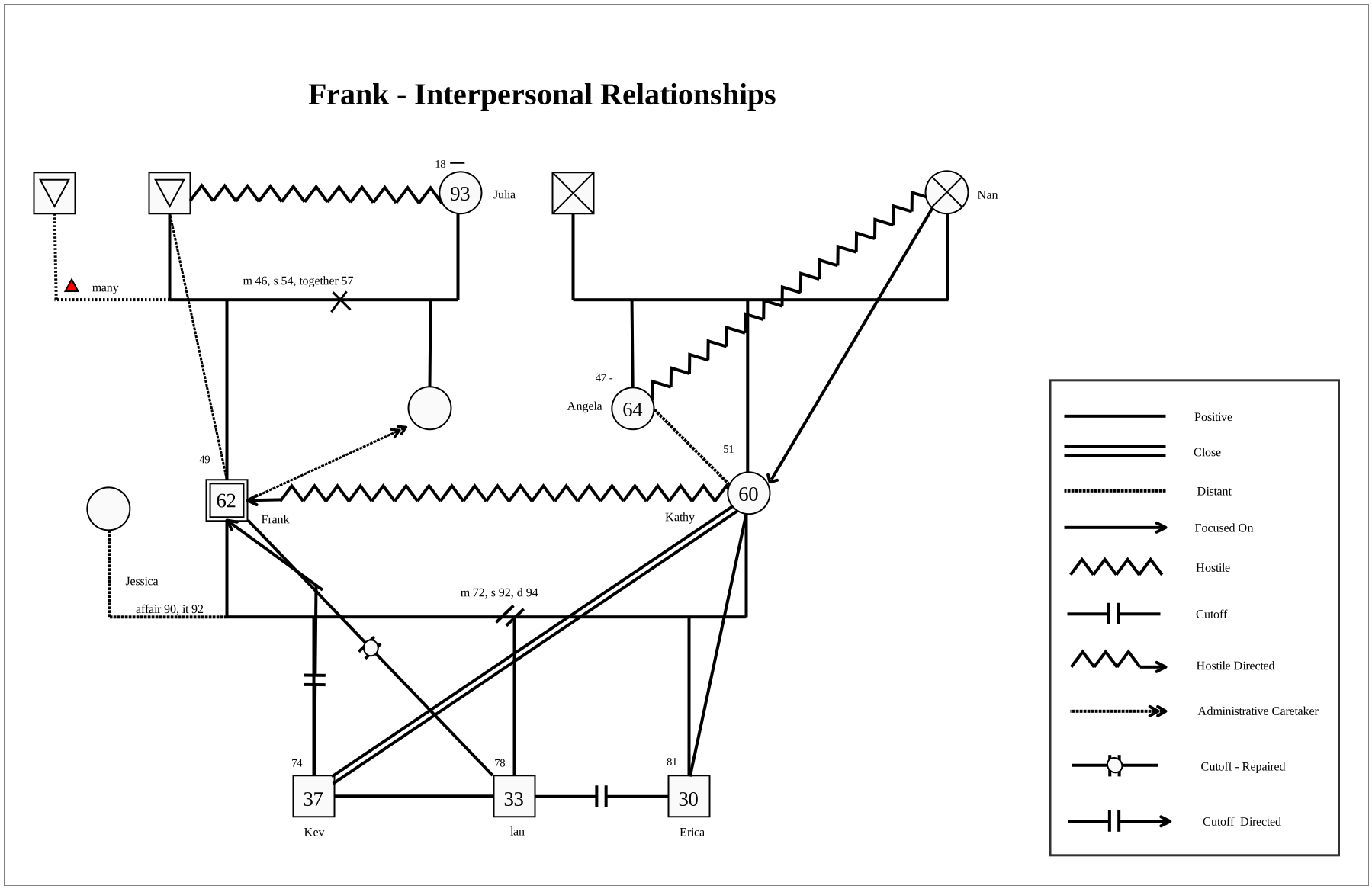
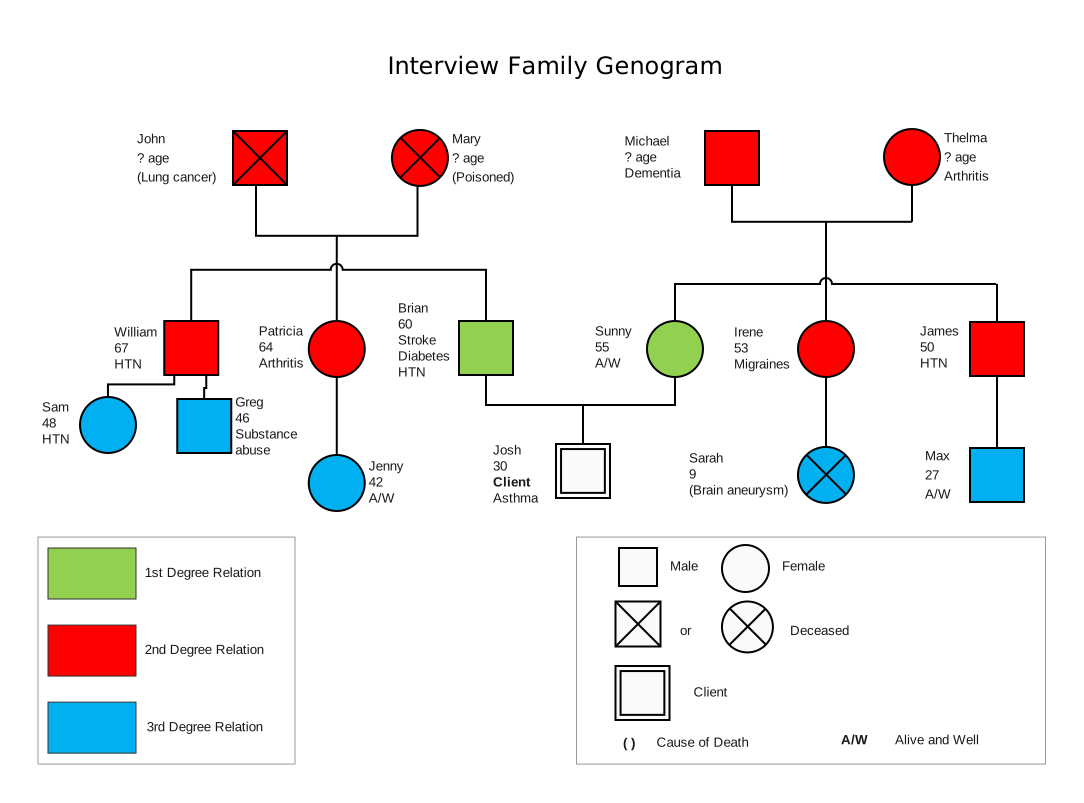
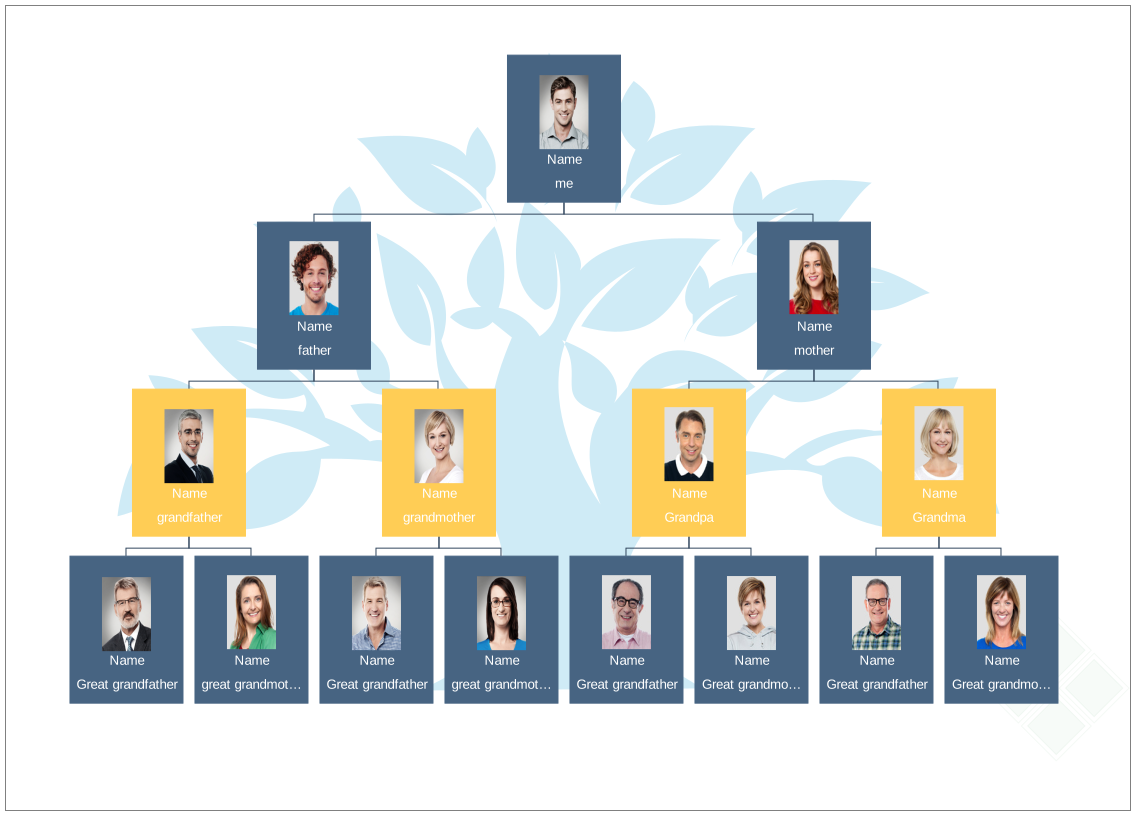
The image is built around named people such as multiple family members placed across generations. That visible naming structure is what makes a genogram or relationship map more specific than a plain family tree.
Relationship and Case Markers
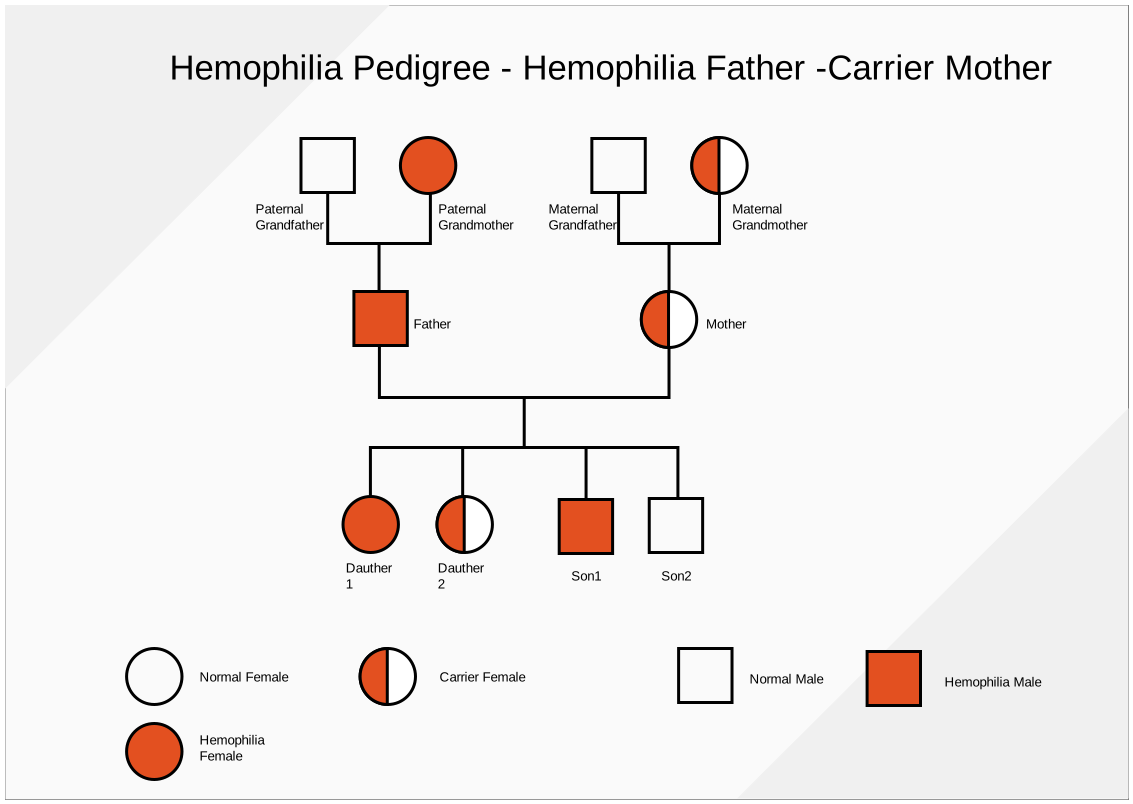
Beyond names, the template also includes markers or notes such as relationship and health annotations. Those details help explain what kind of family history, emotional pattern, or case context the map is trying to capture.
How the Diagram Is Read
This kind of diagram is meant to be read across generations and across relationship lines at the same time. That structure makes it useful for family analysis, counseling, case discussion, classroom examples, and other situations where both people and relationship meaning need to stay visible.
FAQs about this Template
-
What does a kinship diagram usually show?
A kinship diagram usually shows people across generations together with the relationship or case markers attached to them. Unlike a simple family tree, it is often used to record family roles, emotional patterns, health history, or social context in a format that can be reviewed and discussed visually.
-
Why is a genogram more detailed than a basic family tree?
A family tree mainly focuses on lineage, while a genogram usually adds relationship quality, health notes, or case-specific annotations. That extra layer helps the diagram capture patterns that matter in counseling, healthcare, education, or family-history work instead of only listing who belongs to which generation.
-
How do names and labels improve a family relationship diagram?
Names make the structure concrete, and labels explain why certain connections matter. When a reader can see specific people and the notes attached to them, the diagram becomes easier to use for discussion, case review, or teaching because it shows more than a generic relationship pattern.
-
When should someone use a genogram template instead of drawing from scratch?
A genogram template is helpful when you need a consistent structure for multiple people, generations, and annotations. It saves time, keeps the relationship symbols organized, and makes it easier to update the map later if new family information, medical history, or social context needs to be added.
-
What should be checked before sharing a completed genogram?
Before sharing a genogram, the creator should confirm that the names, relationship lines, and case notes are accurate and appropriate for the audience. That matters because family or social diagrams often include sensitive information, and even small labeling errors can change how the whole structure is interpreted.






 (AI & Web)