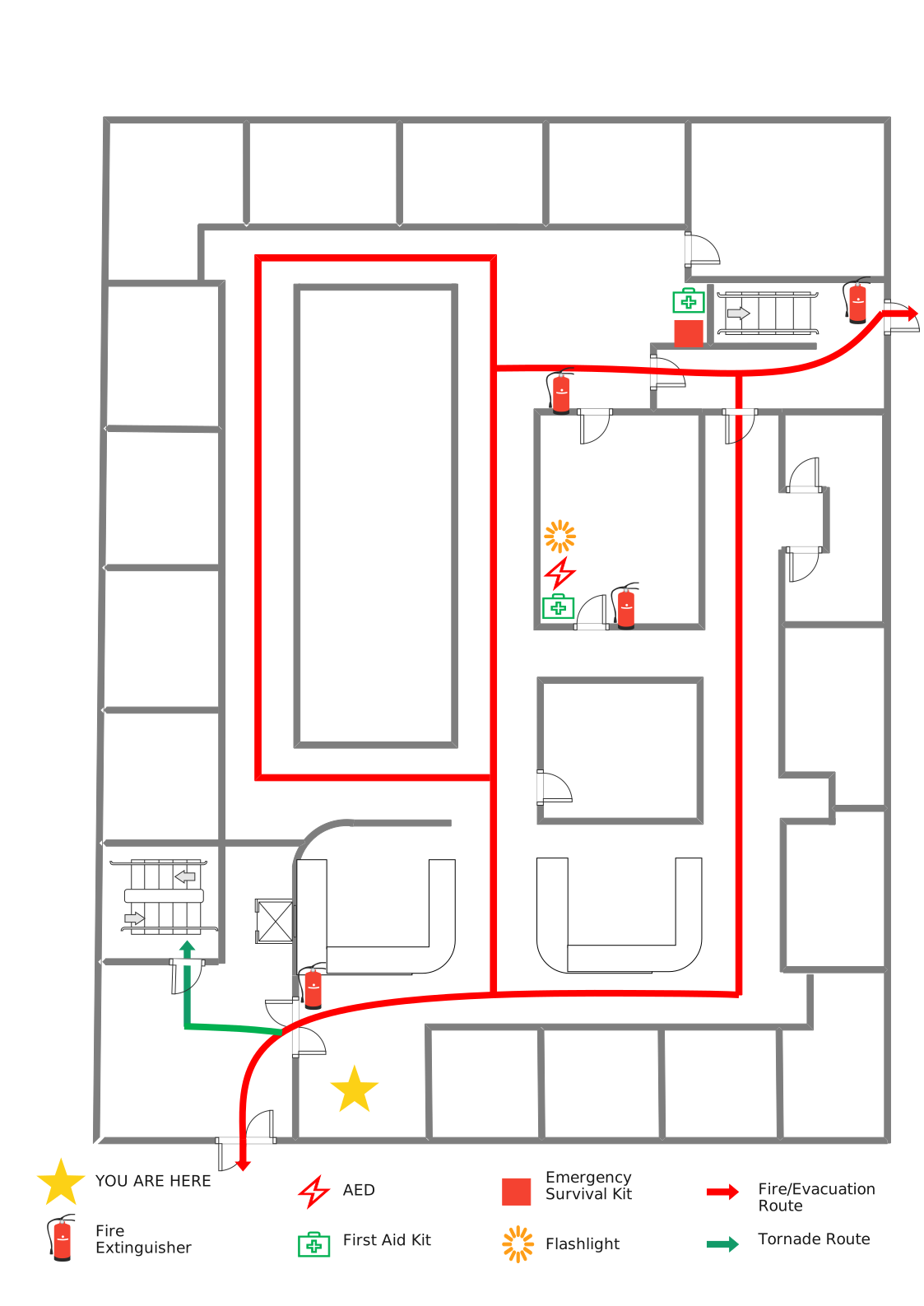
About Office Evacuation Route Design Template
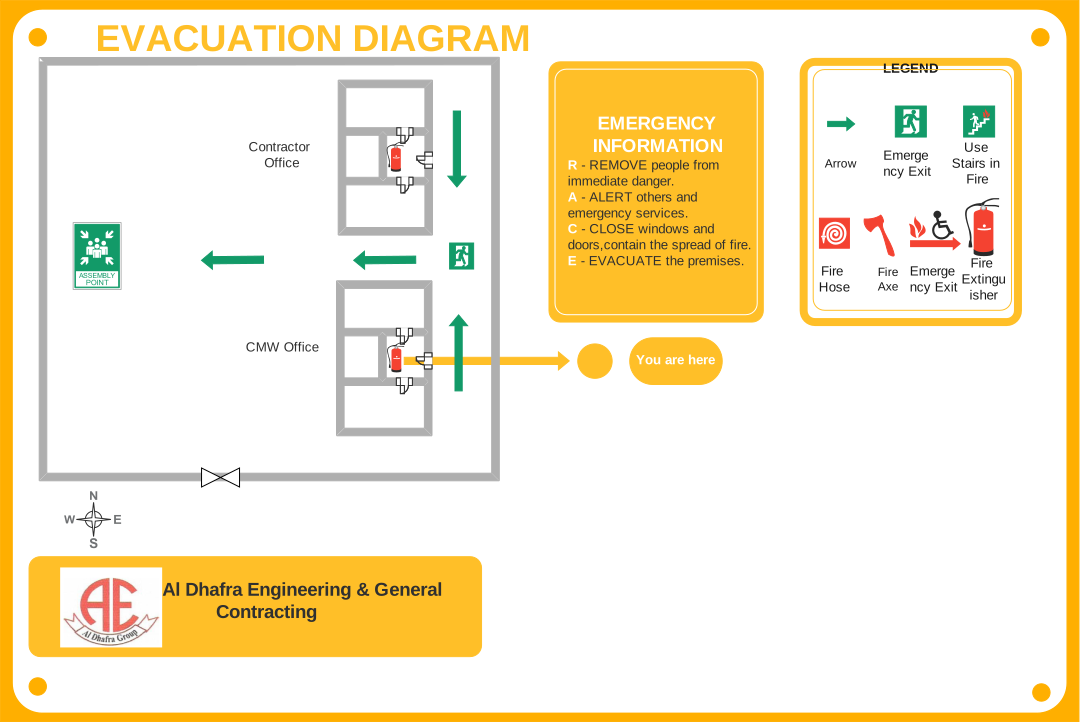
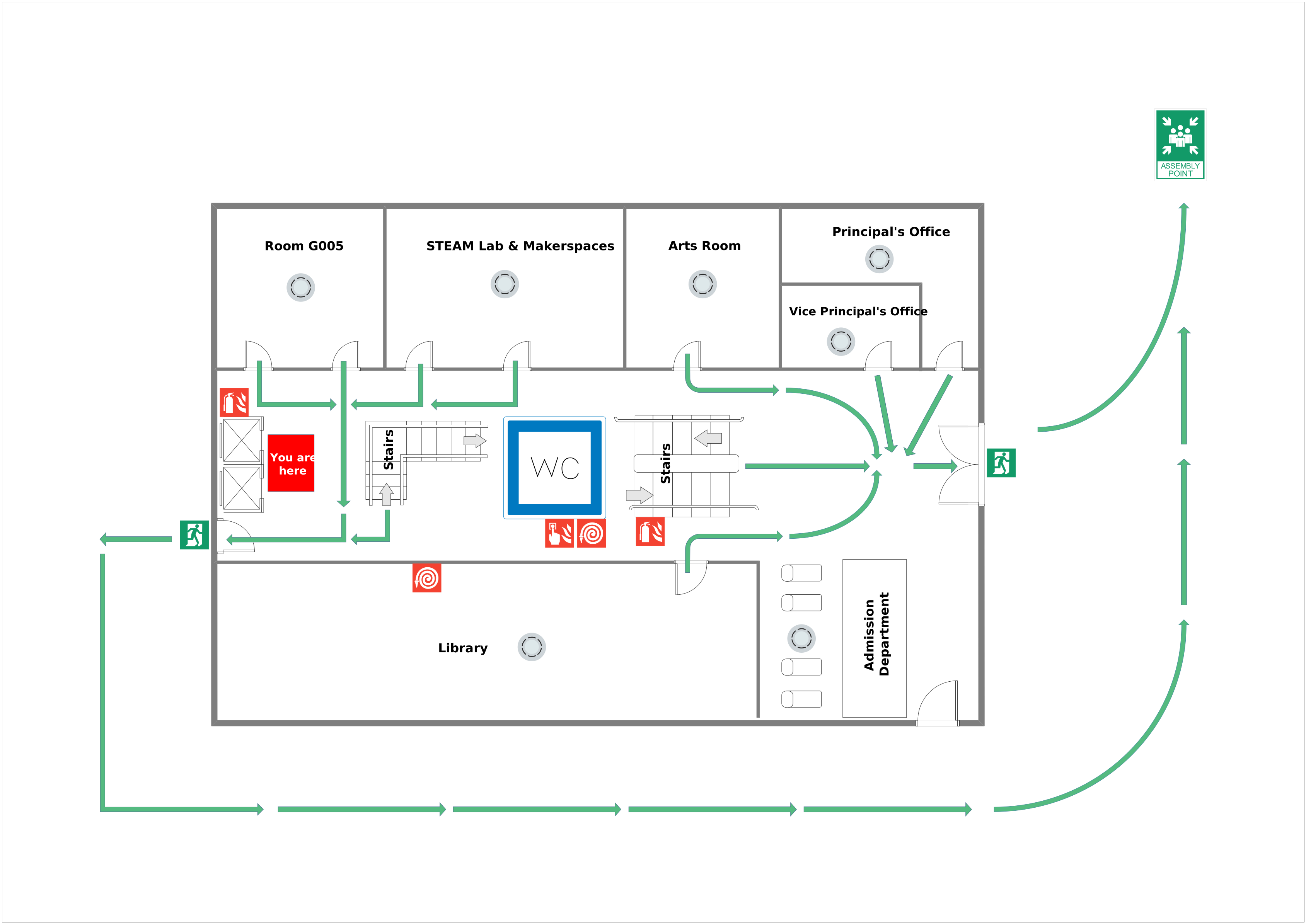
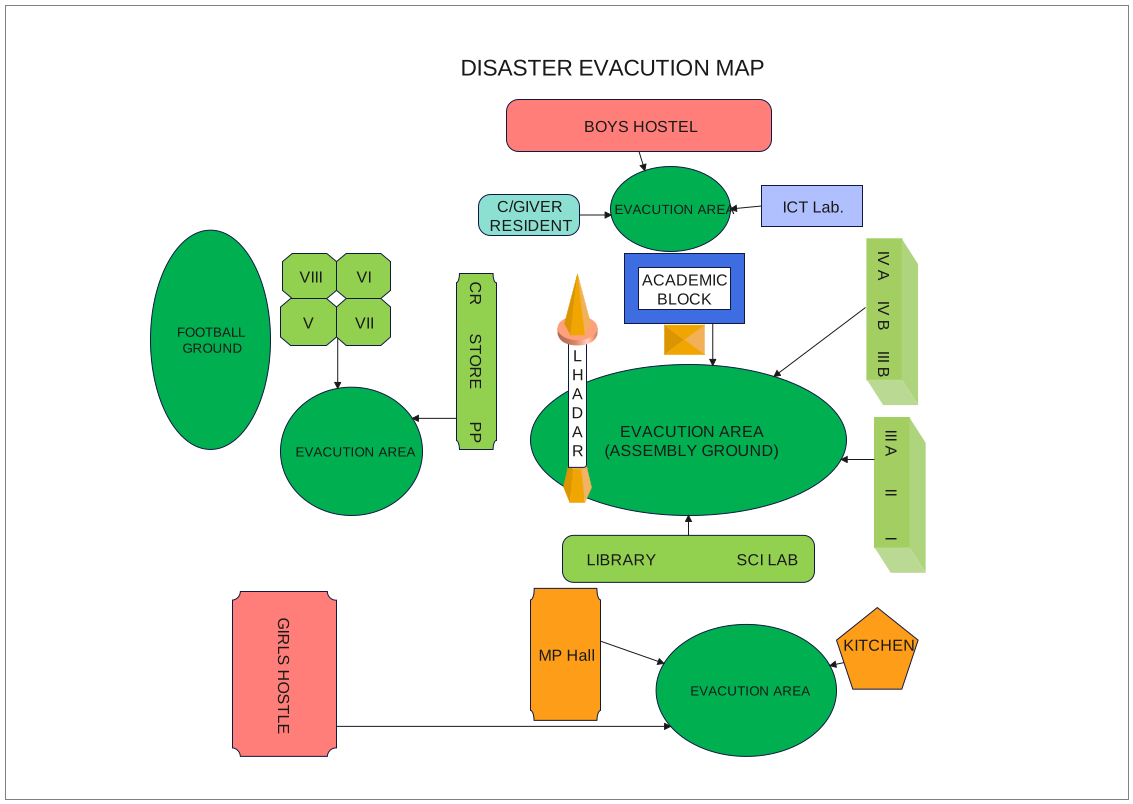
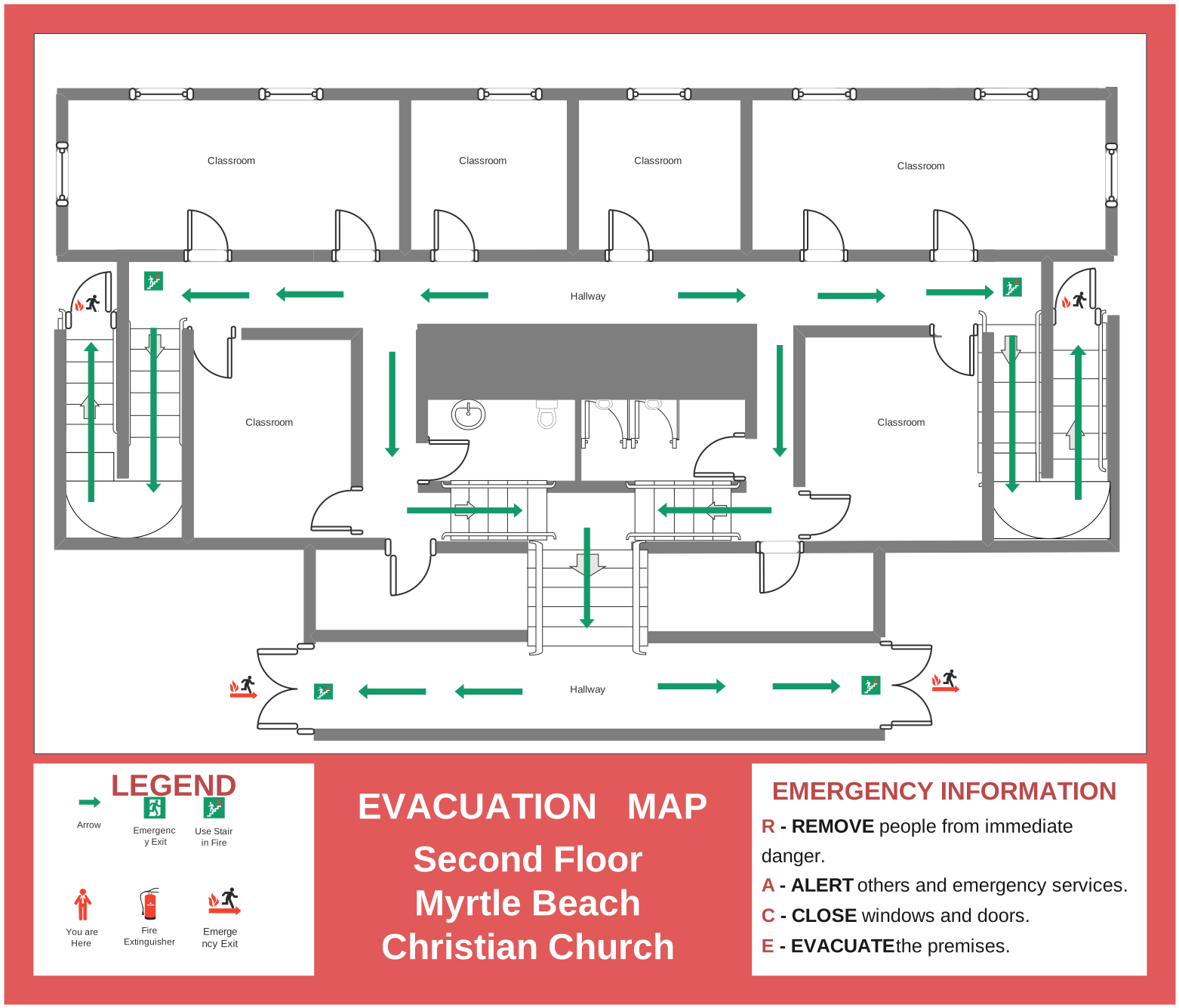
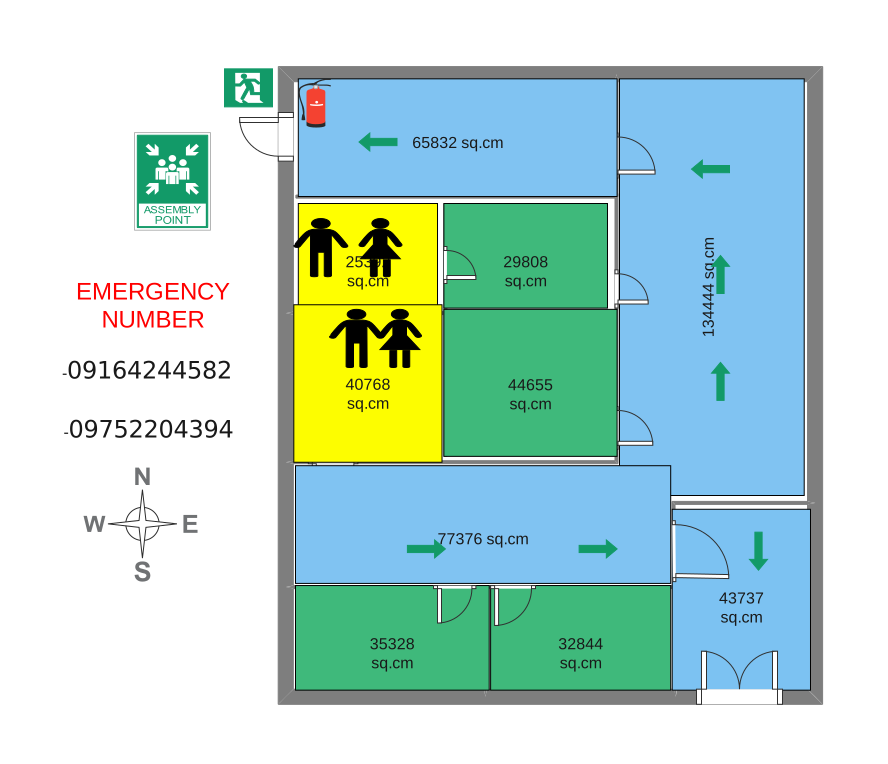
This office evacuation route design maps how people move from everyday spaces to exits, covering areas such as Emergency Survival Kit Flashlight, Fire/Evacuation Route Tornade Route, and AED First Aid Kit and markers like YOU ARE HERE Fire Extinguisher. It works well for route review, wall posting, drills, and site-specific safety communication.
Key rooms and starting points
This office evacuation route design reads like a real workplace plan because it connects the route to labeled office functions. Spaces such as Emergency Survival Kit Flashlight, Fire/Evacuation Route Tornade Route, and AED First Aid Kit make it easier to understand who uses each part of the floor during an evacuation.
- Emergency Survival Kit Flashlight
- Fire/Evacuation Route Tornade Route
- AED First Aid Kit
Exit markers and safety equipment
On an office floor, the symbol set helps people read the route at a glance. Markers such as YOU ARE HERE Fire Extinguisher translate the plan from a normal layout into a practical emergency reference.
- YOU ARE HERE Fire Extinguisher
How the route is meant to be followed
An office evacuation plan works best when the escape path feels natural from desks, meeting rooms, and front-of-house areas. Readers should be able to see how everyday circulation changes in an emergency and which doors or corridors become the primary route out.
FAQs about this Template
-
What should people identify first on this Office Evacuation Route Design Template?
They should identify their current position, the nearest safe exit, and whether the route changes for different rooms or zones. When labels such as Emergency Survival Kit Flashlight, Fire/Evacuation Route Tornade Route, and AED First Aid Kit are visible, the plan becomes easier to follow under pressure because readers can anchor themselves before moving.
-
Why is a labeled floor layout more useful than a generic evacuation diagram in this office floor?
A labeled office plan is more useful because it connects the route to real workplaces such as reception, meeting rooms, and internal offices. That makes the evacuation path easier to understand for staff, visitors, and anyone unfamiliar with the floor during a drill or real incident.
-
What safety symbols or notes should be checked before posting this office evacuation route design?
Check that the exit icons, directional arrows, equipment markers, and assembly-point notes still match the site as used today. If the plan includes items like YOU ARE HERE Fire Extinguisher, every symbol should be legible, current, and placed where readers would expect to find it in the real building.
-
What makes this kind of office evacuation route design easier to follow during drills or emergencies?
It becomes easier to follow when everyday office movement and emergency movement line up visually. If readers can see how desks, shared rooms, hallways, and final exits connect, they can understand the route quickly without mentally rebuilding the floor in the middle of a drill.

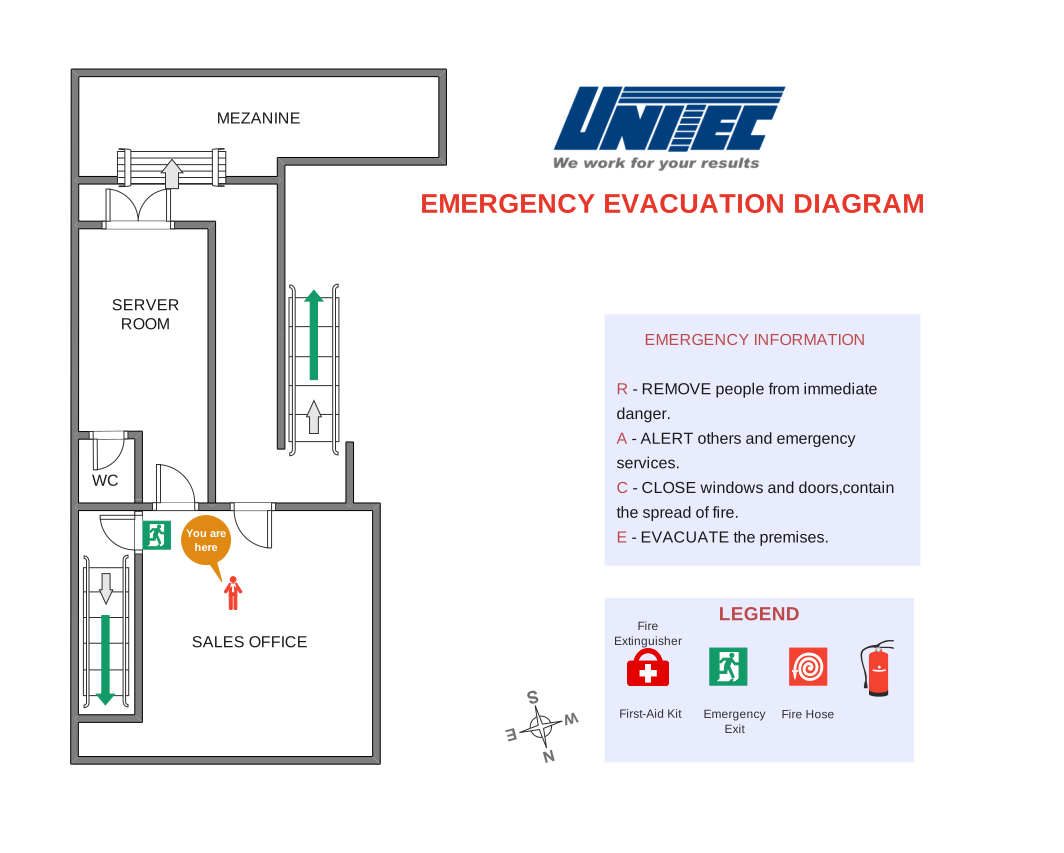
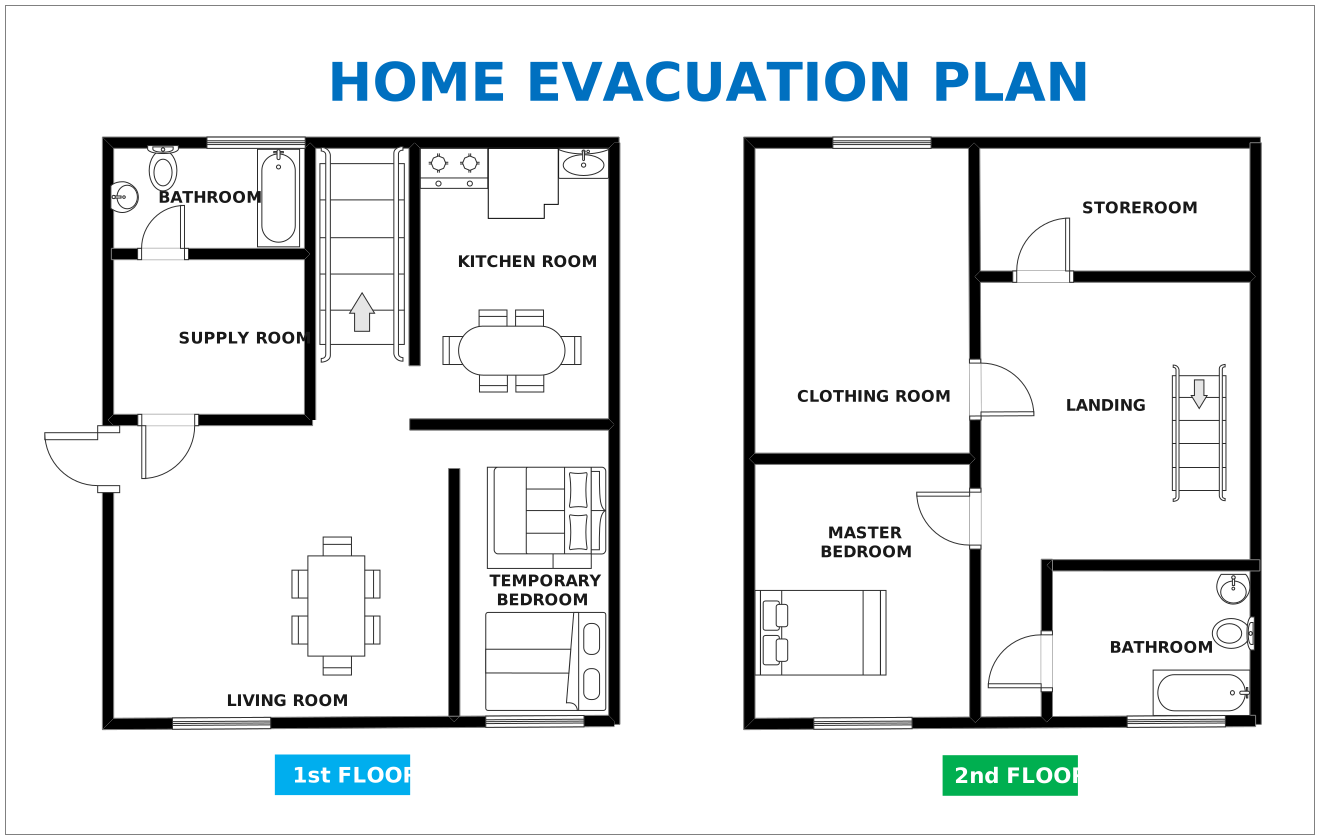
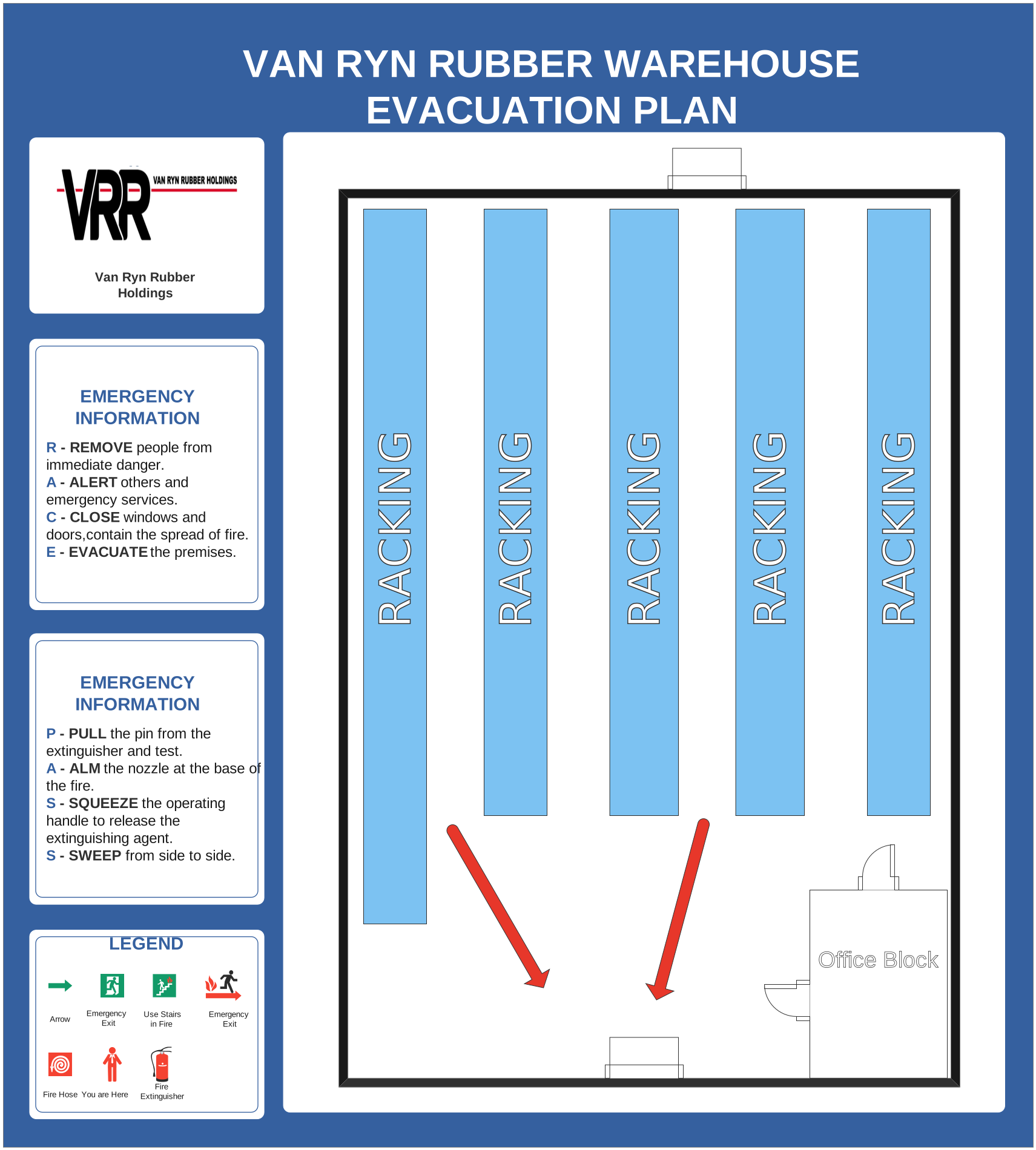


 (AI & Web)