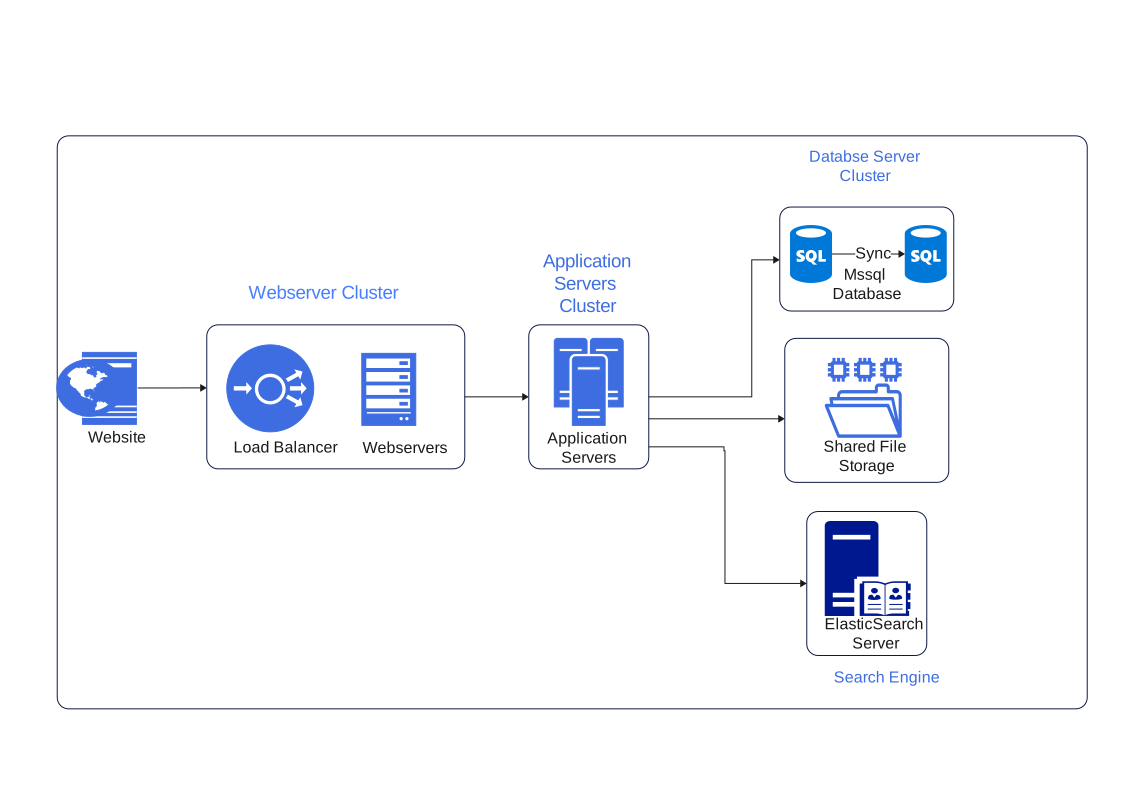
About this Scalable Web Application Architecture
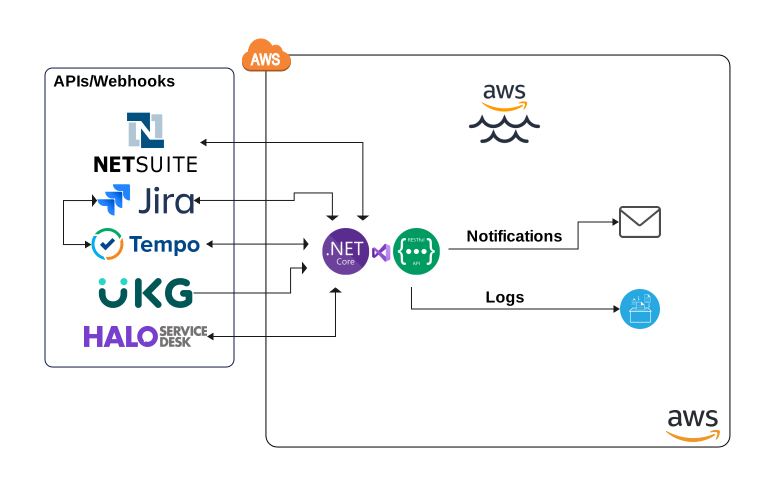
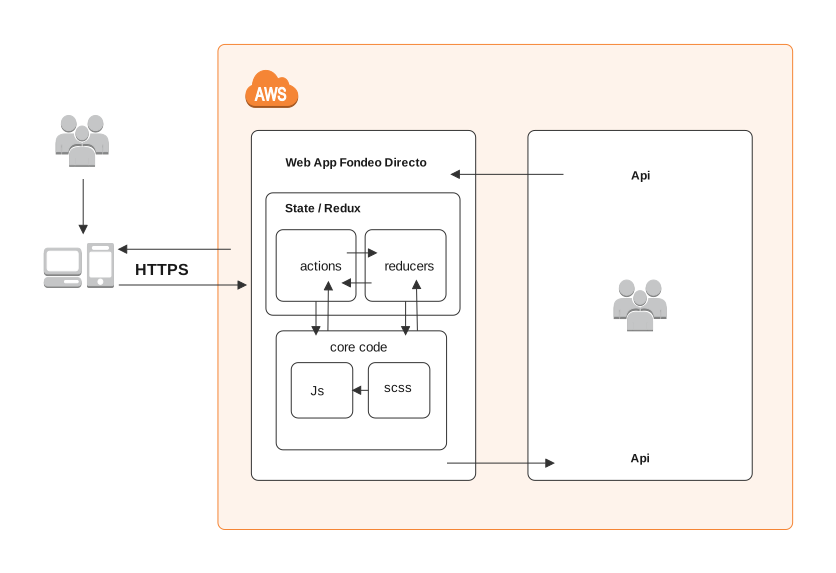
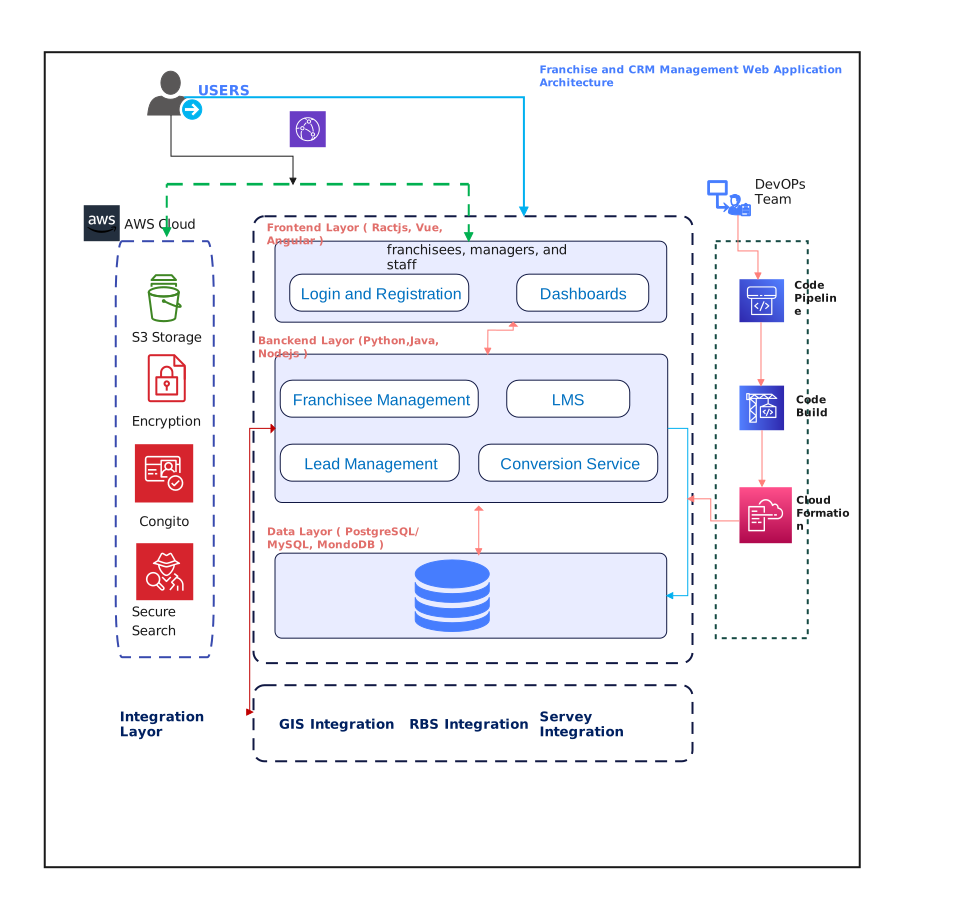
This template is useful for showing a web application that needs to scale, separating the entry path, service logic, data dependencies, and control boundaries that shape how the system expands under load.
Access and Client Layer
This section marks the user-facing traffic path where requests first enter the application.
Application and Service Layer
This layer groups the runtime services that handle requests and form the main execution tier of the web application.
Data and Support Layer
This part covers the data resources and support services that keep state, records, and shared dependencies available as usage grows.
Network and Control Boundary
This area highlights the routing and protection boundaries that help traffic move safely through a larger scalable environment.
Platform Components
This section gathers the underlying platform services that support scaling, deployment, and operational management.
FAQs about this Template
-
What should someone notice first on this Scalable Web Application Architecture?
Start with the biggest application sections, such as user access, service logic, data support, or platform components. Reading the diagram in that order makes it easier to understand the product structure before looking at smaller tools, services, or technical details.
-
Why are the main sections separated on an application architecture page?
The separation makes it easier to understand which parts handle user interaction, which parts run business logic, and which parts support storage or operations. That is especially useful for application diagrams because many different responsibilities often live behind a single product.
-
How is an application architecture diagram different from a context or process diagram?
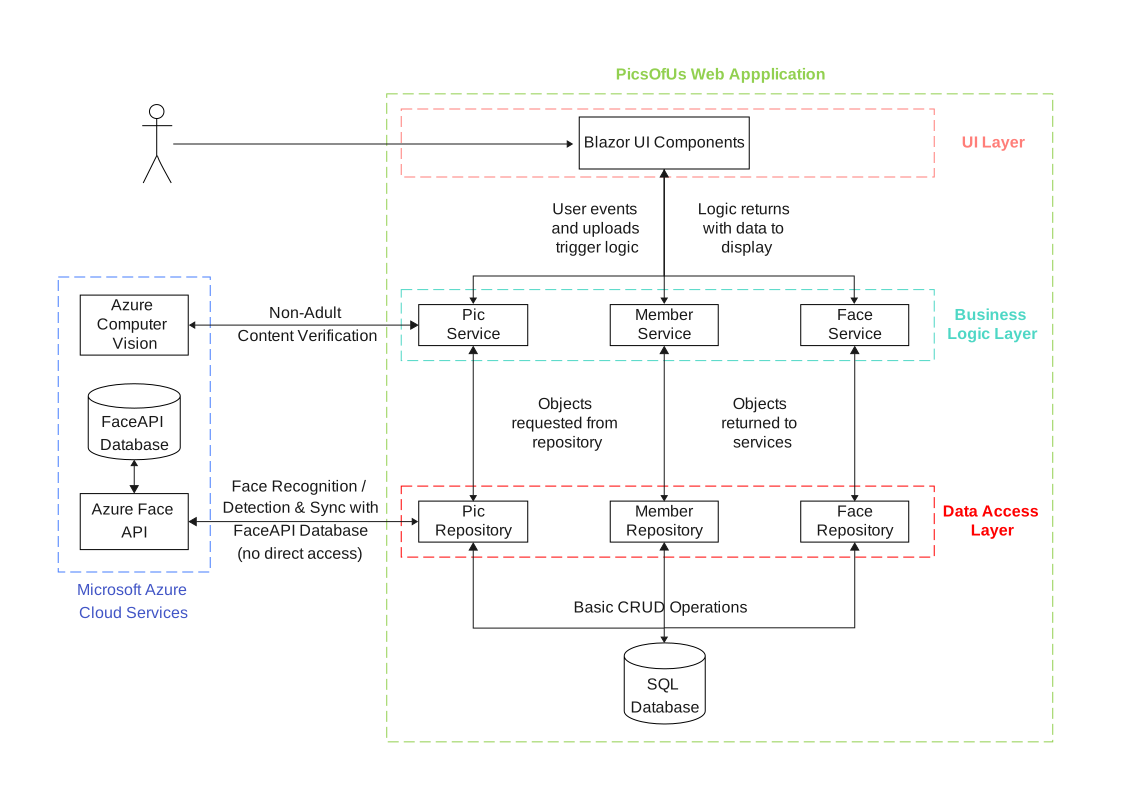
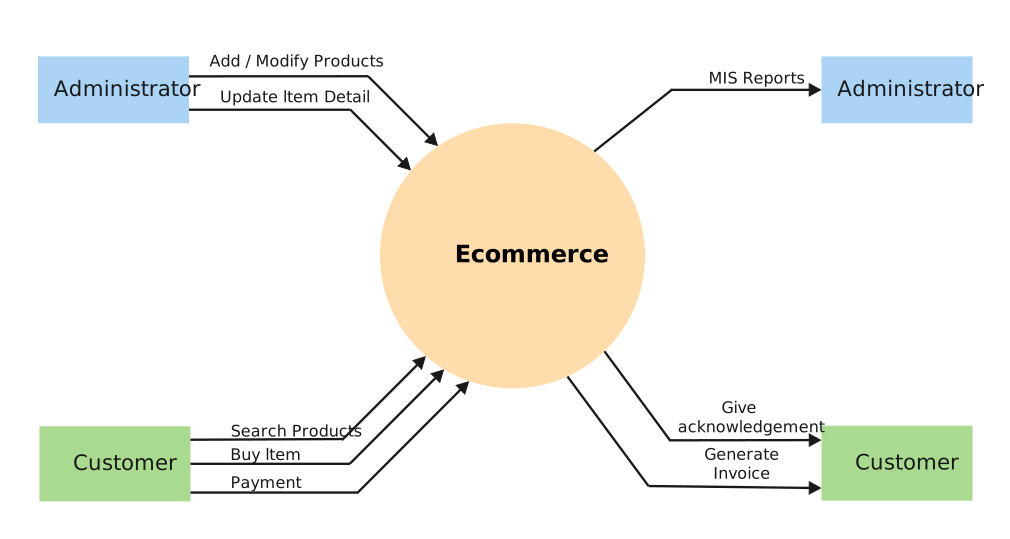
An application architecture diagram explains how the system is internally organized, not just who interacts with it or what steps happen in sequence. That difference matters because product teams often need both boundary views and internal structure views for the same application.
-
When is this kind of application template most useful?
It is most useful when a team needs a shared picture of the product stack for design review, onboarding, planning, or communication across roles. The template gives enough structure to explain the system without requiring a full low-level technical specification.




 (AI & Web)