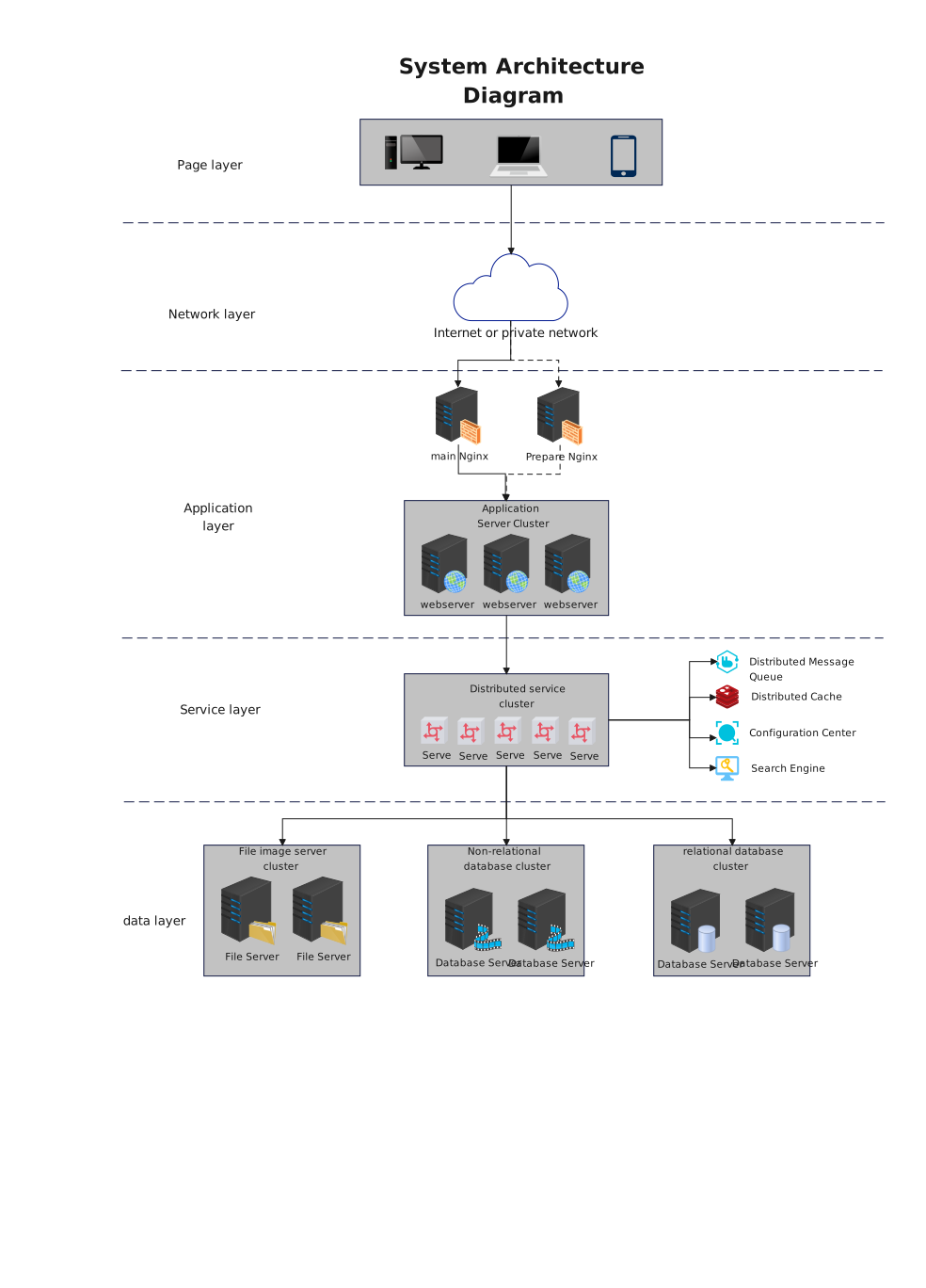
About this System technical architecture diagram
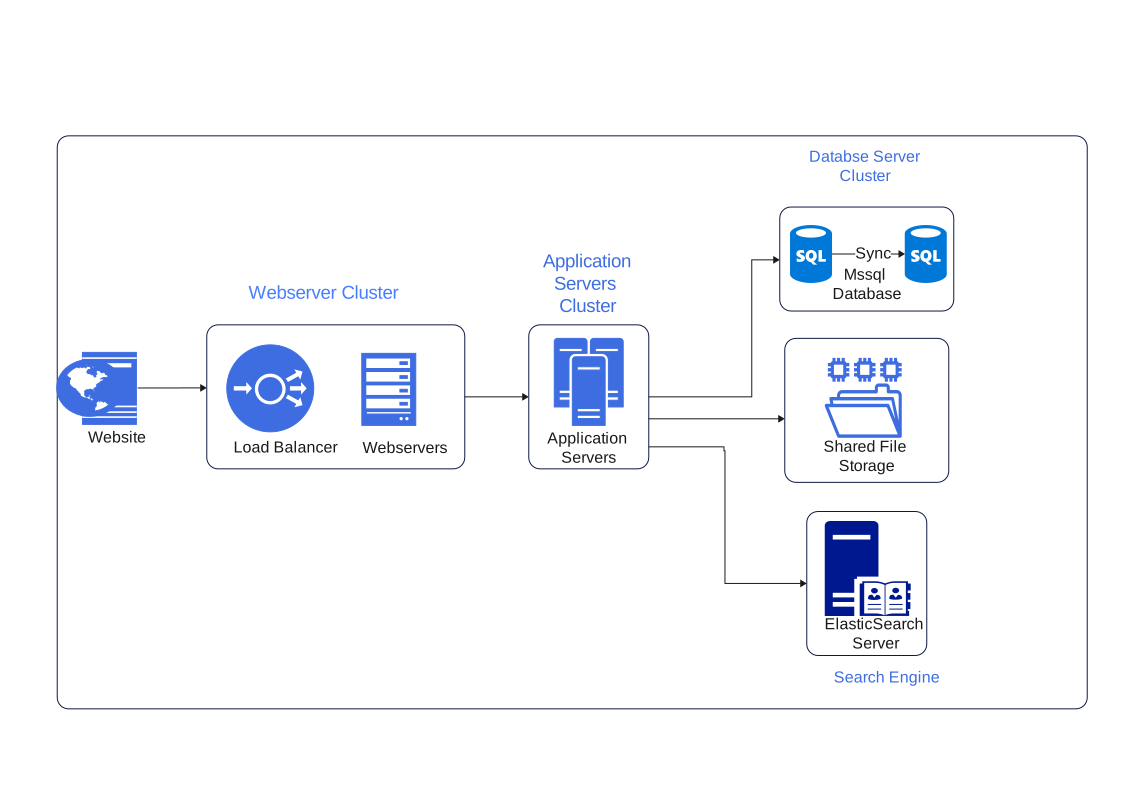
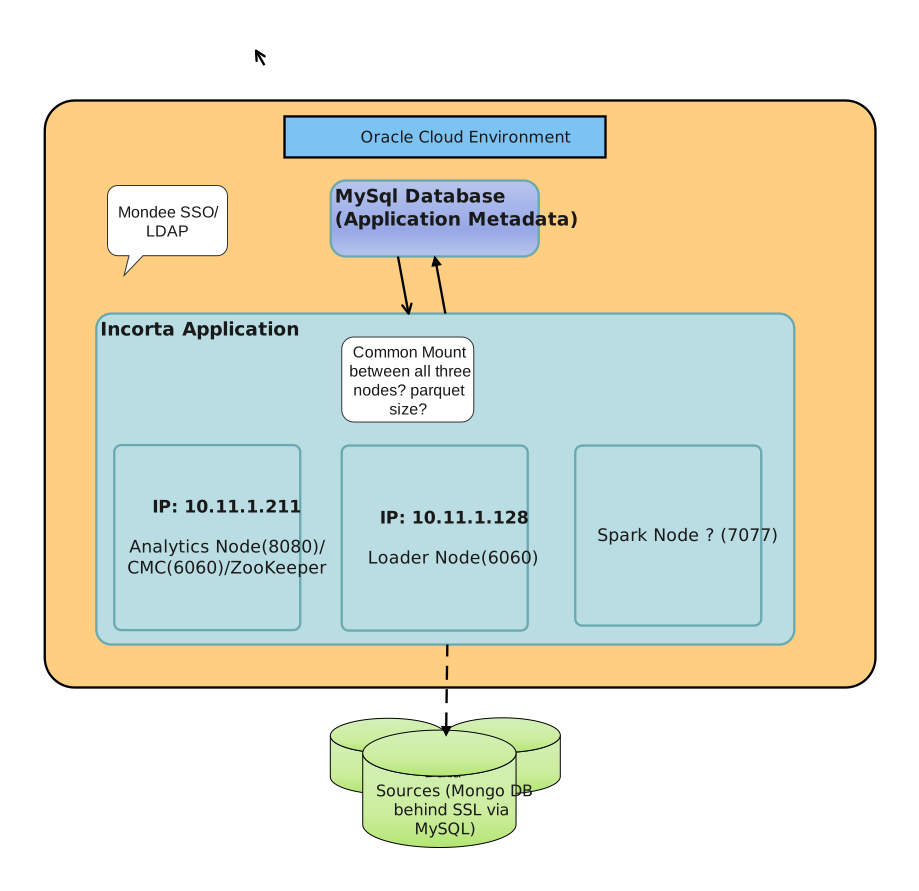
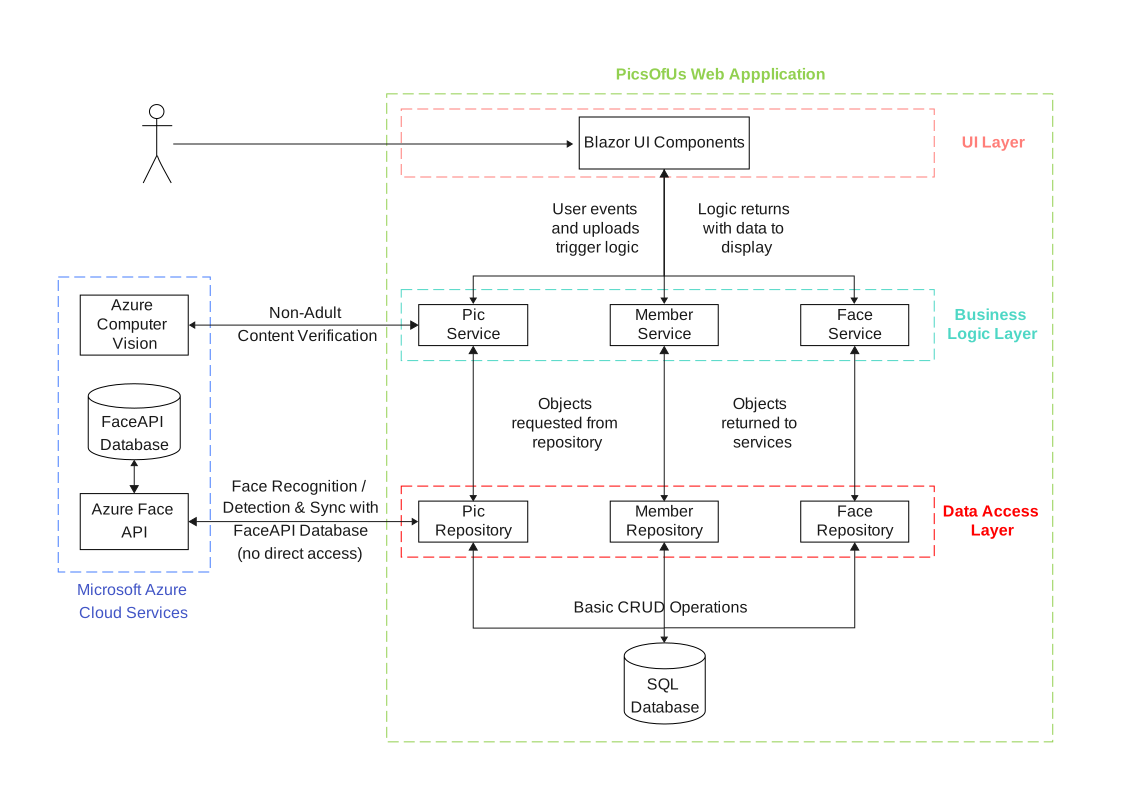
This template is designed for a broad technical stack view, where service clusters, data resources, and system boundaries need to be presented as a connected architecture rather than as isolated components.
Access and Client Layer
This section represents the outside access path where traffic or user actions first reach the system.
Application and Service Layer
This layer focuses on the core service tiers and clustered runtime units that perform the main technical work inside the environment.
Data and Support Layer
This part covers the stored data, file resources, or support dependencies that the service tiers rely on during operation.
Network and Control Boundary
This area marks the system boundaries and routing controls that shape how traffic moves between layers and protected resources.
FAQs about this Template
-
What should someone notice first on this System Technical Architecture Diagram?
Begin with the broadest system layers or grouped areas. That approach gives the reader a mental map of the whole design before they start reading the smaller service labels or role-specific details inside each section.
-
Why are the major sections separated in a system architecture diagram?
They are separated so different responsibilities remain visible instead of blending into a single component list. That makes the page easier to explain because readers can distinguish access, processing, storage, and control functions more naturally.
-
How is a system architecture diagram different from a context or process diagram?
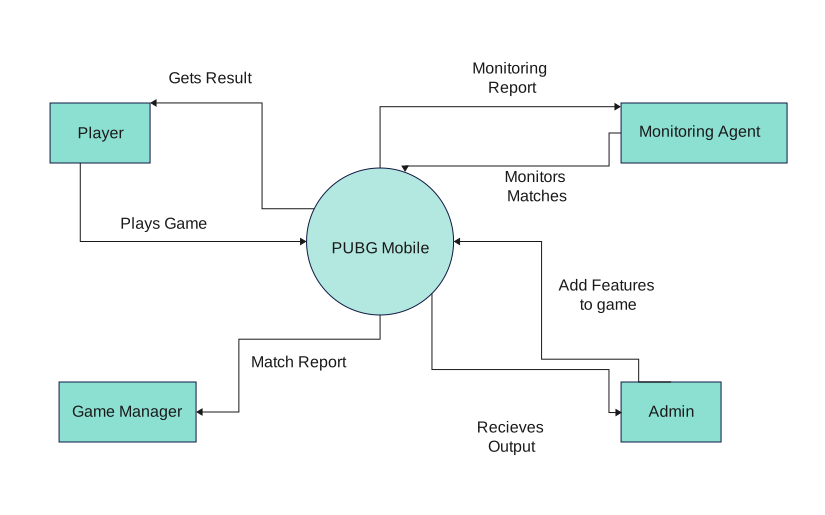
A system architecture diagram focuses on the internal technical structure of the system. A context diagram focuses on external relationships, and a process diagram focuses on flow over time, so each diagram type highlights a different aspect of the same subject.
-
When is this kind of system template most useful?
It is most useful when a team needs a high-level technical reference for design review, onboarding, or planning. The template provides enough structure to support discussion without forcing the page into low-level implementation detail too early.




 (AI & Web)