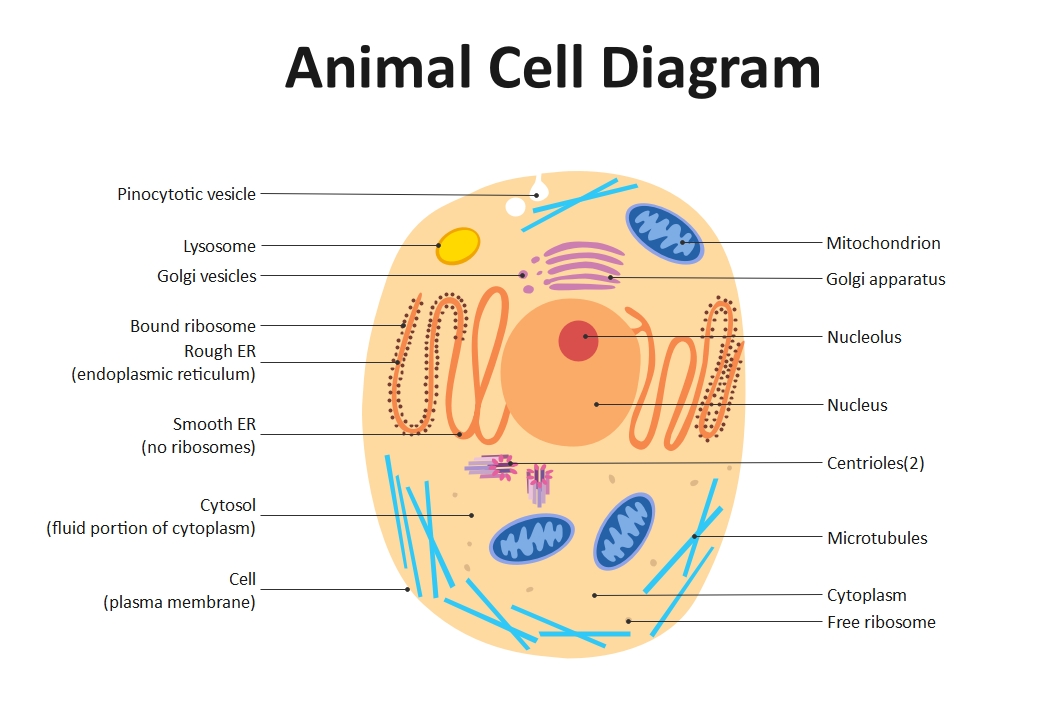
About this Animal Cell Diagram
This animal cell diagram template is a perfect educational tool for students and teachers. It visually breaks down the internal structure of a cell, highlighting key organelles and their locations. Using this template helps simplify complex biological concepts for better classroom learning and study sessions.
The Nucleus and Genetic Control
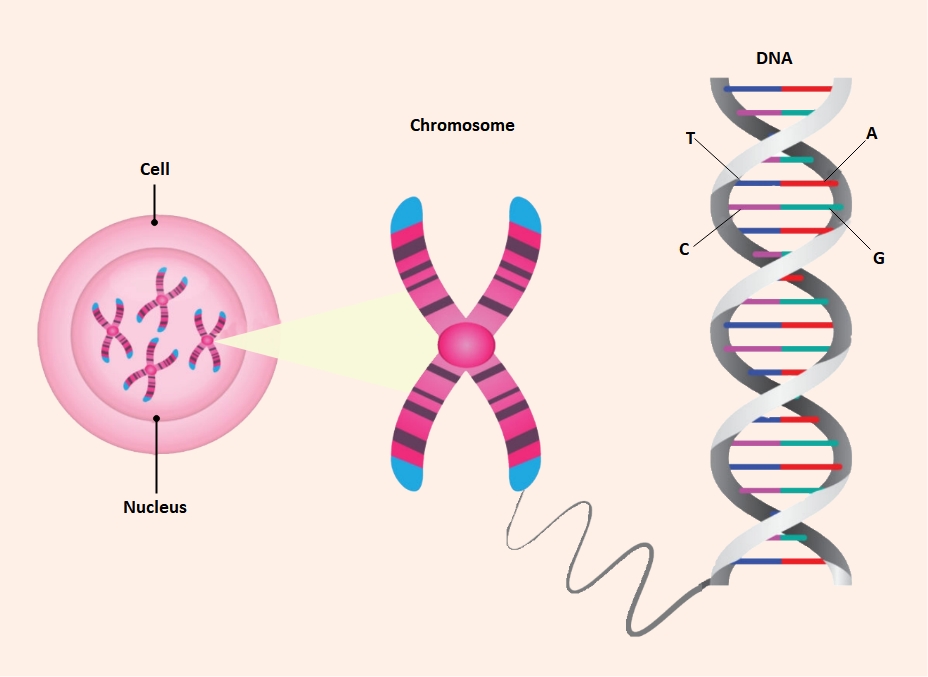
The nucleus serves as the brain of the cell, housing genetic information and coordinating growth. It contains the nucleolus, which is responsible for ribosome production. These structures are essential for maintaining the cell's lifecycle and reproduction.
- Nucleus
- Nucleolus
Manufacturing and Distribution Systems
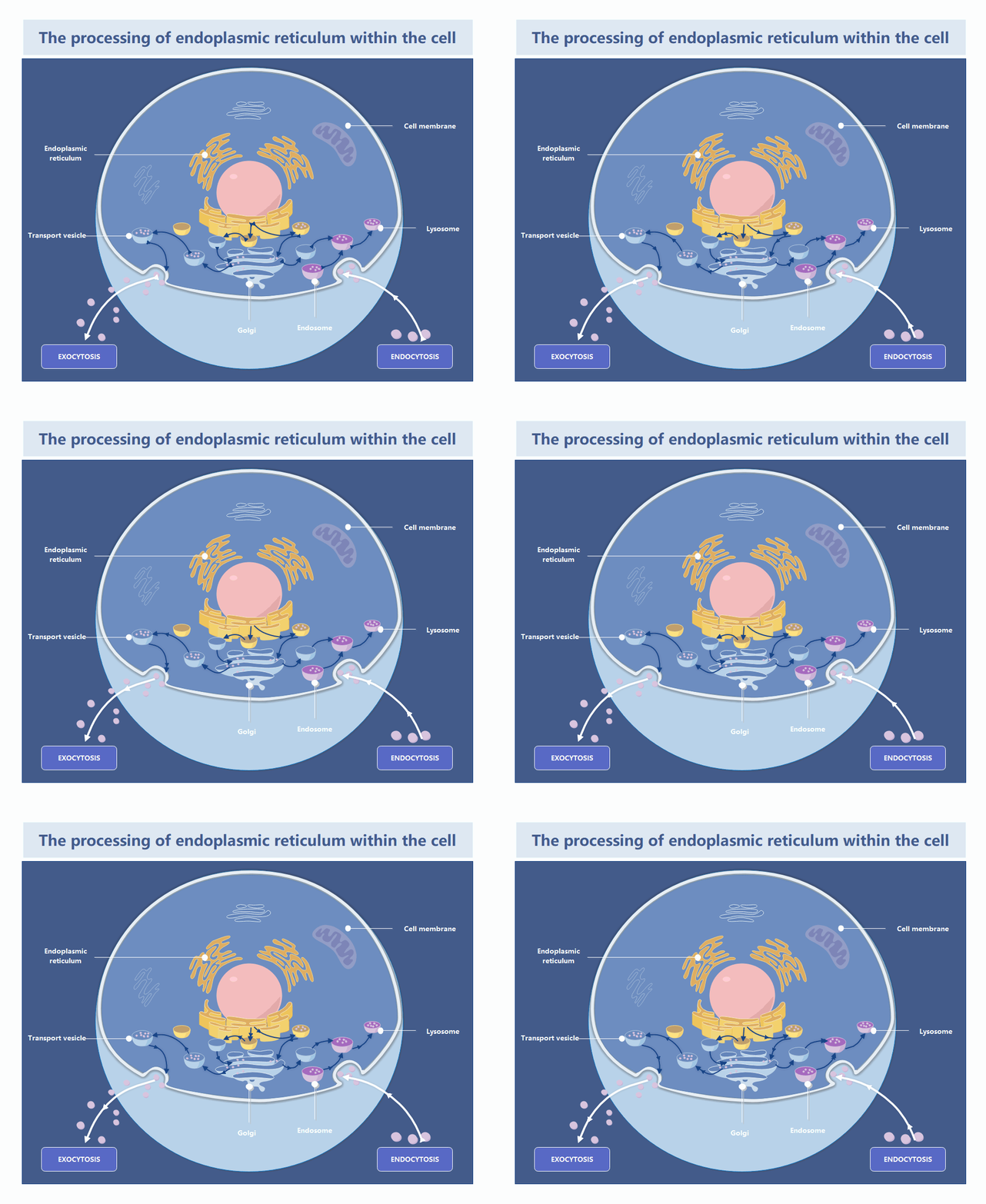
The endoplasmic reticulum and Golgi apparatus work together to process and transport proteins. The rough ER contains ribosomes for synthesis, while the smooth ER handles lipids. The Golgi apparatus then packages these materials into vesicles for distribution.
- Rough ER (endoplasmic reticulum)
- Smooth ER (no ribosomes)
- Bound ribosome
- Golgi apparatus
- Golgi vesicles
Energy Production and Structural Support
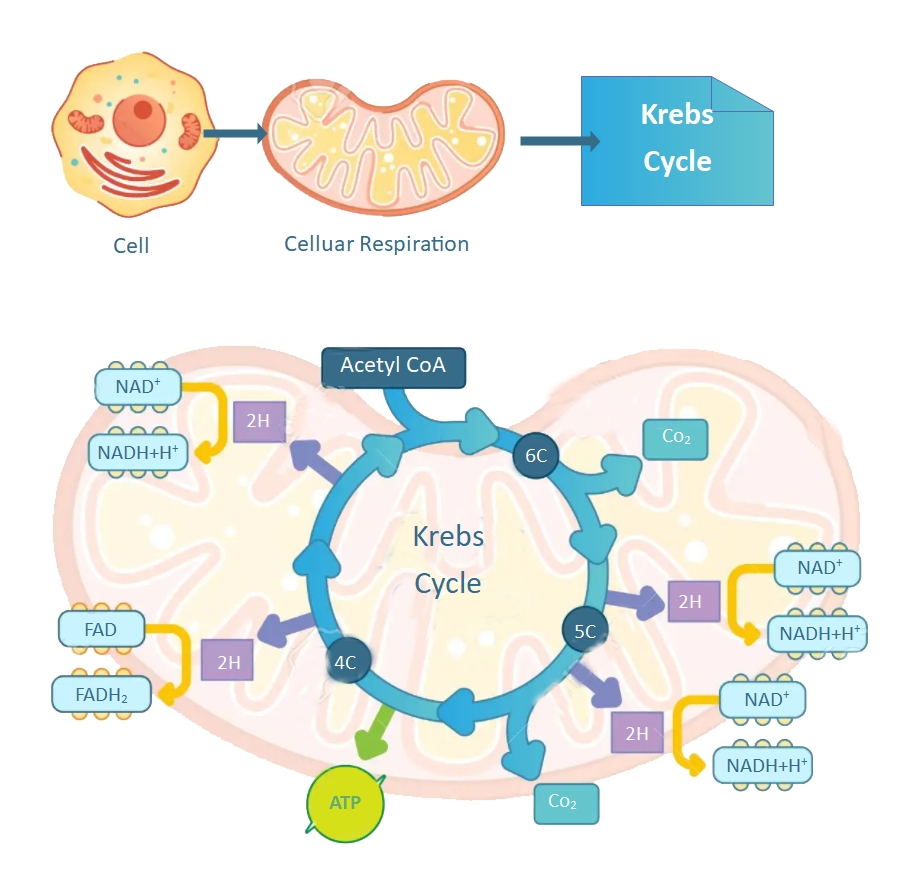
Mitochondria act as the powerhouses of the cell, converting nutrients into usable energy. Meanwhile, the cytoskeleton, including microtubules and centrioles, provides structural support. These components ensure the cell maintains its shape and can move or divide effectively.
- Mitochondrion
- Centrioles(2)
- Microtubules
- Cytoplasm
- Cytosol (fluid portion of cytoplasm)
- Cell (plasma membrane)
Storage and Waste Management
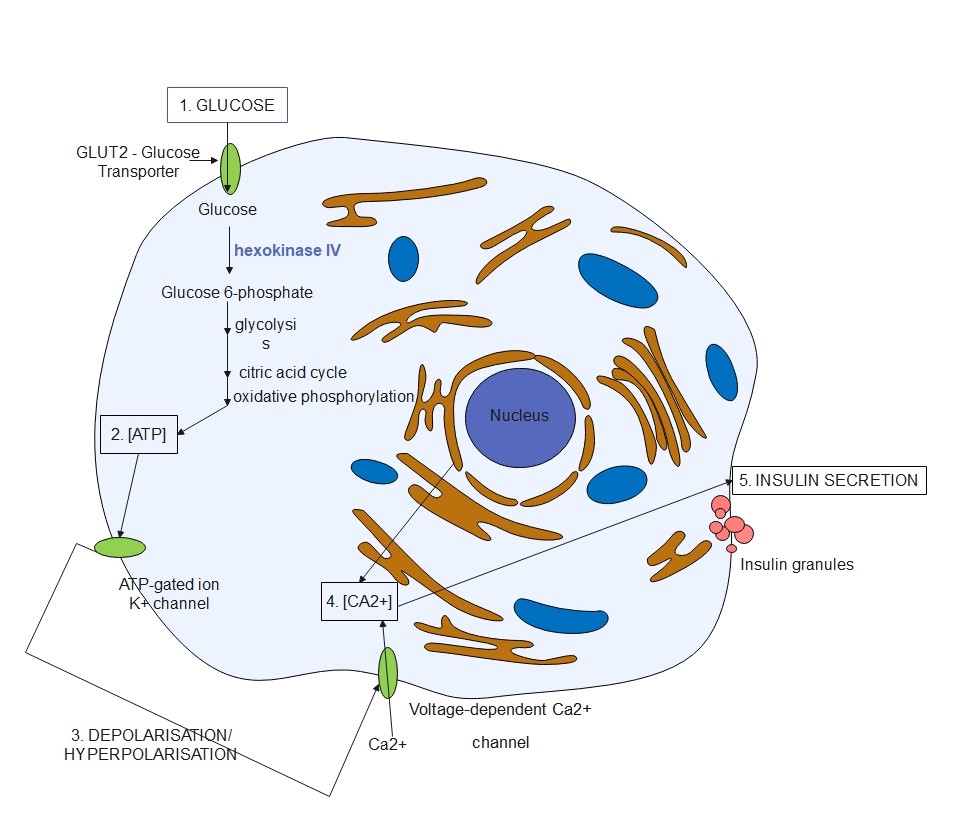
The cell uses specialized vesicles to manage waste and intake materials. Lysosomes contain digestive enzymes to break down waste, while pinocytotic vesicles help the cell ingest fluids. These systems are crucial for maintaining a clean and healthy cellular environment.
- Lysosome
- Pinocytotic vesicle
- Free ribosome
FAQs about this Template
-
What is the main function of the mitochondria in an animal cell?
The mitochondria are often called the powerhouses of the cell. Their primary role is to perform cellular respiration, which converts nutrients like glucose into energy. This energy is stored in a molecule called ATP. Without mitochondria, the animal cell would not have the necessary power to perform its vital biological functions, such as growth, movement, and division.
-
How does the cell membrane protect the animal cell?
The cell membrane acts as a semi-permeable barrier that surrounds the cell. It regulates the passage of substances, allowing nutrients to enter while keeping harmful materials out. This selective permeability ensures that the internal environment remains stable. Additionally, it provides structural support and facilitates communication between different cells, which is essential for the overall health of the organism.
-
What is the difference between smooth and rough endoplasmic reticulum?
The main difference lies in the presence of ribosomes. The rough endoplasmic reticulum is covered with ribosomes, making it appear bumpy. It focuses primarily on protein synthesis and folding. In contrast, the smooth endoplasmic reticulum lacks ribosomes and is involved in lipid production and detoxification. Both structures are connected and work together to transport materials throughout the cell's internal environment.

 (AI & Web)