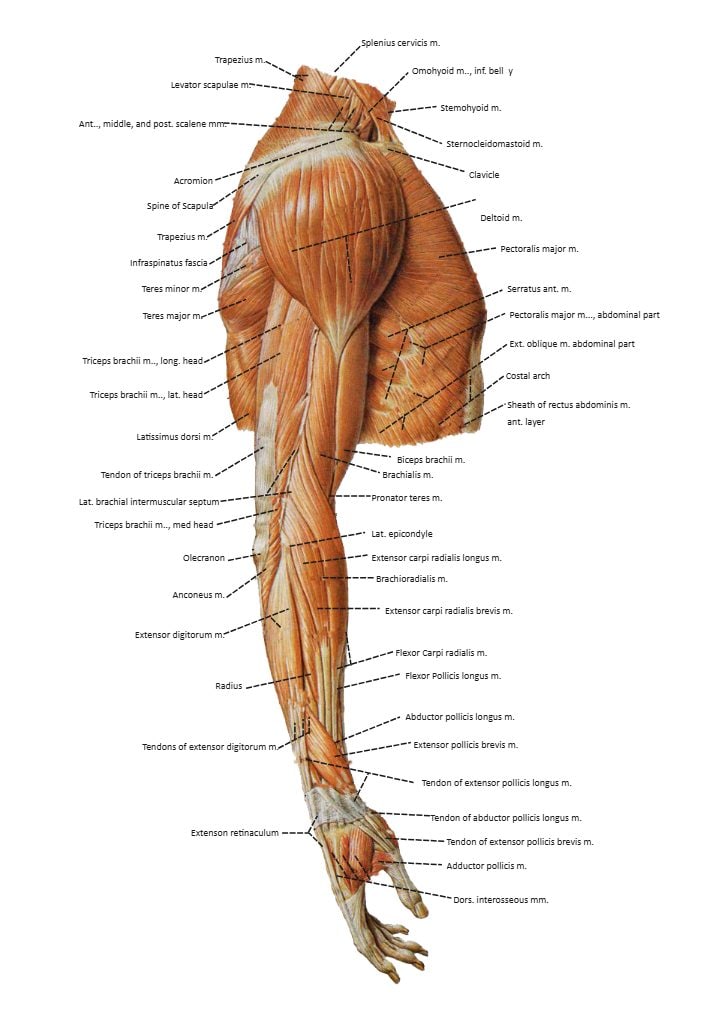
About Arm Muscle Diagram Template
This arm muscle diagram template shows how major upper-limb structures may be organized in one clear anatomical view. It helps users explain the topic more effectively by turning anatomy into a visual reference that is easier to compare and study.
Main muscle structures
The diagram appears to highlight the major arm-related muscle groups that define the topic. This matters because anatomy understanding often starts with clearly identifying the most important structures before reviewing how they relate across the limb.
- Helps explain the key upper-limb muscle structures
- Supports anatomy teaching and study review
- Useful for clearer educational explanation
Part relationships and organization
The visual arrangement also helps users review how the structures relate to one another instead of treating them as isolated labels. In anatomy diagrams, these relationships matter because structural understanding often depends on seeing arrangement and comparison clearly.
- Shows how the major parts are organized across the arm
- Supports anatomy comparison and interpretation
- Useful for learning beyond simple memorization
Study and teaching value
Beyond the structures themselves, the diagram helps users communicate the topic in a way that is easier to teach, revise, or present. This is useful because anatomy concepts often become much clearer when the structure is shown visually.
- Useful for study, teaching, and scientific presentation
- Supports clearer communication of anatomical structure
- Helps make the topic easier to explain and remember
FAQs about this Template
-
What is an arm muscle diagram?
An arm muscle diagram is a structured visual or planning reference used to organize a topic more clearly. It helps readers understand the main idea, relationships, or steps involved without relying only on long-form text explanation.
-
What should an arm muscle diagram include?
An arm muscle diagram should include the most important sections, labels, relationships, or checkpoints needed to explain the topic properly. The right content depends on the use case, but the structure should always improve clarity and make the subject easier to follow.
-
How do you create an arm muscle diagram?
To create an arm muscle diagram, define the purpose first, identify the main sections, and arrange them in a logical order. A good result should make the topic easier to explain, review, or present rather than simply filling space with generic blocks.
-
Why is an arm muscle diagram important?
An arm muscle diagram is important because it improves communication and understanding around a specific subject. A clear structure makes information easier to explain, compare, and apply, especially when the topic includes multiple parts or decision points.







 (AI & Web)