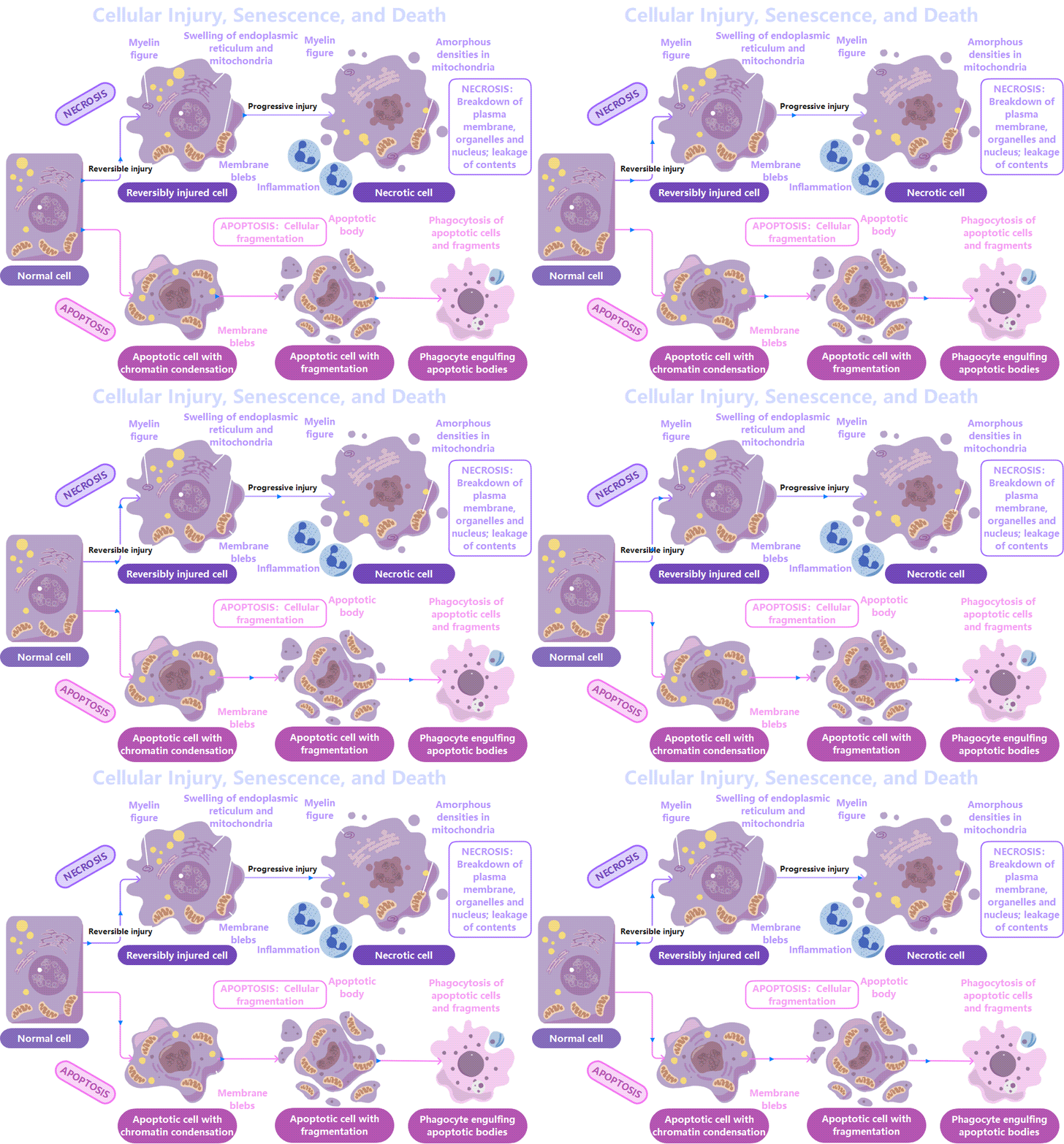
About this Apoptosis vs Necrosis Comparison template
This comparison template illustrates the distinct pathways of cell death. It contrasts programmed apoptosis with accidental necrosis. It highlights structural changes, membrane integrity, and the final disposal of cellular debris for educational clarity.
The Necrosis Pathway
Necrosis occurs after severe cellular injury that the cell cannot fix. This pathway involves uncontrollable swelling and accidental damage. Unlike programmed death, necrosis often triggers inflammation and causes significant harm to the surrounding tissue areas.
- Swelling of endoplasmic reticulum and mitochondria
- Formation of myelin figures and membrane blebs
- Breakdown of plasma membrane and organelles
- Leakage of cellular contents into surroundings
- Inflammation and amorphous densities in mitochondria
The Apoptosis Pathway
Apoptosis is a clean and controlled form of programmed cell death. The cell shrinks and breaks into small pieces called apoptotic bodies. This orderly process prevents the release of harmful substances into the nearby environment.
- Chromatin condensation within the nucleus
- Formation of membrane blebs and apoptotic bodies
- Orderly cellular fragmentation without leakage
- Phagocytosis of fragments by specialized cells
- Lack of inflammation in the surrounding tissue
FAQs about this Template
-
What is the main difference between apoptosis and necrosis?
Apoptosis is a planned, clean death that does not harm neighbors. The cell fragments into small, membrane-bound bodies that phagocytes quickly eat. In contrast, necrosis is messy and accidental. It involves the cell swelling and bursting. This rupture releases toxic enzymes and internal contents, which triggers a painful inflammatory response in the surrounding healthy tissue.
-
Why does necrosis cause inflammation while apoptosis does not?
Necrosis causes inflammation because the cell membrane breaks apart suddenly. This rupture spills internal enzymes and proteins into the space between cells. The immune system views these leaked materials as danger signals. In apoptosis, the membrane stays intact while the cell breaks into small pieces. Since nothing leaks out, the immune system is not alerted, and inflammation never occurs.
-
Can a cell recover from the early stages of injury shown in necrosis?
Yes, a cell can sometimes recover if the injury is mild or temporary. The template shows a stage called reversible injury. During this phase, the cell might swell or show small changes. If the stress is removed quickly, the cell returns to its normal state. However, if the injury is too severe or lasts too long, it becomes irreversible necrosis.

 (AI & Web)