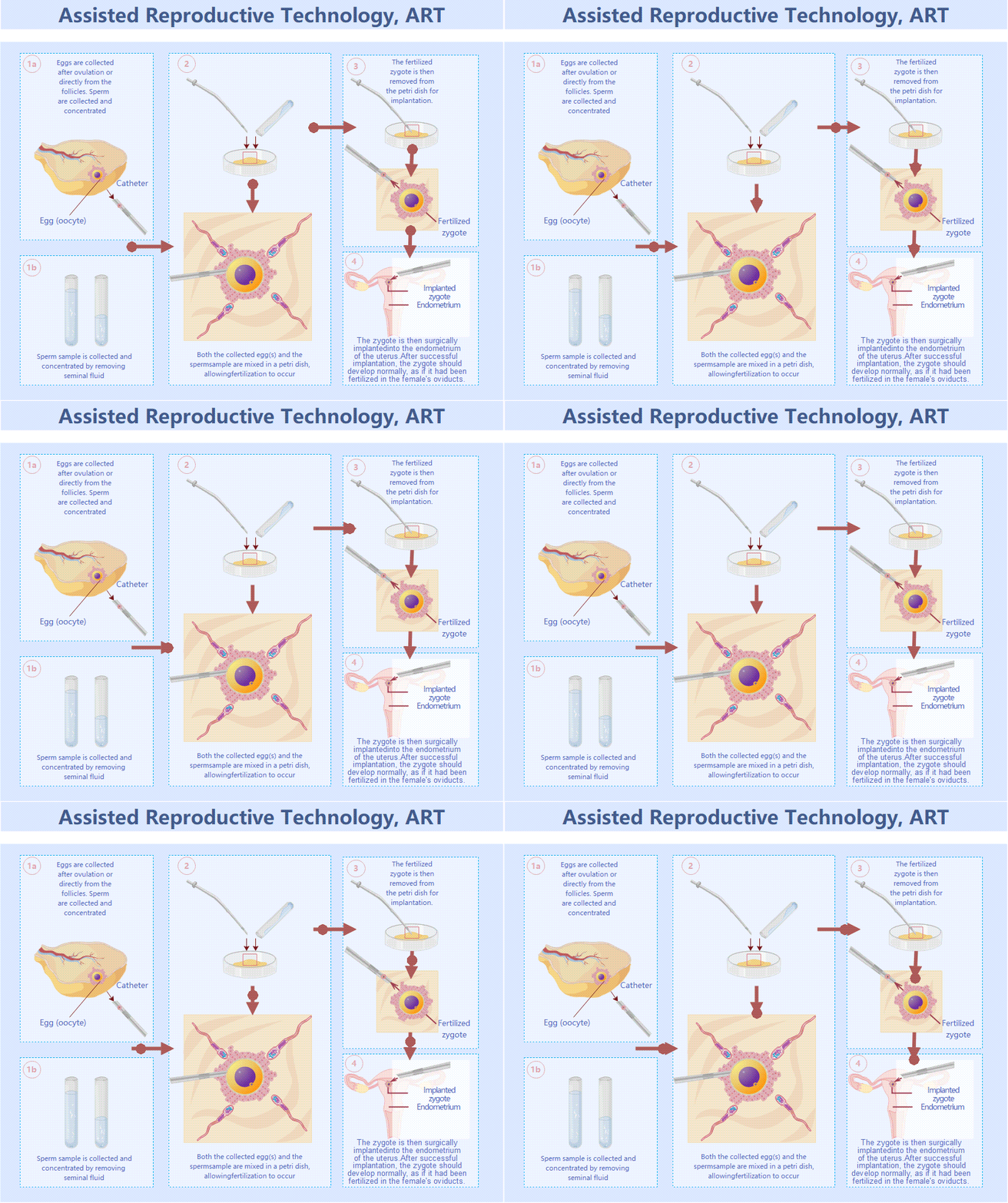
About the assisted reproductive technology
This template provides a clear visual guide to the major stages of ART. It is useful for medical professionals and students who need to explain complex fertility treatments to patients or peers.
Initial Collection of Gametes
The first stage involves gathering the necessary biological components for fertilization. Doctors retrieve eggs from the follicles while sperm is carefully concentrated to ensure the highest quality samples are used for the following steps.
- Egg collection from follicles
- Sperm sample concentration
- Removal of seminal fluid
- Catheter usage for precision
Laboratory Fertilization Process
Once the samples are prepared, they are combined within a controlled laboratory environment. This step simulates the natural fertilization process by allowing the sperm to interact with the egg inside a sterile petri dish.
- Mixing eggs and sperm
- Petri dish environment
- Controlled fertilization
- Zygote formation monitoring
Implantation and Pregnancy Support
After successful fertilization, the resulting zygote is carefully removed for the final phase. It is surgically implanted into the uterine endometrium, where it should develop naturally into a healthy fetus over the coming months.
- Zygote removal from dish
- Surgical uterine implantation
- Endometrium attachment
- Normal fetal development
FAQs about this Template
-
What are the primary types of assisted reproductive technology?
The most common types of ART include In-Vitro Fertilization (IVF), Gamete Intrafallopian Transfer (GIFT), and Zygote Intrafallopian Transfer (ZIFT). IVF is the most widely used method, where fertilization occurs outside the body. These techniques help overcome various fertility issues, such as blocked tubes or low sperm counts, giving patients a much better chance of conceiving a child successfully.
-
How does the implantation process work in ART?
After fertilization occurs in a lab setting, the resulting embryo or zygote is transferred into the woman's uterus. A thin catheter is used to place the zygote directly into the endometrium. If the embryo attaches successfully to the uterine lining, pregnancy begins. This critical step requires precision and timing to ensure the environment is optimal for the developing life to thrive.
-
Who typically benefits from using ART treatments?
ART is beneficial for individuals or couples facing infertility due to various medical reasons. This includes women with damaged fallopian tubes, men with low sperm motility, or people with unexplained fertility issues. Additionally, ART supports same-sex couples and single individuals who wish to become parents. It provides a scientific pathway to overcome biological barriers that would otherwise prevent natural conception from occurring.

 (AI & Web)