About this Autophagy process template
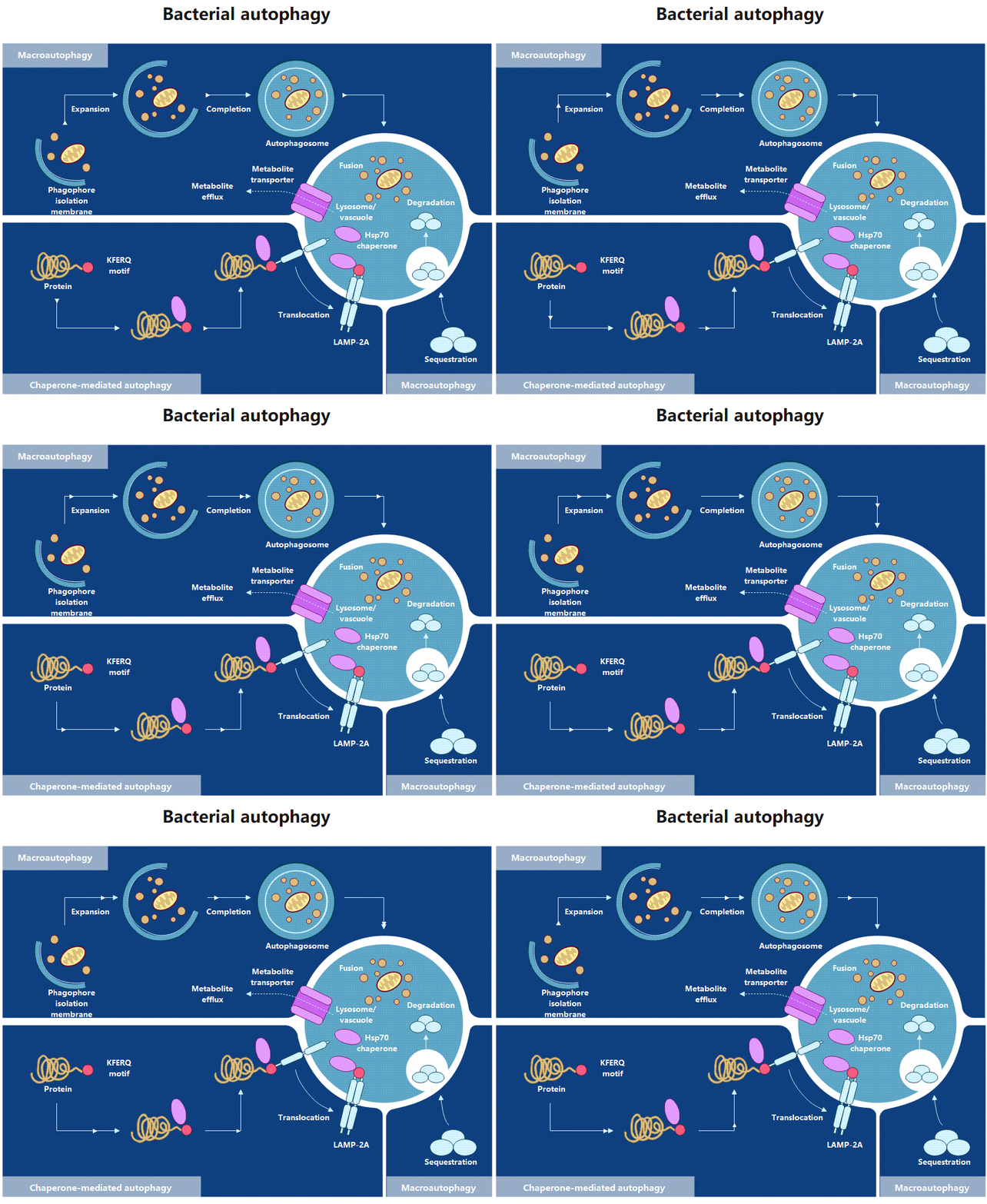
This template provides a clear visual breakdown of how cells recycle waste. It covers both macroautophagy and chaperone-mediated paths. Use this diagram to study the complex steps of cellular cleaning and waste management in biological systems.
The Macroautophagy Pathway
Macroautophagy is the main pathway for degrading large cellular structures. It involves creating a double-membrane vesicle that captures cytoplasmic materials. This process is essential for cell survival during starvation and helps eliminate invasive bacteria effectively.
- Phagophore isolation membrane formation
- Membrane expansion around cellular cargo
- Completion of the autophagosome
- Fusion with the lysosome or vacuole
- Enzymatic degradation of contents
- Metabolite efflux through transporters
Chaperone-Mediated Autophagy (CMA)
Chaperone-mediated autophagy is a highly selective process for protein degradation. It uses specific chaperones to identify proteins with a unique motif. These proteins are then moved directly across the lysosomal membrane for breakdown without forming vesicles.
- Recognition of the KFERQ motif on proteins
- Binding of the Hsp70 chaperone
- Targeting the protein to the lysosome
- Translocation through the LAMP-2A channel
- Internal degradation within the lysosome
FAQs about this Template
-
What is the main purpose of the autophagy process in cells?
Autophagy serves as the cell's internal recycling system. It identifies damaged or unnecessary parts like old proteins and dysfunctional organelles. By breaking these down, the cell gains essential nutrients and energy to survive during stress. This process is vital for maintaining cellular balance, preventing the buildup of toxic waste, and protecting the body against various age-related diseases and infections.
-
How does macroautophagy differ from chaperone-mediated autophagy?
Macroautophagy is a non-selective process that uses a double-membrane vesicle called an autophagosome to engulf large portions of cytoplasm. In contrast, chaperone-mediated autophagy is highly specific. It targets individual proteins containing a specific KFERQ motif. While macroautophagy swallows its targets whole, chaperone-mediated autophagy moves proteins one by one through specialized membrane channels like LAMP-2A directly into the lysosome for degradation.
-
Why is the lysosome important in the autophagy cycle?
The lysosome acts as the final destination and disposal unit for the autophagy process. It contains powerful digestive enzymes that can break down almost any biological material. Once the autophagosome or a specific protein enters the lysosome, these enzymes dismantle the cargo into basic building blocks like amino acids. These materials are then released back into the cell to be reused for building new structures.

 (AI & Web)