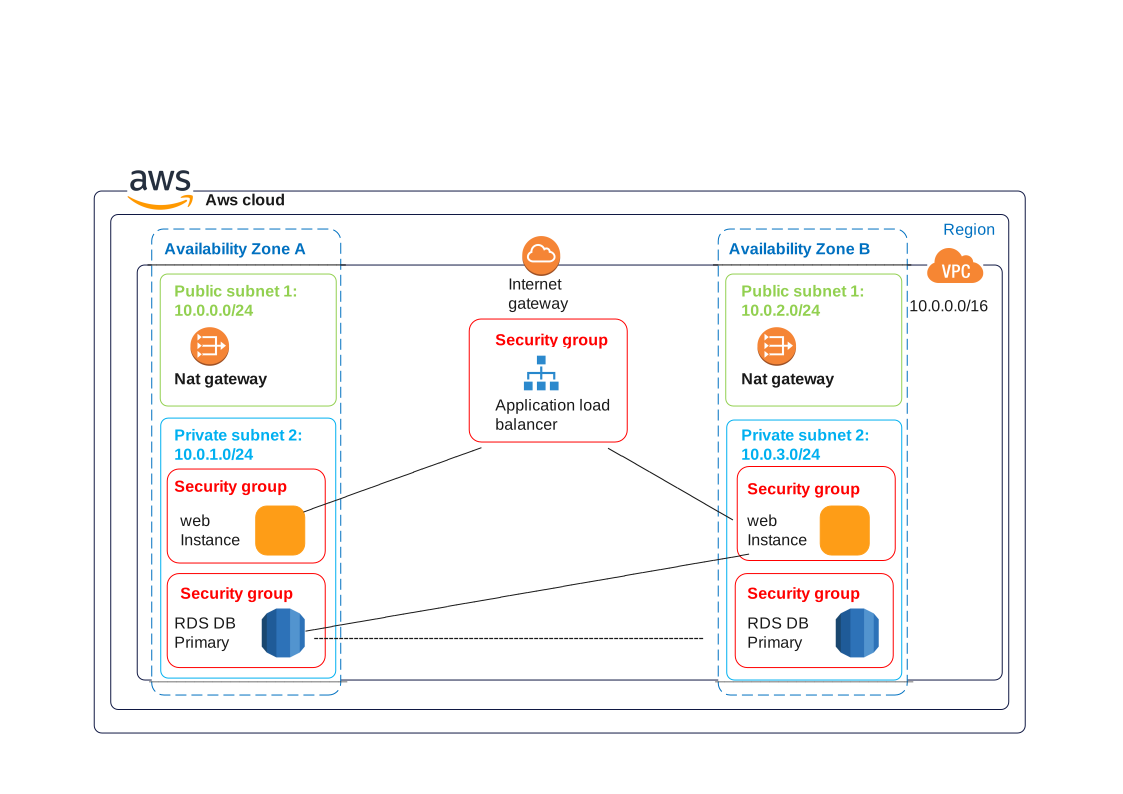
About this AWS Cloud Infrastructure
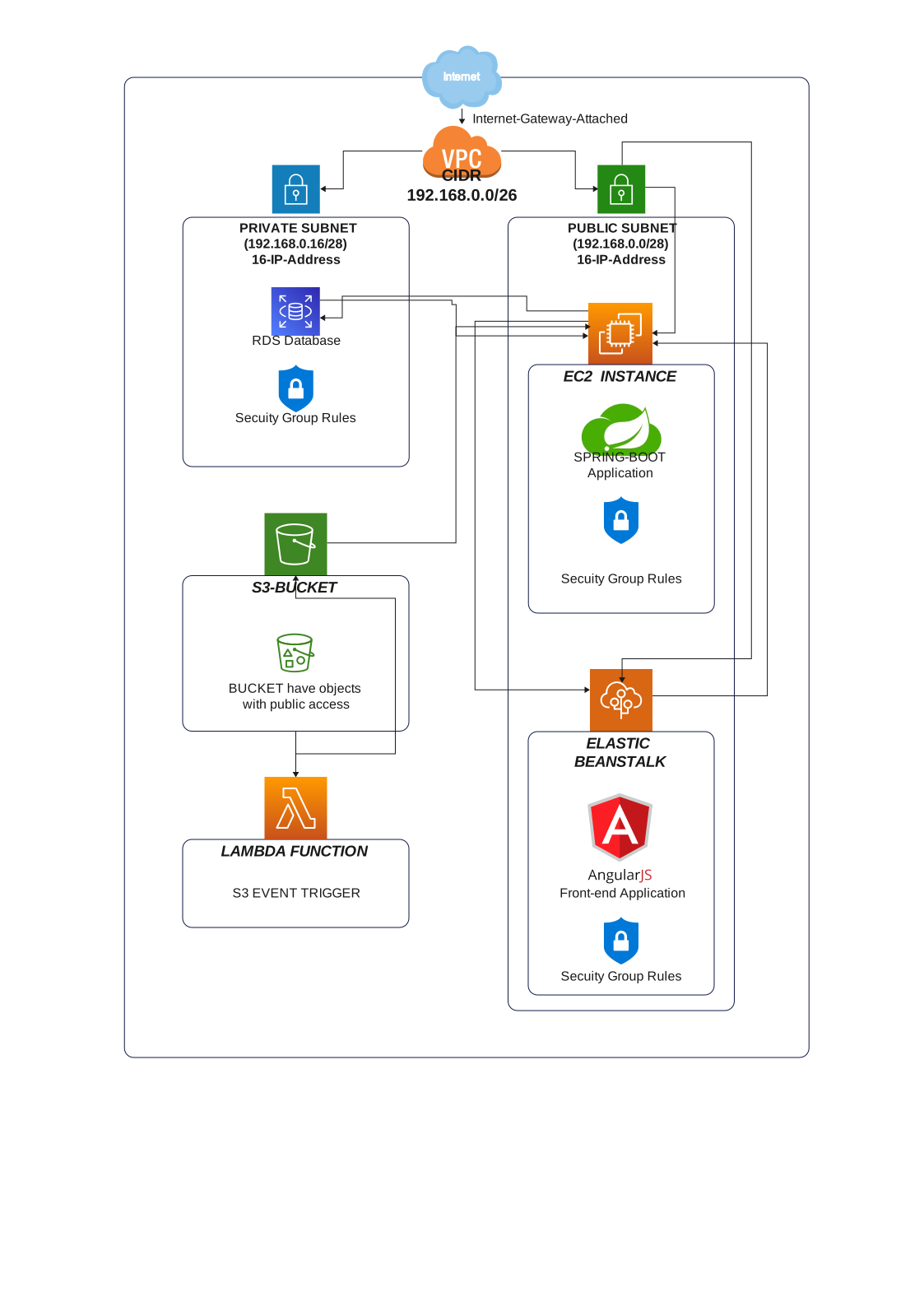
This template presents an AWS infrastructure view that separates entry access, infrastructure services, network boundaries, and supporting platform components into a structure that is easier to review and explain.
Access and Client Layer
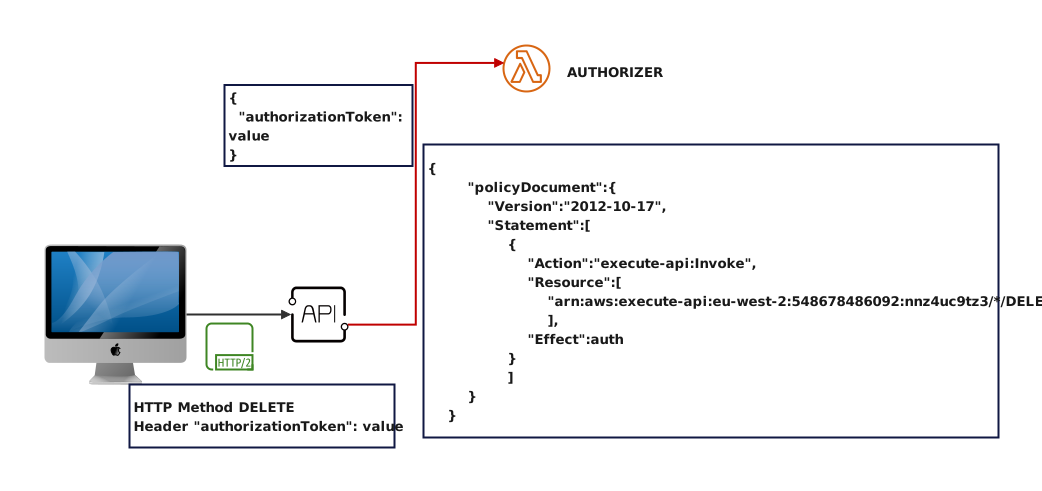
This layer represents the outside-facing access path where users or connected systems first interact with the environment.
Application and Service Layer
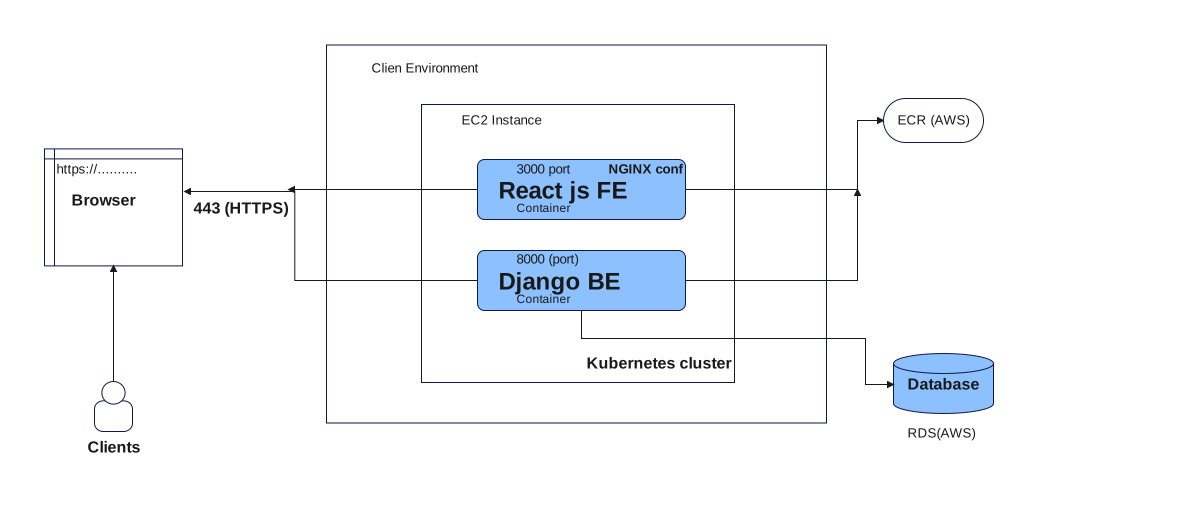
This section groups the running infrastructure services that process traffic and provide the main technical capabilities of the environment.
Network and Control Boundary
This part highlights the boundaries that manage routing, segmentation, and controlled movement between different parts of the AWS setup.
Platform Components
This area covers the shared platform resources that support operations, monitoring, deployment, or infrastructure management.
FAQs about this Template
-
What should someone notice first on this AWS Cloud Infrastructure?
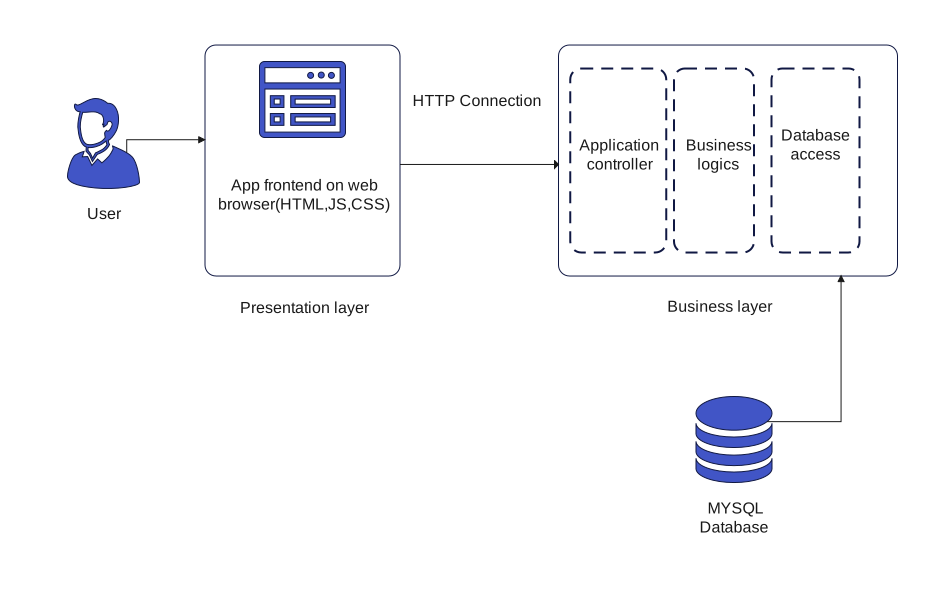
The first thing to notice is how the cloud layers are divided—entry points, hosted services, storage, controls, and supporting platform elements. That high-level structure explains the shape of the system before the reader focuses on individual provider services.
-
Why are the main layers separated in a cloud architecture diagram?
They are separated so readers can distinguish access, runtime, data, and control responsibilities instead of seeing one undifferentiated list of services. That separation makes the deployment logic easier to discuss during planning, review, or onboarding.
-
How is a cloud architecture diagram different from a context or process diagram?
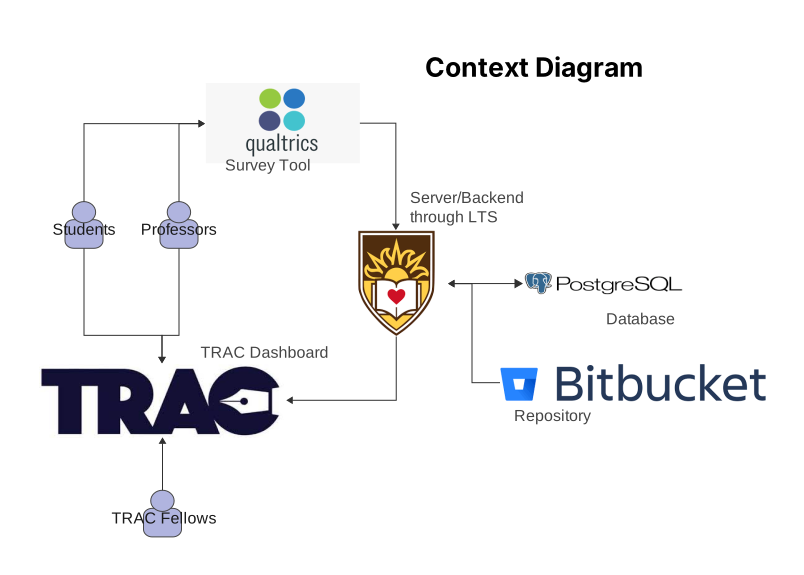
A cloud architecture diagram focuses on the technical organization of the hosted environment, while a context diagram focuses on outside relationships and a process diagram focuses on step-by-step flow. Each type answers a different question about the same system.
-
When is this kind of cloud template most useful?
It is most useful when teams need to explain service placement, platform responsibilities, or the relationship between runtime, storage, and control layers at a glance. That makes it a strong starting point for design discussion before implementation details are added.

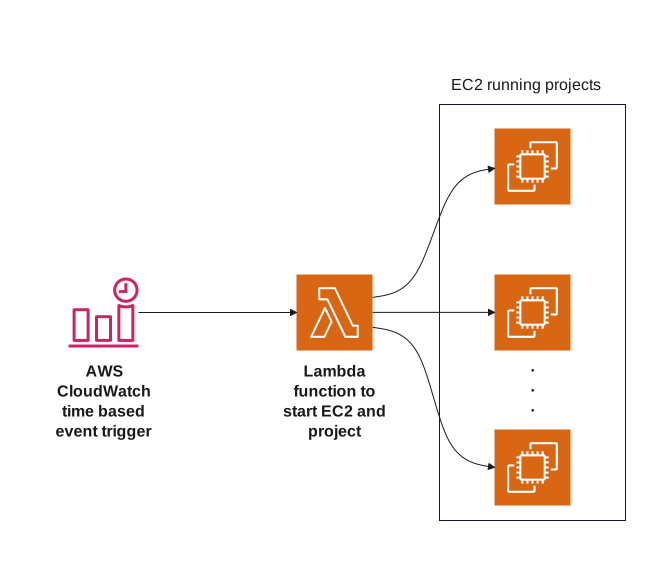
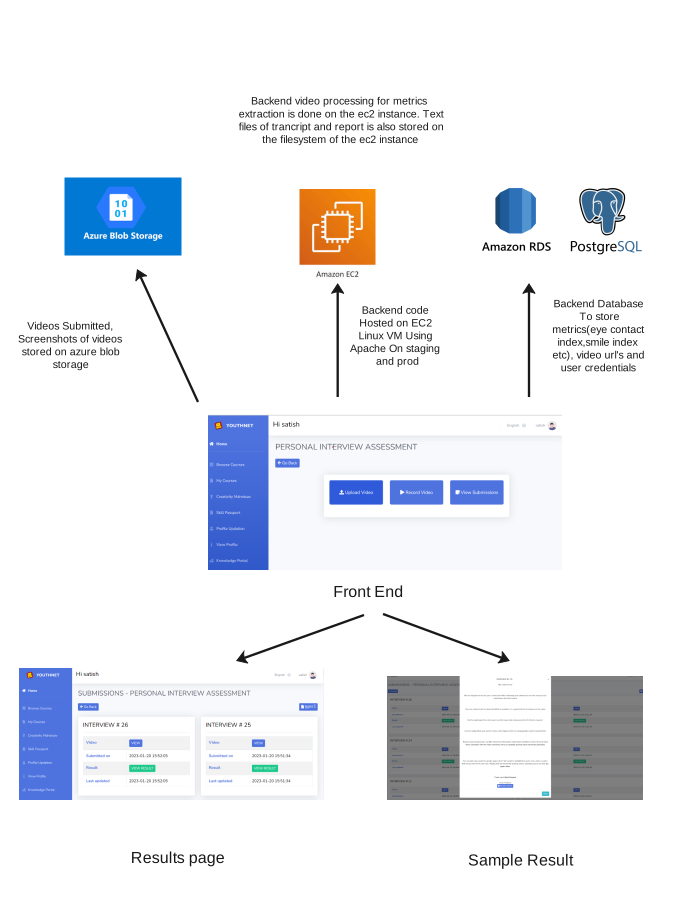
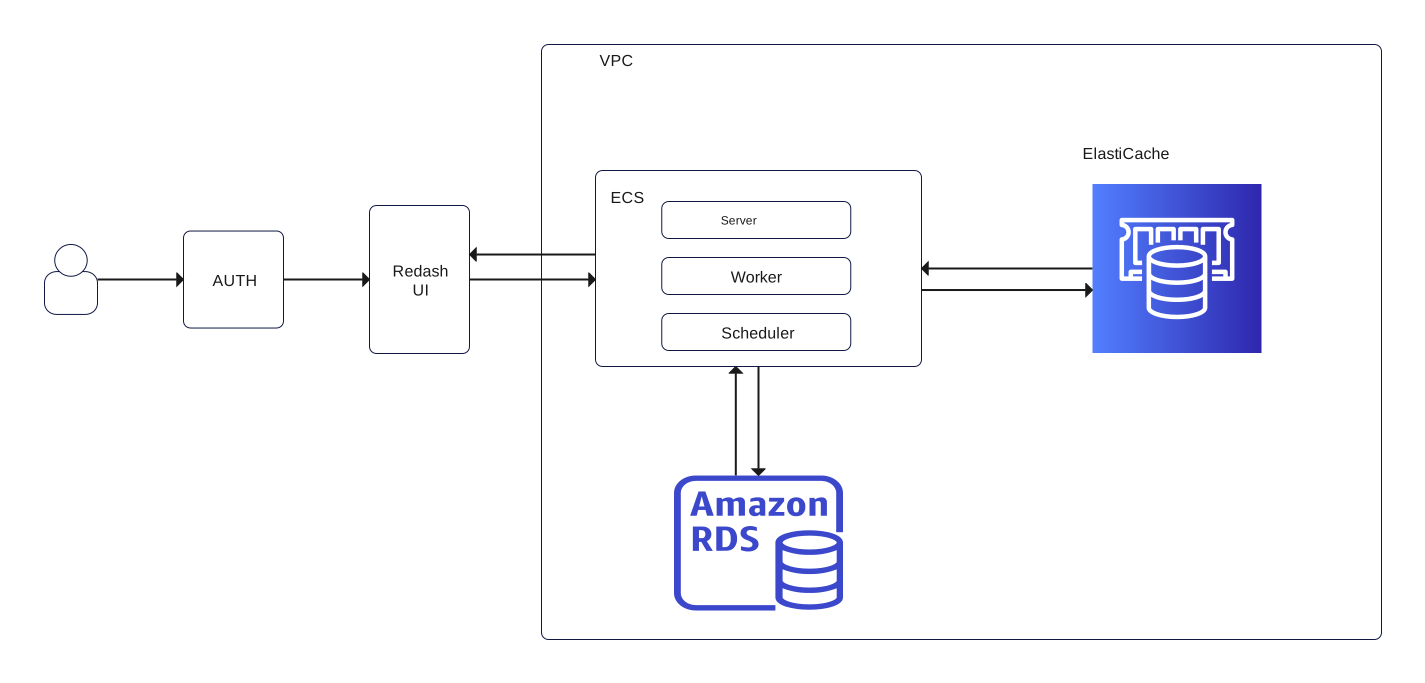


 (AI & Web)