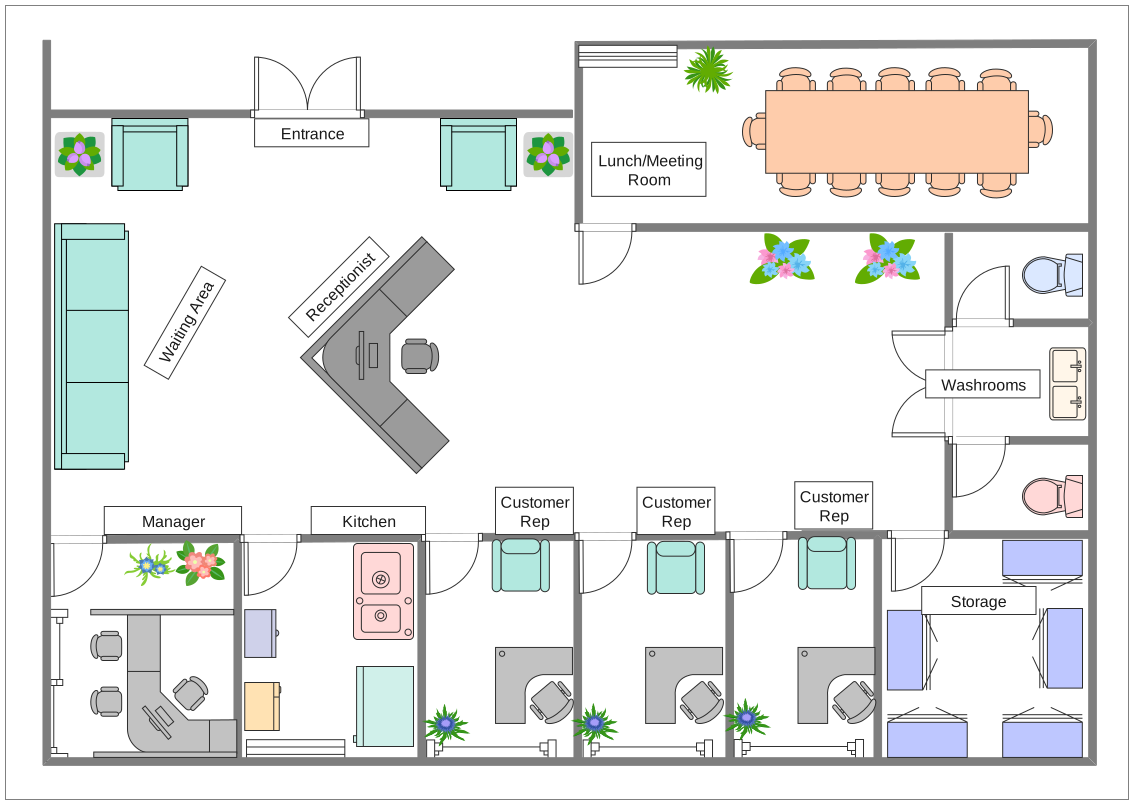
About Crawford Office Layout Template
This crawford office layout shows how spaces such as Receptionist and Waiting Area are arranged across one office floor. It helps users review zoning, circulation, and how different functions connect in the same plan.
Named rooms and functional zones
This crawford office layout gains most of its value from the labeled workplace zones. Areas such as Receptionist and Waiting Area show how the floor divides visitor-facing functions, staff work areas, and support space.
- Receptionist
- Waiting Area
How the main spaces support each other
The layout also shows whether front-of-house, leadership, team, and support functions are placed in a practical relationship. When spaces such as Customer Rep and Manager are positioned well, the office reads as a usable workflow instead of isolated rooms.
- Customer Rep
- Manager
Movement, access, and circulation
Movement is a major part of whether an office layout actually works. Entrances, internal corridors, and open circulation space need to support visitors, staff communication, and access to shared rooms without creating awkward crossings.
FAQs about this Template
-
What does this Crawford Office Layout Template help users evaluate first?
It helps users evaluate how the main rooms are arranged, which spaces are grouped together, and whether movement through the plan feels logical. When the layout includes labels such as Receptionist and Waiting Area, it becomes easier to judge adjacency, zoning, and daily usability.
-
Why does room adjacency matter in a crawford office layout?
Room adjacency matters because visitor areas, team space, management zones, and shared rooms all affect one another. A layout becomes much easier to use when the spaces that need frequent interaction sit close together, while functions that need privacy or separation are kept in the right part of the floor.
-
How do support spaces improve the value of this crawford office layout?
Support spaces explain how the main rooms actually function. Areas for waiting, storage, equipment, meetings, utilities, or staff use often determine whether the central rooms can operate smoothly. Including those supporting zones makes the plan much more useful for real decision-making than a bare room outline.
-
What should be checked before adapting this crawford office layout to a real site?
Check whether the labeled rooms, headcount assumptions, visitor flow, and shared facilities match the real workplace. The template provides structure, but the final plan should reflect actual teams, access needs, and circulation patterns rather than treating every office as if it works the same way.



 (AI & Web)