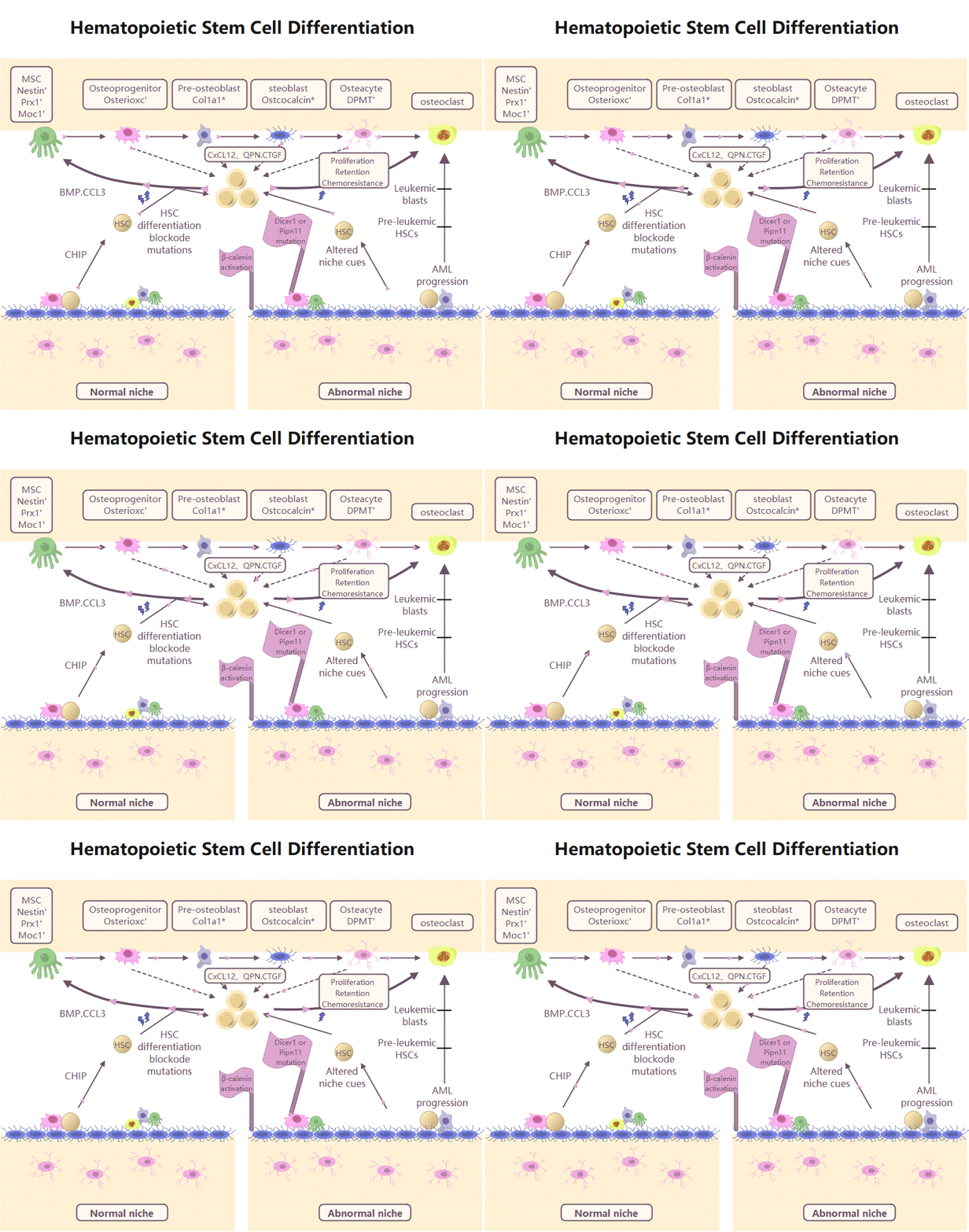
About the Hematopoietic Stem Cell Differentiation
This template provides a clear visual map of blood cell development. It highlights the complex interactions between stem cells and their environment. Users can explore both healthy pathways and the disruptive changes caused by genetic mutations. It serves as an essential tool for education and research.
Normal Niche Cell Lineages
The normal niche contains specialized cells that support healthy blood growth. These cells provide structural and chemical cues for stem cells. Proper interaction ensures a steady supply of red cells, white cells, and platelets every day.
- MSC (Nestin+, Prx1+, Moc1+)
- Osteoprogenitor (Osterix+)
- Pre-osteoblast (Col1a1+)
- Osteoblast (Osteocalcin+)
- Osteocyte (DPMT+)
- Osteoclast
Regulatory Signaling Molecules
Signals like CXCL12 and BMP regulate how stem cells behave in the marrow. These molecules control cell retention and movement into the blood. Maintaining this balance is vital for a functional immune system and a healthy body.
- CXCL12 Signaling
- QPN and CTGF Proteins
- BMP and CCL3 Growth Factors
- Cell Proliferation and Retention
- Chemoresistance Mechanisms
Abnormal Niche and AML Progression
Genetic mutations can transform a healthy niche into a diseased state. This abnormal environment blocks normal cell maturation and promotes cancer growth. This process eventually leads to the development of Acute Myeloid Leukemia in the patient.
- CHIP and Blockade Mutations
- beta-catenin Activation
- Dicer1 or Ptpn11 Mutations
- Altered Niche Cues
- Pre-leukemic HSCs
- AML Progression
FAQs about this Template
-
How does the bone marrow niche influence hematopoietic stem cell differentiation?
The bone marrow niche acts as a protective environment for stem cells. It provides physical support and chemical signals that regulate cell life. These signals decide whether a stem cell stays quiet, divides, or matures into a blood cell. A healthy niche ensures the body always has enough blood cells to function properly and fight off infections successfully.
-
What happens when the hematopoietic niche becomes abnormal?
An abnormal niche often results from genetic mutations in supporting cells or the stem cells themselves. This diseased environment stops sending the correct growth signals. Instead, it may promote the survival of cancer cells or block healthy cells from maturing. This disruption is a primary driver for blood disorders like myelodysplastic syndrome and the eventual development of leukemia.
-
What is the role of CXCL12 in the hematopoietic stem cell environment?
CXCL12 is a critical chemokine that helps stem cells stay inside the bone marrow niche. It acts like a biological anchor for cells expressing the CXCR4 receptor. When this signaling is healthy, it maintains a pool of reserve stem cells. If this pathway is disrupted, stem cells may leave the marrow prematurely or fail to produce mature blood cells correctly.

 (AI & Web)