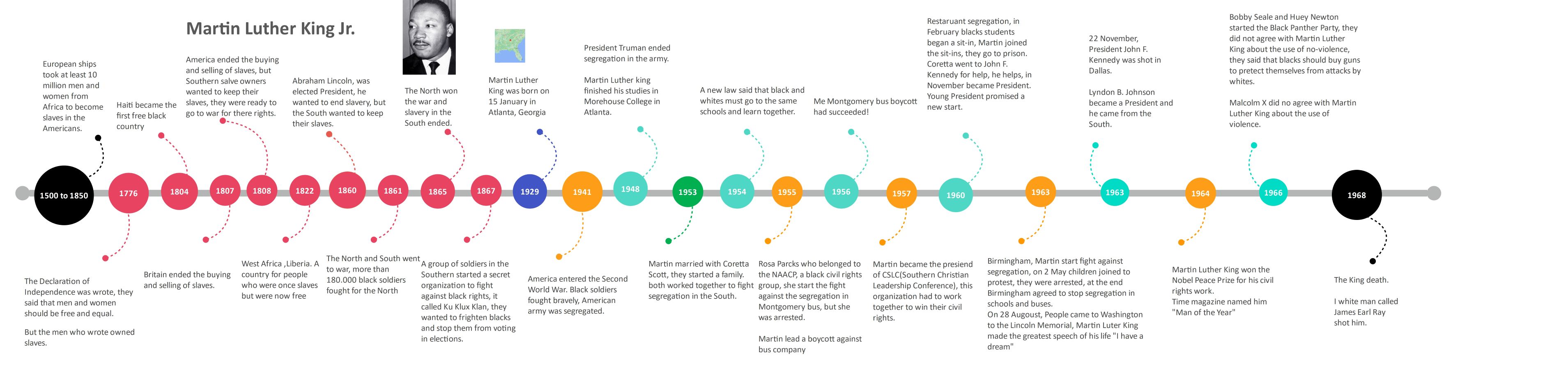
About this Martin Luther King Jr. template
This timeline template provides a detailed visual history of Dr. King's life and the broader civil rights context. It helps students and educators track the evolution of the movement from early slavery to the heights of the 1960s struggle.
Pre-Civil War and Slavery Era (1500-1860)
This section outlines the early history of slavery in the Americas. It highlights the long struggle for freedom that began centuries before Dr. King was born. These events set the stage for later legal battles.
- European ships bring millions from Africa to America
- The Declaration of Independence declares all men equal
- Haiti becomes the first free black country
- Britain and America end the buying and selling of slaves
- Abraham Lincoln is elected President to end slavery
Civil War and the Birth of MLK (1861-1941)
This period covers the violent conflict that ended slavery in the United States. It also marks the birth of Martin Luther King Jr. in Atlanta. He grew up during a time of intense legal segregation.
- The North and South go to war over slavery
- 180,000 black soldiers fight for the Union
- Slavery ends after the North wins the war
- Martin Luther King Jr. is born in 1929
- The American army remains segregated during World War II
Education and Early Leadership (1948-1956)
MLK focused on his education and started his family during these years. He also rose to national fame by leading the Montgomery bus boycott. This victory proved that peaceful protests could change unfair laws effectively.
- President Truman ends segregation in the military
- MLK finishes his studies at Morehouse College
- MLK marries Coretta Scott and starts a family
- Rosa Parks is arrested for refusing to move
- The Montgomery bus boycott ends in a major success
The Peak of the Movement (1957-1964)
During this era, Dr. King led many influential protests across the South. He gave his famous speech in Washington and received global honors. These years represent the most productive time for civil rights legislation.
- MLK becomes the president of the SCLC organization
- Black students join sit-ins and face arrests
- MLK delivers the 'I Have a Dream' speech
- President Kennedy is assassinated in Dallas
- MLK wins the Nobel Peace Prize for his work
Final Years and Legacy (1966-1968)
The final years of Dr. King's life were marked by rising tensions and new activist groups. His tragic death shocked the world but solidified his legacy. His work continues to inspire people fighting for human rights globally.
- The Black Panther Party is started by Seale and Newton
- Malcolm X disagrees with the use of non-violence
- MLK continues to fight against segregation and poverty
- James Earl Ray assassinates Dr. King in 1968
- The world mourns the loss of a great leader
FAQs about this Template
-
What was the significance of the Montgomery bus boycott?
The Montgomery bus boycott was a major turning point for civil rights. It started after Rosa Parks was arrested for refusing to give up her seat. Martin Luther King Jr. led the protest for over a year. The boycott was successful and led to a Supreme Court ruling against bus segregation. This victory proved that non-violent action could create real change.
-
How did Dr. King's philosophy of non-violence work?
Dr. King believed that non-violence was the most powerful weapon for oppressed people. He was inspired by the teachings of Gandhi and Christian values. This approach involved peaceful protests, marches, and sit-ins to highlight injustice. By refusing to fight back physically, activists gained moral authority. This strategy won the sympathy of the public and pressured the government to change laws.
-
What major awards did Martin Luther King Jr. receive?
Dr. King received several prestigious honors for his civil rights work. In 1963, Time magazine named him the 'Man of the Year' for his leadership. One year later, he was awarded the Nobel Peace Prize in Norway. He was the youngest person at that time to receive the award. These honors helped bring international attention to the struggle for equality in America.

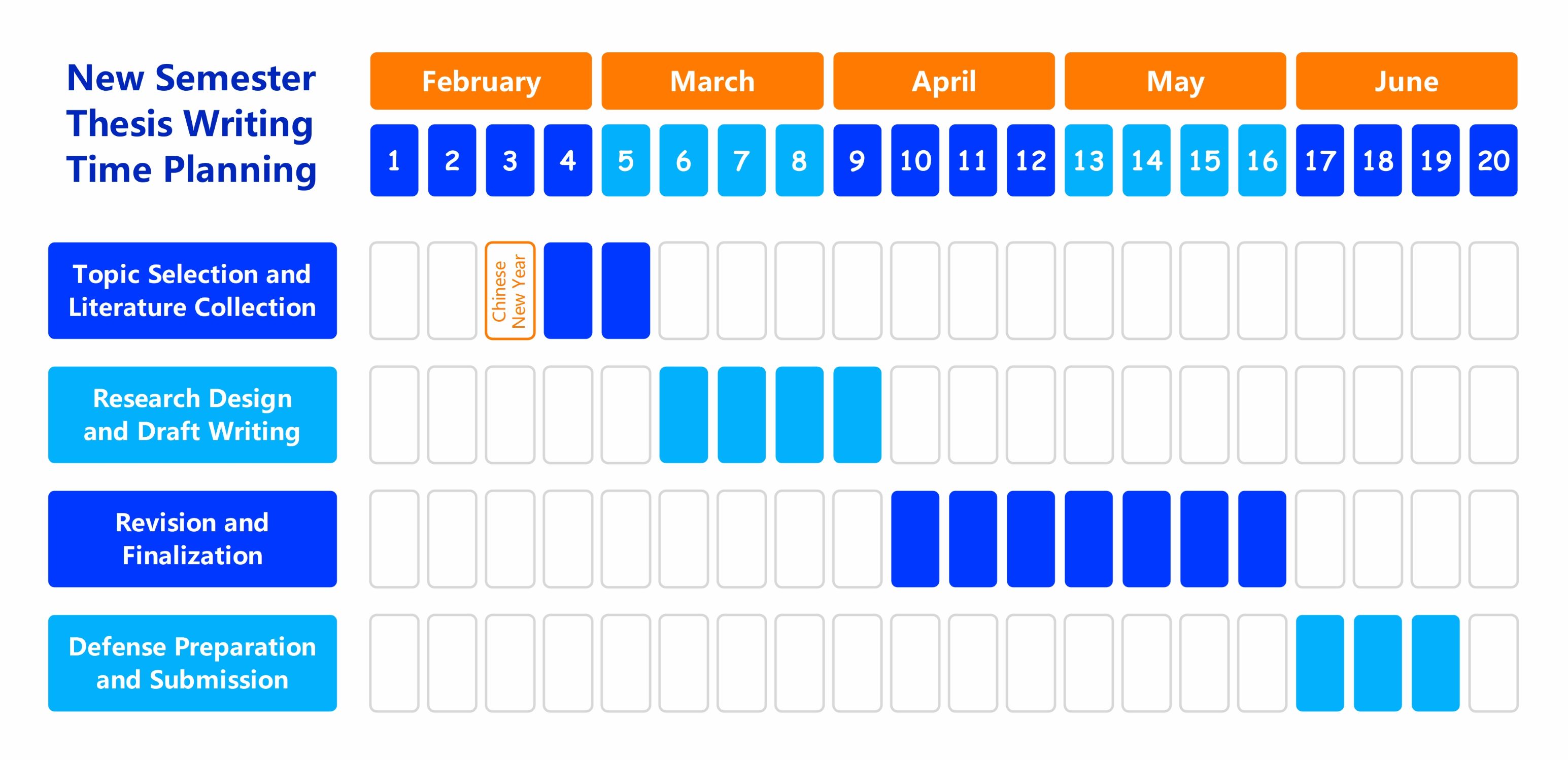
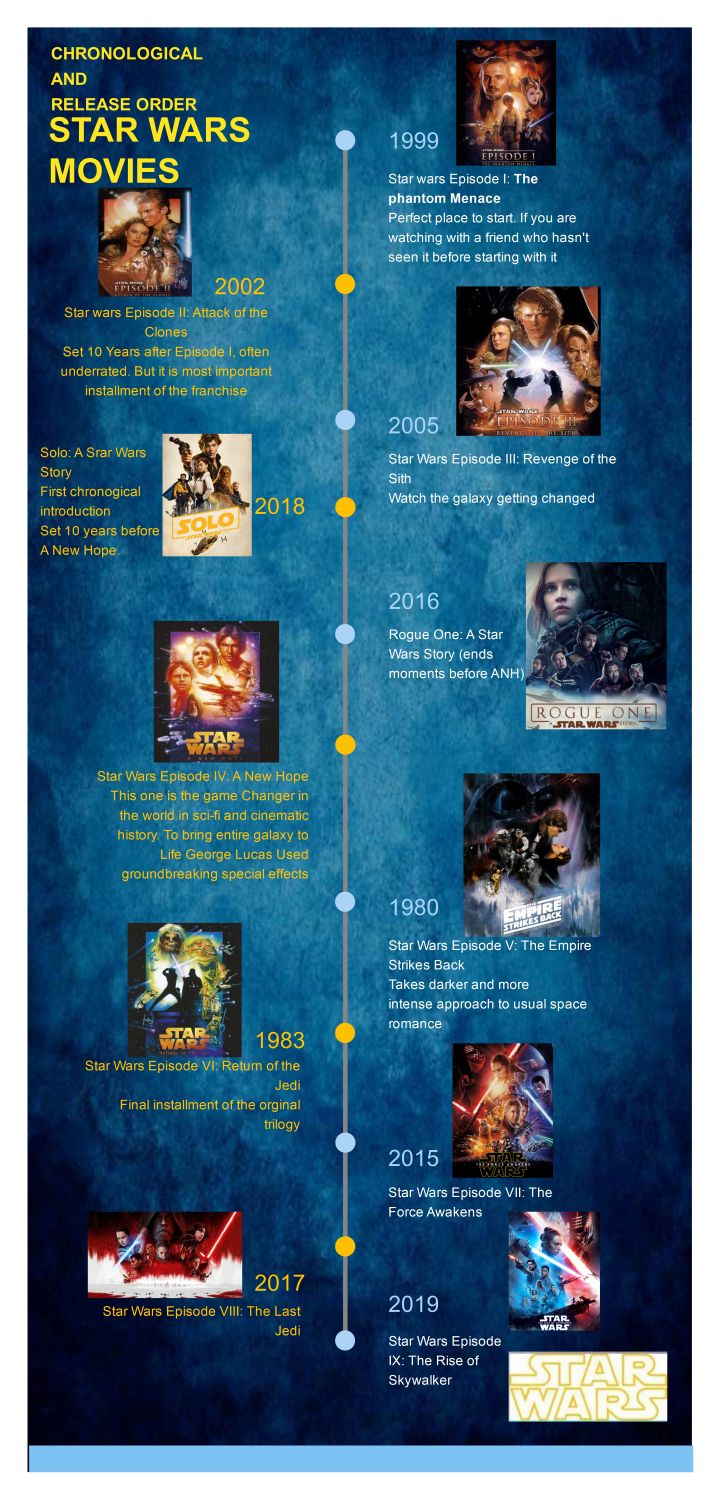
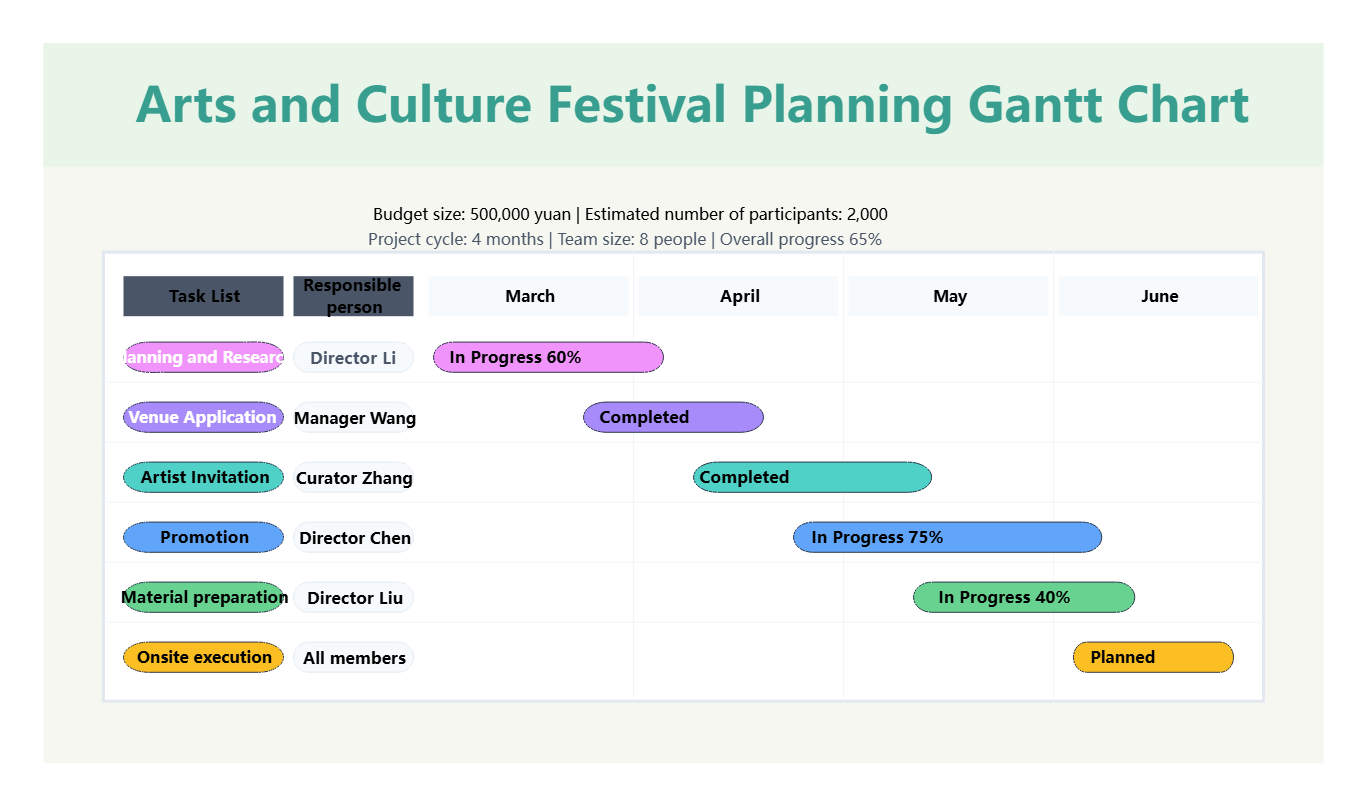
 (AI & Web)