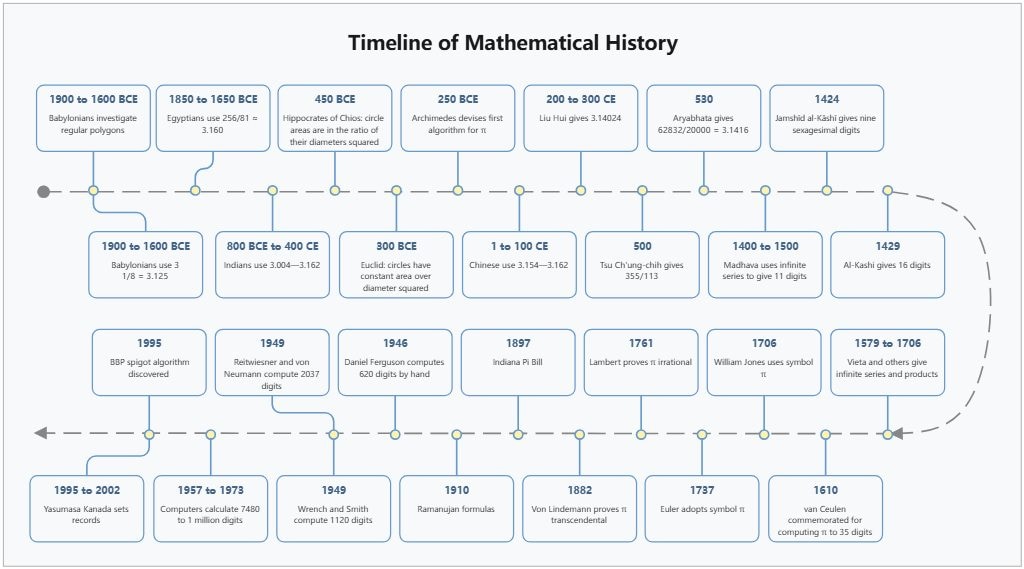
About History of Mathematics Timeline Infographic Template
This history of mathematics timeline infographic template turns information into a more visual and engaging layout, making important facts, milestones, or steps easier to understand.
Core topic overview
The design highlights the central theme first, so readers can quickly understand what the infographic or timeline is about.
- It is a visual content template that uses layout, icons, color, and grouped information to explain a topic more clearly than plain text alone
- Infographics and timelines improve readability, help readers remember key points, and make summaries more engaging for teaching or presentation
- Yes
Key facts or milestones
Each section can present a major point, date, or concept in a way that feels easier to scan than plain paragraphs.
- Supports clearer explanation of the main topic
- Makes the structure easier to scan and discuss
- Can be edited for teaching, planning, or presentation
Teaching and presentation value
This format works well for classrooms, social content, posters, and summaries that need to be clear, visual, and memorable.
- Useful for visual communication
- Easy to adapt to different scenarios
- Helps turn complex content into a cleaner page asset
FAQs about this Template
-
What should a history of mathematics timeline infographic include?
A history of mathematics timeline infographic should include the main goals, stages, owners, deadlines, and review points needed to keep execution clear. Depending on the topic, it may also include dependencies, approval steps, budget issues, or checkpoints that support follow-through.
-
How do you create a history of mathematics timeline infographic?
To create a history of mathematics timeline infographic, define the objective first, then break the work into clear actions, timeline blocks, and responsible roles. A strong plan should make execution visible, keep priorities realistic, and show how progress will be reviewed over time.
-
Why is a history of mathematics timeline infographic important?
A history of mathematics timeline infographic is important because it turns a broad goal into actionable steps. It helps people coordinate work, reduce missed tasks, and understand timing better, especially when multiple teams, dependencies, or review stages are involved.
-
What is the difference between a history of mathematics timeline infographic and a general schedule?
A history of mathematics timeline infographic is usually tied to a more specific objective, workflow, or reporting logic, while a general schedule may only show timing. The difference is that a focused plan explains not just when work happens, but what happens and how it is tracked.

 (AI & Web)