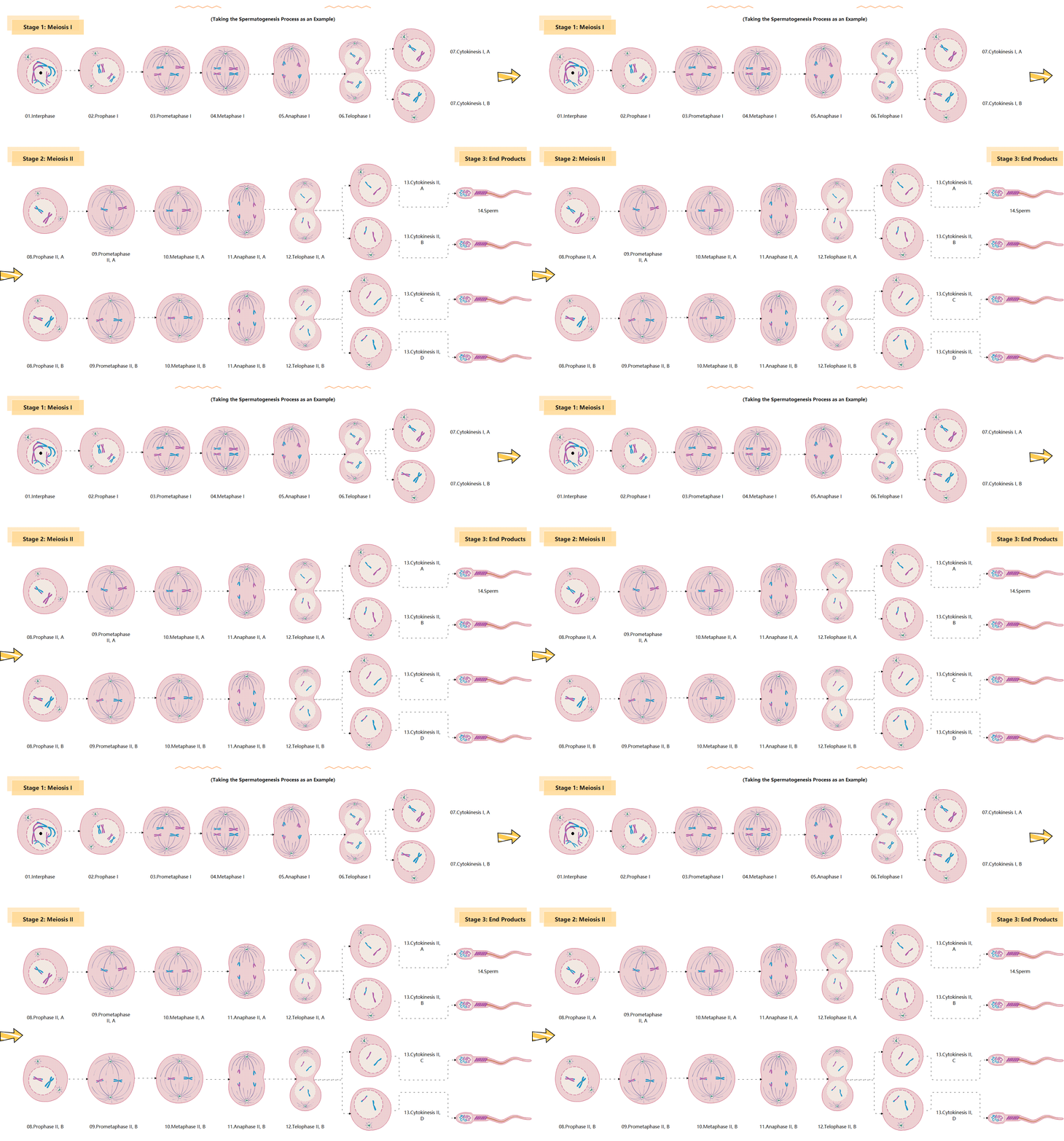
About meiosis diagram stages
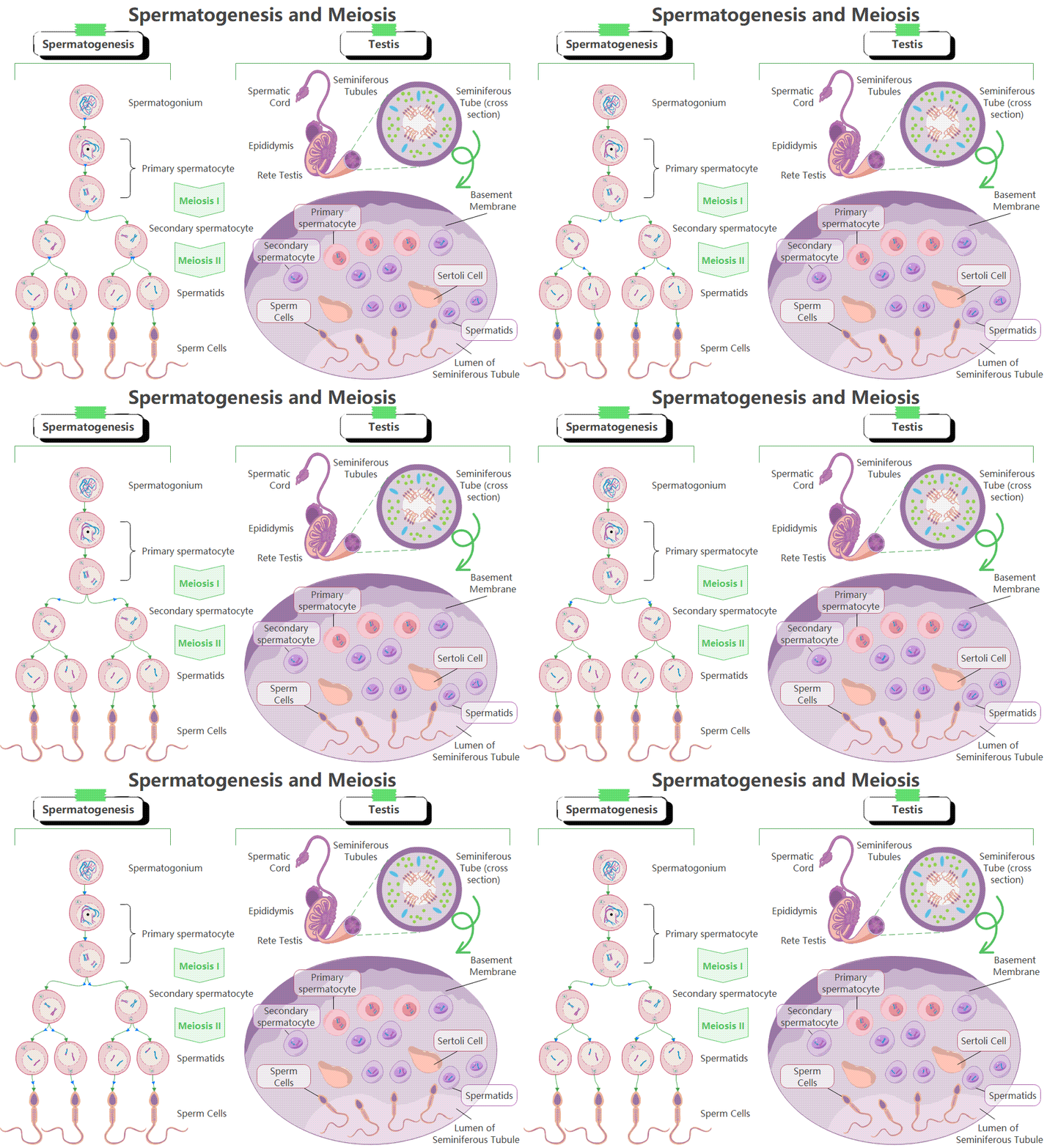
This template provides a detailed visual guide to the phases of meiosis. It illustrates how a single cell divides into four unique haploid sperm cells through two distinct division rounds.
Stage 1: Meiosis I
Meiosis I is the first round of division where homologous chromosomes separate. This stage is essential for reducing the chromosome count and creating genetic variation through a process called crossing over in the early phases.
- 01. Interphase
- 02. Prophase I
- 03. Prometaphase I
- 04. Metaphase I
- 05. Anaphase I
- 06. Telophase I
- 07. Cytokinesis I, A and B
Stage 2: Meiosis II
During Meiosis II, the two cells created in the first stage divide again. This process is similar to mitosis because sister chromatids separate. It results in four genetically different daughter cells with single chromosomes.
- 08. Prophase II, A and B
- 09. Prometaphase II, A and B
- 10. Metaphase II, A and B
- 11. Anaphase II, A and B
- 12. Telophase II, A and B
- 13. Cytokinesis II, A, B, C, and D
Stage 3: End Products
The final stage shows the outcome of the spermatogenesis process. After the second cytokinesis, the four daughter cells mature into functional sperm cells. Each sperm carries half the genetic information of the original parent cell.
- 14. Sperm (Final Gametes)
- Haploid cell maturation
- Four distinct genetic outputs
FAQs about this Template
-
What is the main difference between Meiosis I and Meiosis II?
Meiosis I focuses on separating homologous chromosomes, which reduces the total chromosome number by half. This is often called the reductional division. In contrast, Meiosis II separates sister chromatids, which is very similar to the steps seen in mitosis. While Meiosis I creates two haploid cells, Meiosis II finishes the process by producing four unique daughter cells ready for reproduction.
-
Why is the prophase I stage so important in meiosis?
Prophase I is critical because it is where genetic recombination or crossing over occurs. During this phase, homologous chromosomes pair up and exchange segments of DNA. This process creates new genetic combinations that did not exist in either parent. Without this stage, offspring would have much less genetic variety, making populations more vulnerable to environmental changes and various genetic diseases.
-
How many daughter cells are produced at the end of meiosis?
At the end of a full meiotic cycle, one original diploid parent cell produces four haploid daughter cells. In the case of spermatogenesis shown in the diagram, these four cells develop into functional sperm cells. Each cell contains exactly half the number of chromosomes as the parent. This ensures that when fertilization occurs, the resulting embryo has the correct number of chromosomes.

 (AI & Web)