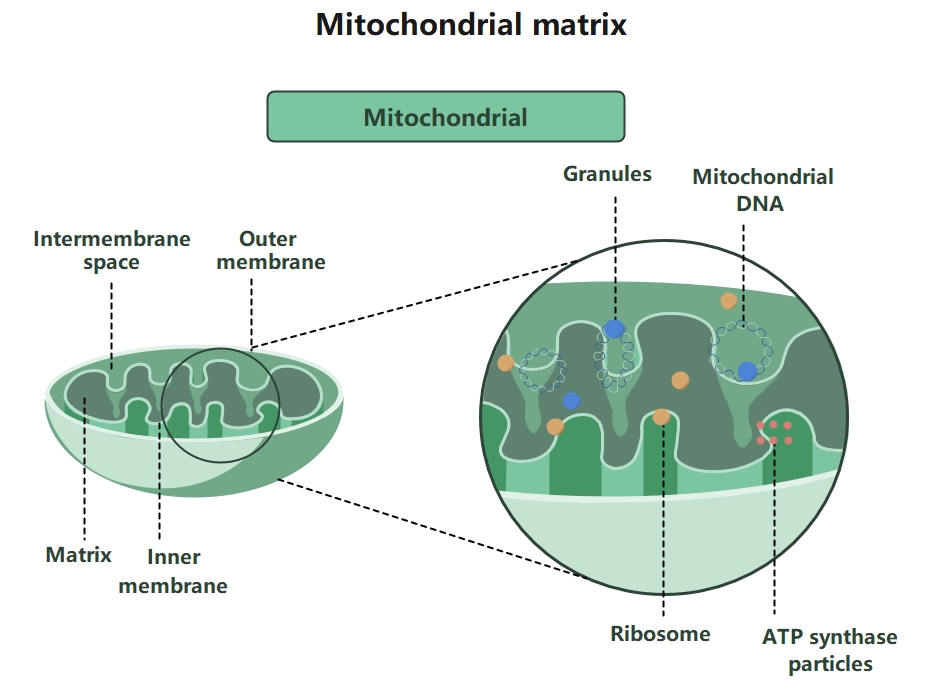
About this mitochondrial matrix template
This biological diagram provides a detailed look at the internal structure of a mitochondrion. It helps students and researchers visualize how membranes, DNA, and ribosomes interact within the matrix to facilitate complex metabolic pathways and energy conversion.
The Protective Mitochondrial Membranes
Mitochondria use a double-membrane system to create distinct chemical environments. The outer membrane serves as a boundary, while the inner membrane folds into cristae to maximize space for ATP production and separate the matrix from the intermembrane space.
- Outer membrane
- Inner membrane
- Intermembrane space
Internal Matrix Components
The matrix is a viscous hub filled with essential genetic and protein-making machinery. This specialized fluid contains circular DNA and unique ribosomes, allowing the mitochondrion to produce its own proteins and replicate independently of the cell's nucleus.
- Mitochondrial DNA
- Ribosome
- Granules
- Matrix fluid
Enzymatic and Synthesis Particles
The inner surface of the matrix is lined with powerful enzymes and particles. These structures are responsible for the final stages of oxidative phosphorylation, converting nutrients into ATP molecules that act as the cell's primary fuel source.
- ATP synthase particles
- Soluble enzymes
- Carrier molecules
FAQs about this Template
-
What is the main function of the mitochondrial matrix?
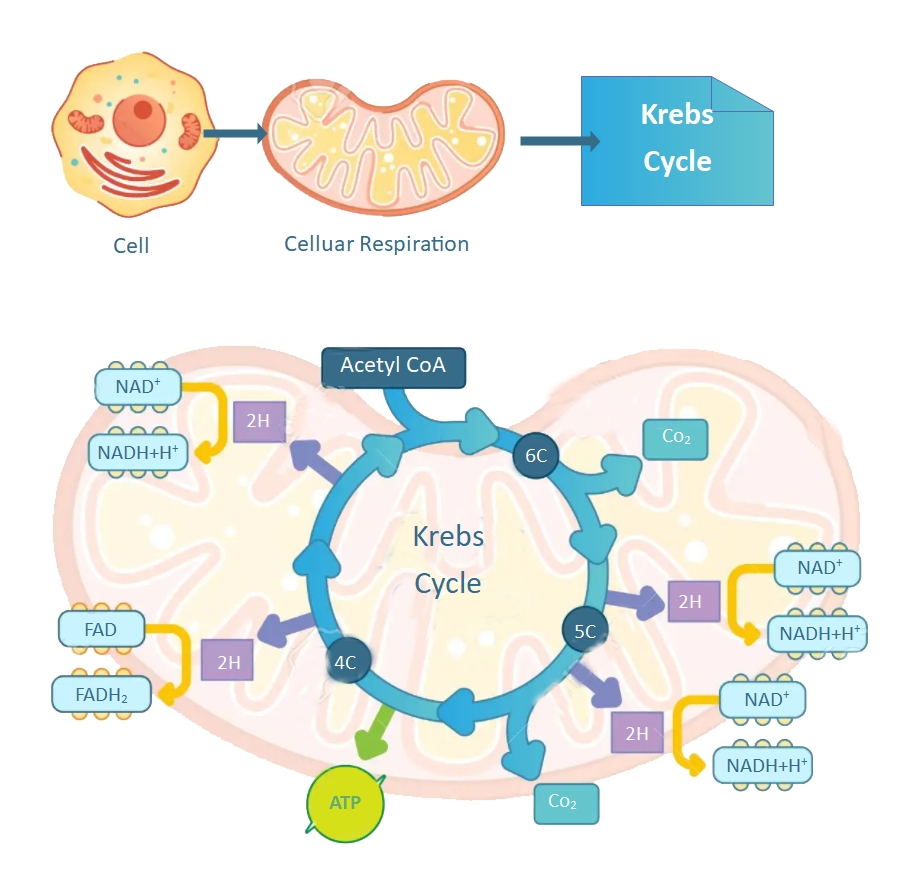
The mitochondrial matrix serves as the primary site for the citric acid cycle, also known as the Krebs cycle. It contains a high concentration of dissolved enzymes that break down pyruvate and fatty acids. This process releases carbon dioxide and produces energy-rich electrons. These electrons are later used in the electron transport chain to generate ATP energy.
-
Why does the matrix contain its own DNA and ribosomes?
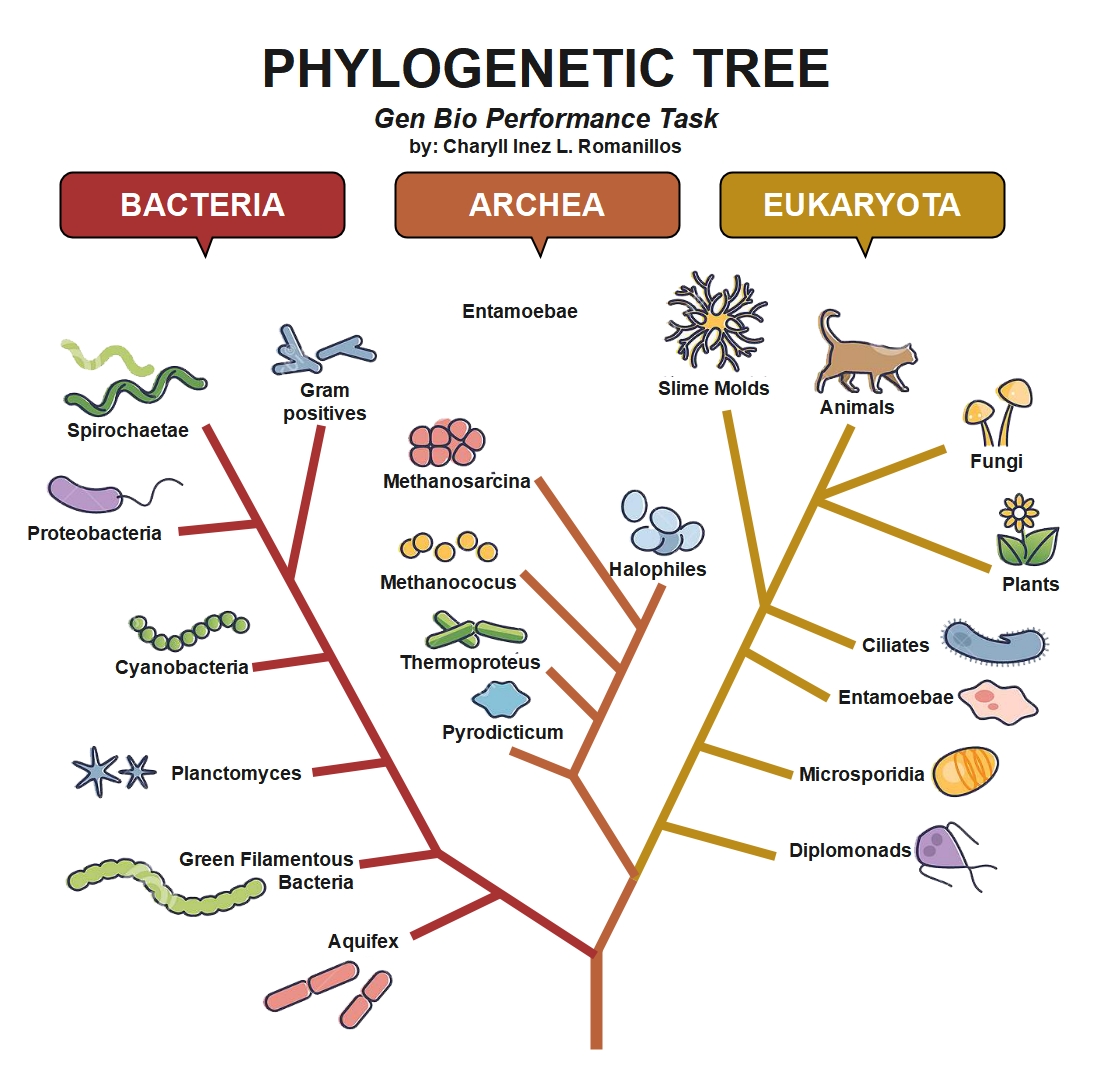
Having independent DNA and ribosomes allows mitochondria to synthesize their own proteins and replicate through binary fission. This unique feature supports the endosymbiotic theory, which suggests that mitochondria were originally ancient bacteria. By maintaining their own genetic code, they can quickly respond to the cell's energy demands without waiting for instructions.
-
What is the role of ATP synthase particles in the matrix?
ATP synthase particles are enzymes located on the inner mitochondrial membrane, protruding into the matrix. They act like tiny molecular motors that harness the flow of protons back into the matrix. This energy is used to convert ADP into ATP. Without these particles, the cell would be unable to produce the large amounts of energy.

 (AI & Web)