About Garden Planning Template
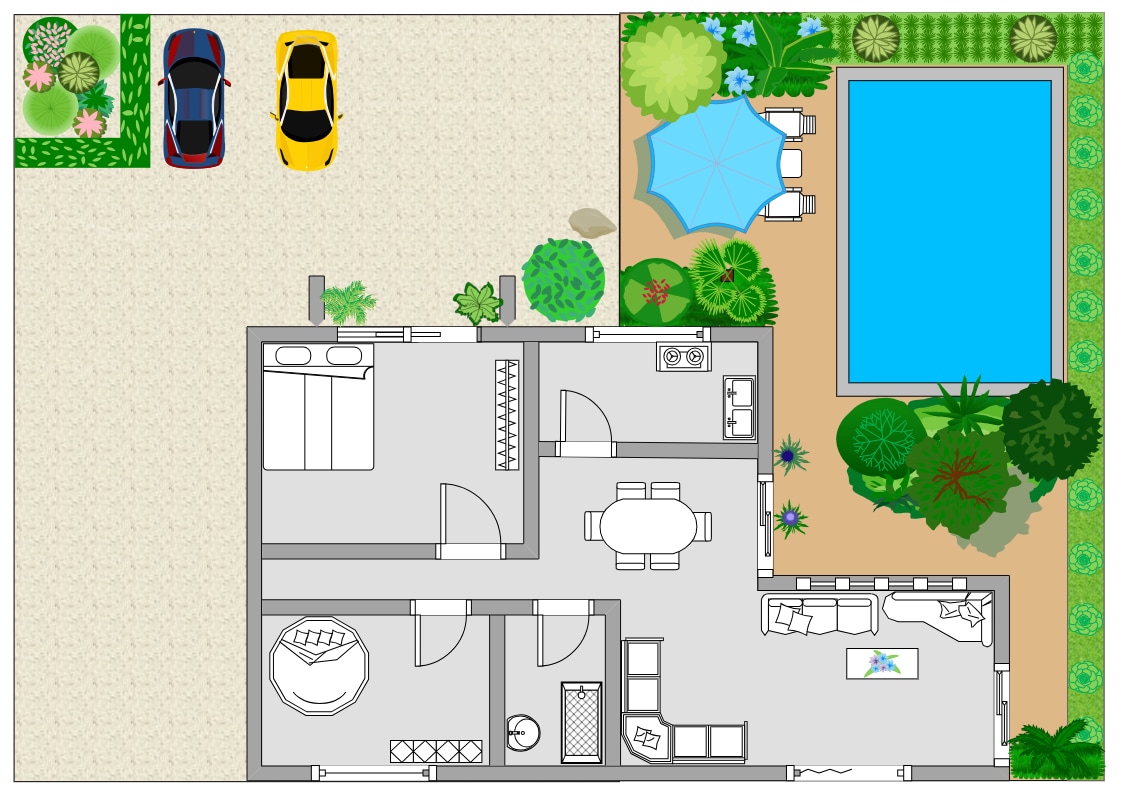
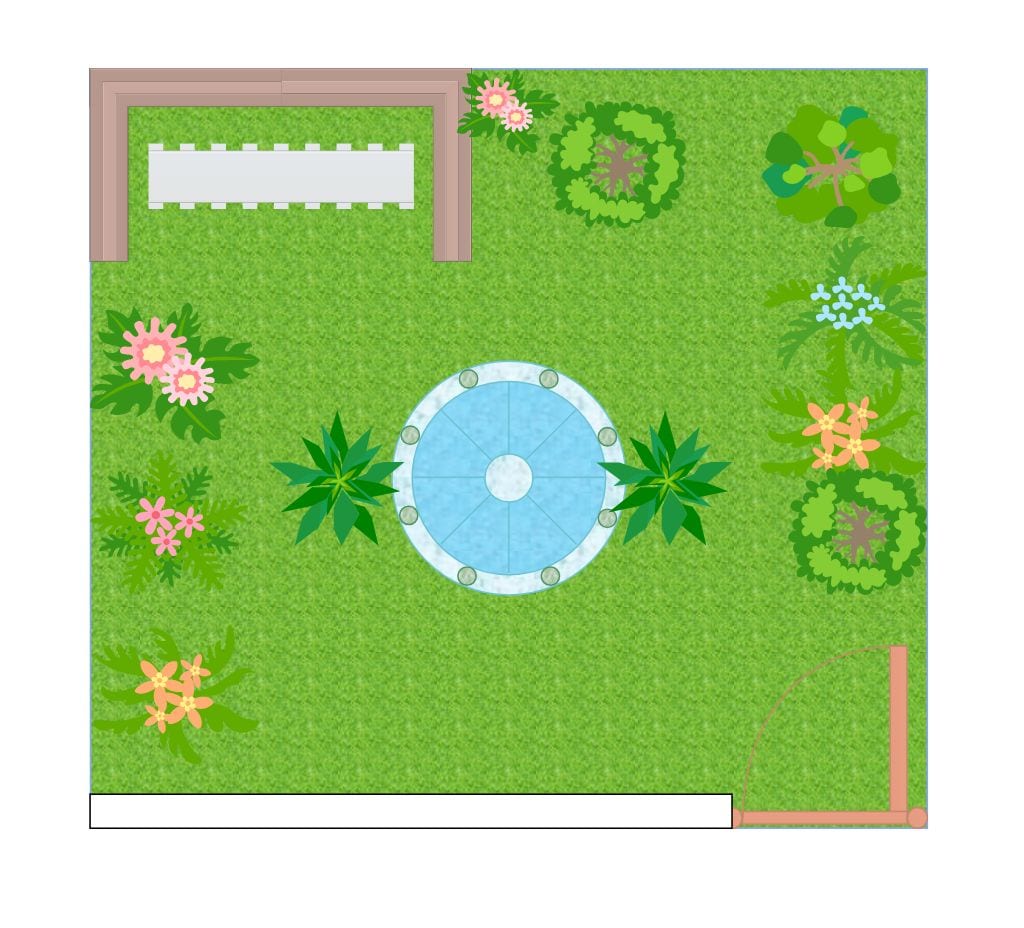
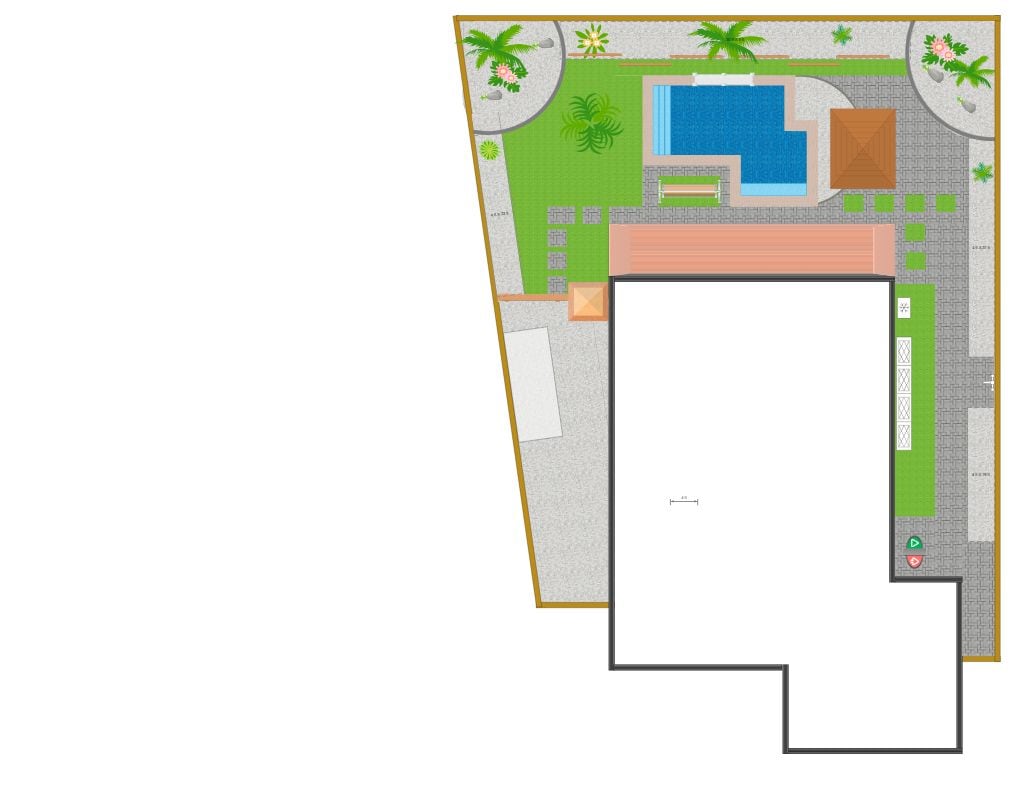
This garden planning template shows how planting zones, pathways, and outdoor features may be arranged across one landscape layout. It helps users explain the structure more clearly than a generic yard sketch by turning the plan into a more readable outdoor reference.
Main garden structure
The layout appears to divide the garden into visible sections, which is important because a useful outdoor plan usually depends on how the major areas are organized and balanced. This makes the design easier to review and compare.
- Helps explain the main outdoor structure of the garden
- Supports planning around visible zone balance
- Useful for redesign and presentation discussion
Paths and circulation
The visual arrangement also helps users review how movement may work through the site rather than treating the outdoor area as one open block. These route relationships matter because a strong landscape plan should feel connected and practical to use.
- Shows how paths organize movement across the site
- Supports discussion of access and circulation logic
- Useful for explaining layout usability more clearly
Planting and feature balance
The plan also helps users think about how greenery and designed features are distributed across the space. This is useful because a successful garden often depends on balancing structure, open ground, and focal elements together.
- Supports review of planting and feature balance
- Helps explain the outdoor plan more clearly
- Useful for practical landscape-planning communication
FAQs about this Template
-
What should a simple garden planning include?
A simple garden planning should include the main goals, stages, owners, deadlines, and review points needed to keep execution clear. Depending on the topic, it may also include dependencies, approval steps, budget issues, or checkpoints that support follow-through.
-
How do you create a simple garden planning?
To create a simple garden planning, define the objective first, then break the work into clear actions, timeline blocks, and responsible roles. A strong plan should make execution visible, keep priorities realistic, and show how progress will be reviewed over time.
-
Why is a simple garden planning important?
A simple garden planning is important because it turns a broad goal into actionable steps. It helps people coordinate work, reduce missed tasks, and understand timing better, especially when multiple teams, dependencies, or review stages are involved.
-
What is the difference between a simple garden planning and a general schedule?
A simple garden planning is usually tied to a more specific objective, workflow, or reporting logic, while a general schedule may only show timing. The difference is that a focused plan explains not just when work happens, but what happens and how it is tracked.

 (AI & Web)