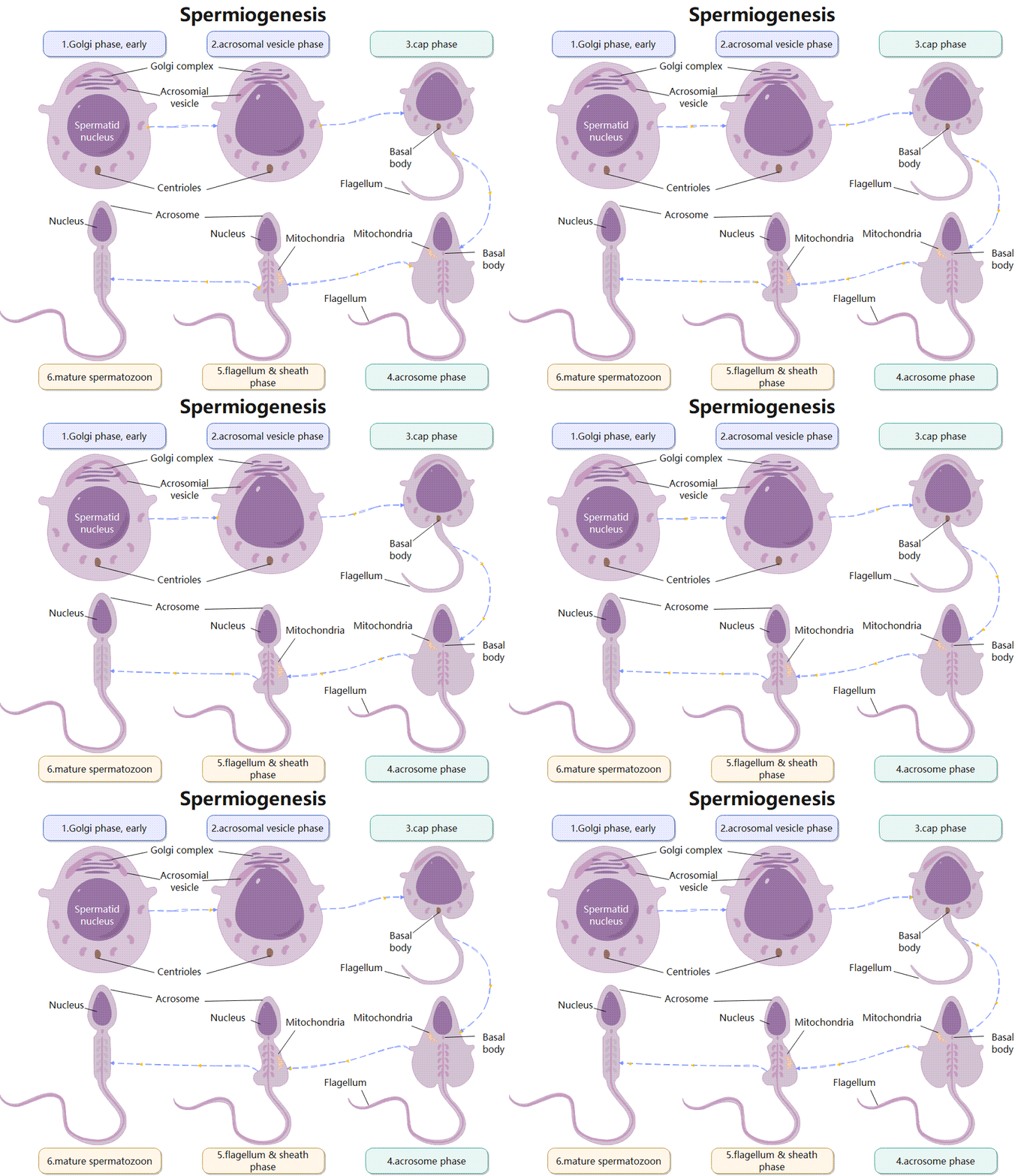
About this Spermatogenesis diagram template
This template illustrates the detailed stages of spermiogenesis. It highlights how cellular components like the Golgi complex and mitochondria relocate to form a functional spermatozoon. It is an essential tool for biology students and medical educators looking to master human anatomy.
Golgi phase, early
In the early Golgi phase, the cell begins producing specialized granules. These granules fuse together within the Golgi complex to form a large vesicle. This important step sets the foundation for the sperm’s protective cap.
- Golgi complex
- Acrosomial vesicle
- Spermatid nucleus
- Centrioles
acrosomal vesicle phase
During this stage, the acrosomal vesicle expands and starts to flatten against the nucleus. The Golgi complex continues its work by adding more material. This process is crucial for establishing the head structure of the developing sperm cell.
- Golgi complex
- Acrosomial vesicle
- Spermatid nucleus
- Centrioles
cap phase
The acrosomal vesicle spreads across the nucleus like a cap. At the same time, the basal body begins to sprout a flagellum. This development marks the transition from a round shape to a streamlined form.
- Basal body
- Flagellum
acrosome phase
The acrosome covers the nucleus more completely as the cell elongates. Mitochondria begin to gather near the base to provide energy. The tail structure becomes more defined, allowing for future movement in the reproductive tract.
- Mitochondria
- Basal body
- Flagellum
flagellum & sheath phase
The tail grows longer and a protective sheath forms around the midpiece. This section houses the mitochondria, which power the swimming motion. The nucleus becomes more condensed and packed tightly for the journey toward the egg.
- Nucleus
- Mitochondria
mature spermatozoon
The mature spermatozoon is now fully formed and ready for release. It consists of a head containing genetic material and a long tail for motility. Every part is optimized for the single goal of successful fertilization.
- Acrosome
- Nucleus
FAQs about this Template
-
What is the main difference between spermatogenesis and spermiogenesis?
Spermatogenesis is the entire cycle of creating sperm from germ cells. It includes multiple rounds of cell division called mitosis and meiosis. On the other hand, spermiogenesis is specifically the final maturation stage. During this phase, round spermatids transform into elongated, motile sperm cells without any further division. It focuses solely on changing the cell physical shape and structure.
-
Why is the acrosome so important in a mature sperm cell?
The acrosome is a cap-like structure that covers the front of the sperm head. It contains powerful enzymes designed to break down the outer layer of an egg cell. Without a functional acrosome, the sperm would be unable to penetrate the egg for fertilization. This makes the acrosome essential for reproduction and is a key indicator of sperm health.
-
How do mitochondria contribute to sperm function?
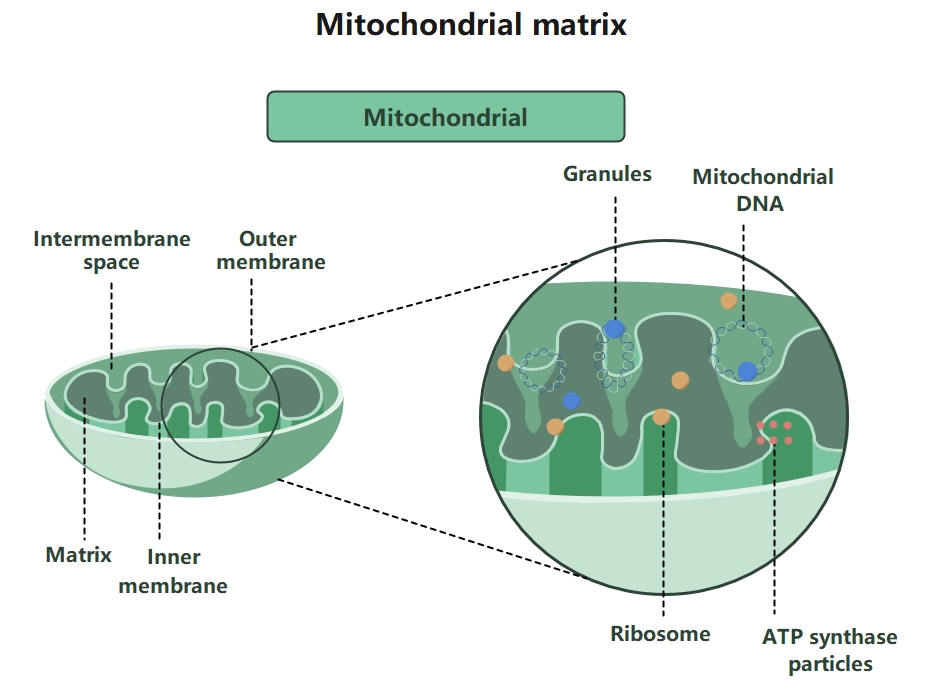
Mitochondria are located in the midpiece of the sperm cell. They act as the power plant for the entire cell by producing energy in the form of ATP. This energy is required to fuel the whip-like motion of the tail, or flagellum. Without these energy-producing organelles, the sperm would not have the strength to swim toward the egg for fertilization.

 (AI & Web)