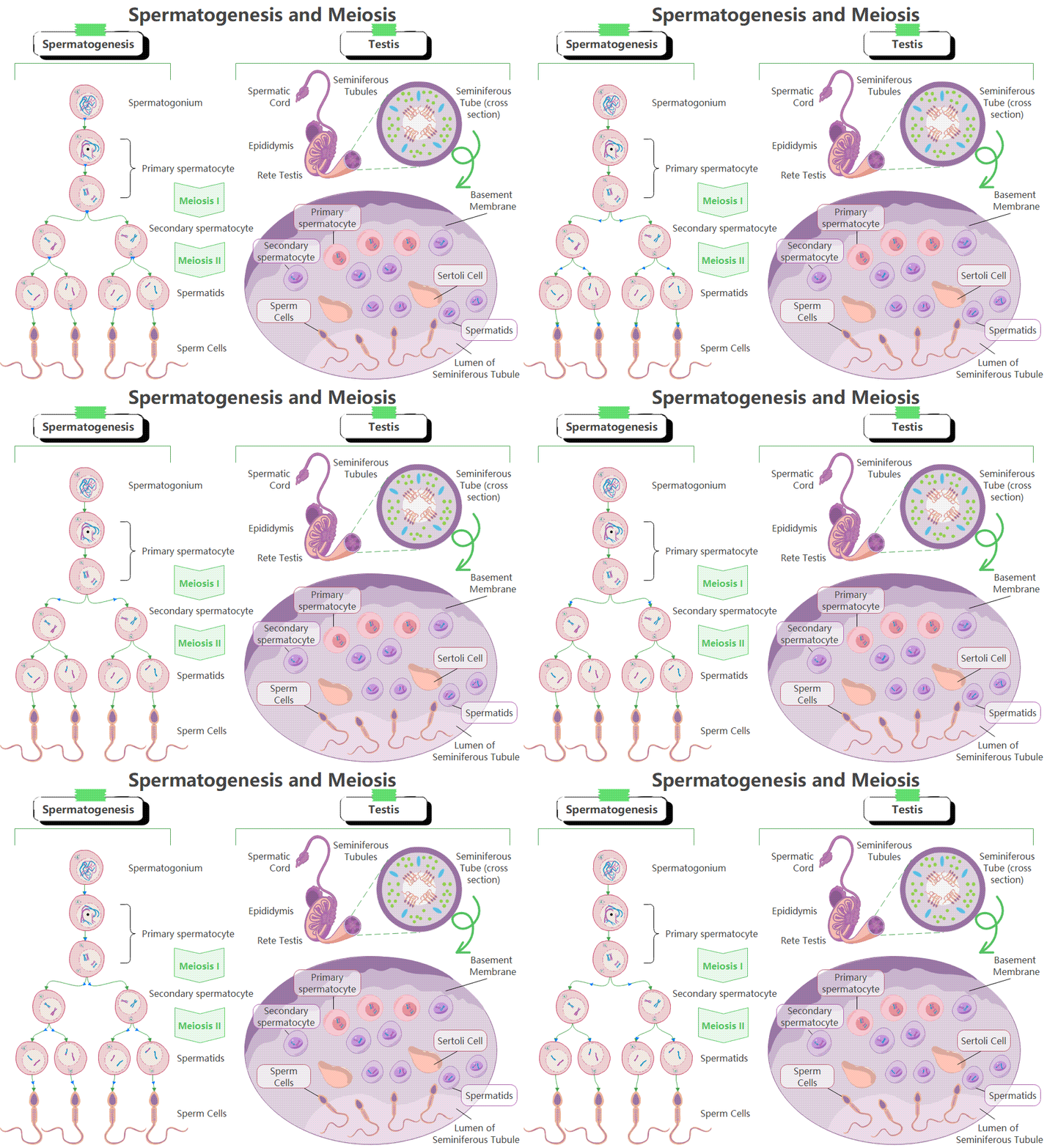
About the spermatogenesis process
This template provides a clear visual breakdown of how sperm cells develop. It illustrates both the cellular stages and the anatomical location where these changes occur. Users can easily study the transition from spermatogonium to mature sperm cells within the testis.
Stages of Spermatogenesis
Spermatogenesis transforms basic germ cells into highly specialized sperm through several distinct phases. The process involves multiple divisions to ensure the correct number of chromosomes is passed to the next generation of healthy cells.
- Spermatogonium
- Primary spermatocyte
- Meiosis I
- Secondary spermatocyte
- Meiosis II
- Spermatids
- Sperm Cells
Testis Anatomy and Function
The testis serves as the primary site for sperm production and maturation. Various structures work together to transport and protect developing cells. These components ensure that sperm reach the epididymis for storage and eventual release during reproduction.
- Spermatic Cord
- Seminiferous Tubules
- Epididymis
- Rete Testis
- Lumen of Seminiferous Tubule
The Microenvironment and Support
Specific cells and membranes within the seminiferous tubules provide structural and nutritional support. These elements create a protected environment called the blood-testis barrier. This environment is crucial for the successful completion of the meiosis process during development.
- Basement Membrane
- Sertoli Cell
- Primary spermatocyte
- Secondary spermatocyte
- Spermatids
- Mature Sperm Cells
FAQs about this Template
-
What is the primary role of meiosis in the spermatogenesis process?
Meiosis is a specialized type of cell division that reduces the chromosome number by half. In spermatogenesis, it transforms a single diploid primary spermatocyte into four haploid spermatids. This step is critical because it ensures that when sperm fertilizes an egg, the resulting embryo has the correct number of chromosomes. Without meiosis, genetic stability could not be maintained across generations.
-
Where specifically does the spermatogenesis process take place in the male body?
The entire process happens within the testes, specifically inside the seminiferous tubules. These tiny, coiled tubes are lined with germ cells and supportive Sertoli cells. As the cells mature, they move from the outer basement membrane toward the central lumen. Once they become sperm cells, they travel through the rete testis to the epididymis, where they eventually gain the ability to swim.
-
Why are Sertoli cells important during the development of sperm?
Sertoli cells are often called nurse cells because they provide essential nutrients and structural support to developing germ cells. They create the blood-testis barrier, which protects the sperm from the body's own immune system. Additionally, they secrete signaling molecules and fluids that help transport immature sperm through the tubules. Their presence is vital for the successful transition from spermatids into fully functioning mature sperm.

 (AI & Web)