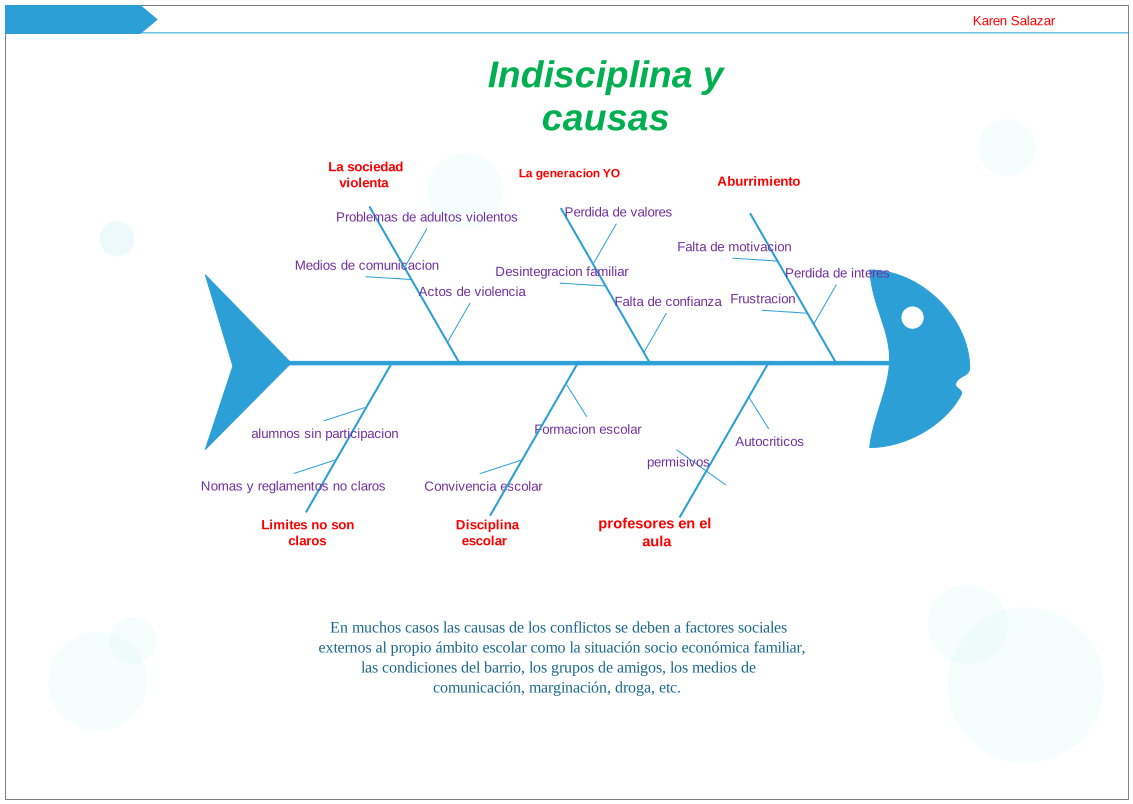
About School Reality Fishbone Diagram
This school reality fishbone diagram arranges the visible causes or contributing factors around one central issue. It is useful when a team needs to break a problem...
Main Problem Statement
A fishbone-style diagram works by keeping one issue or effect visible while the surrounding branches explain possible sources. That central focus is what turns the template into a structured root-cause tool.
Cause Branches
The side branches hold the grouped causes, observations, or contributing factors that support analysis. This structure helps a team separate categories of problems before discussing which branch deserves deeper attention.
- Karen Salazar
- Indisciplina y causas
- La sociedad violenta
- La generacion YO
- Aburrimiento
- Perdida de valores
- Problemas de adultos violentos
- Falta de motivacion
Analytical Use
Because the branches stay visually tied to the same issue, the template supports workshops, troubleshooting sessions, retrospectives, and process-improvement conversations where grouped causes matter more than simple chronology.
FAQs about this Template
-
What does this school Reality Fishbone Diagram help a team do during analysis?
It helps the team separate a problem into structured cause branches so the discussion does not collapse into one long unorganized list. That structure makes comparison easier and helps participants see whether several ideas belong to the same root area.
-
Why is the branch structure useful in a fishbone diagram?
The branch structure forces contributors to sort causes into meaningful categories instead of mixing symptoms, guesses, and evidence together. That makes the conversation more disciplined and gives the final diagram a clearer logic for follow-up review.
-
When is a fishbone template better than ordinary brainstorming notes?
It is better when the group needs both idea generation and categorization at the same time. A fishbone layout gives the session a frame, which helps prevent repetition and makes the final page easier to revisit after the meeting.
-
What should be reviewed before this fishbone diagram is finalized?
Before finalizing it, the team should review whether the branches contain actual causes, whether repeated ideas have been merged, and whether the page points toward actionable investigation rather than stopping at surface-level observations.





 (AI & Web)