




In this article
What Is the Order of the Digestive System?
Quick answer: The digestive system breaks food into nutrients the body can absorb and eliminates material that is not used. The main gastrointestinal tract follows a continuous path from the mouth to the anus, while accessory organs such as the liver, gallbladder, and pancreas support digestion.
| Order | Main digestive tract |
|---|---|
| 1–4 | Mouth → pharynx → esophagus → stomach |
| 5 | Small intestine |
| 6 | Large intestine / colon |
| 7–8 | Rectum → anus |
Accessory organs contribute bile, enzymes, and other digestive functions but food does not pass through them.
1. What is the Human Digestive System
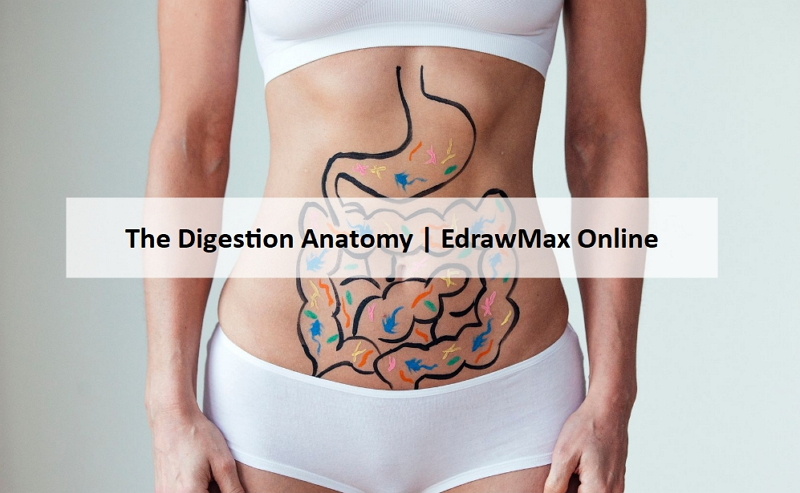
The human digestive system is a complex network responsible for breaking down food into essential nutrients. These nutrients are vital for cell growth, energy production, and body maintenance. It involves a series of hollow organs joined in a long, twisting tube from the mouth to the anus.
For students and medical professionals, using a digestion system diagram is the most effective way to visualize this intricate process. It helps in identifying the location and function of each organ, from the mouth to the anus.
2. Anatomy of the Human Digestive System
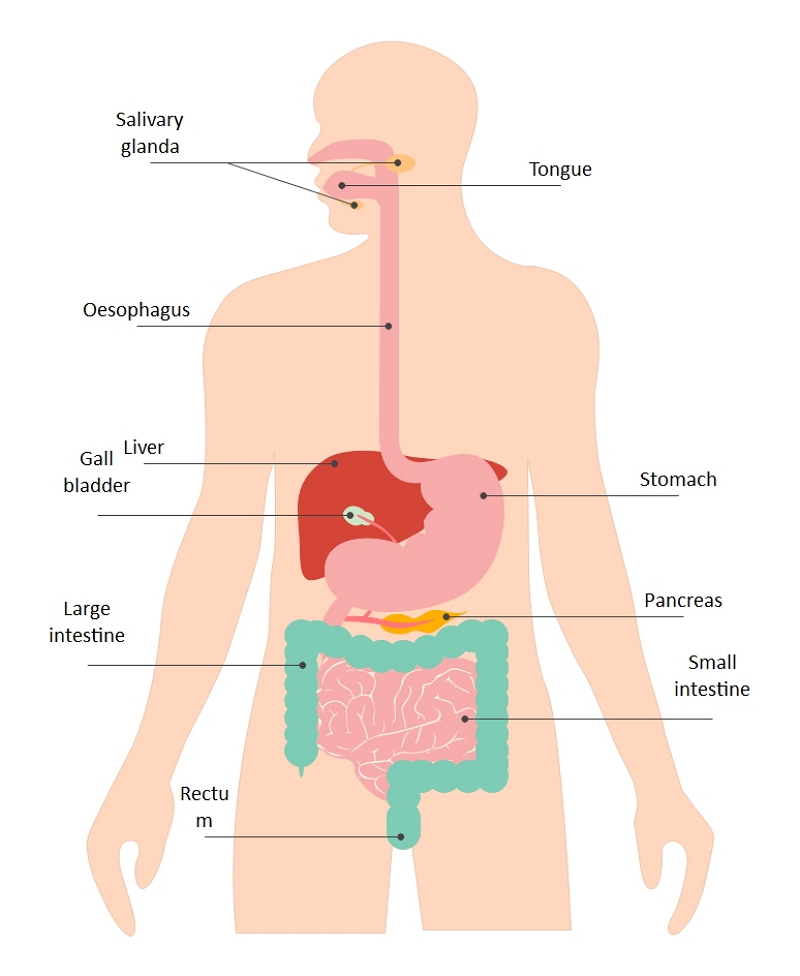
The digestive system is divided into two main parts: the Gastrointestinal (GI) tract and the accessory organs. Each plays a specific role in processing food into energy.
2.1 The Gastrointestinal Tract
The following organs are the actual parts that process and digest the food.
- Mouth: Digestion begins here. Teeth mechanically break down food, while saliva mixes with it to begin chemical digestion.
- Esophagus: A muscular tube that transports swallowed food to the stomach using peristaltic movements.
- Stomach: A hollow organ that holds food while mixing it with enzymes and strong acids to break it down into a liquid or paste.
- Small Intestine: A 22-foot-long tube comprising the duodenum, jejunum, and ileum. This is where most nutrient absorption occurs.
- Large Intestine (Colon): Processes waste products from the small intestine. It absorbs water and changes the waste from liquid to stool.
- Rectum & Anus: The rectum stores stool until evacuation, which is controlled by the sphincter muscles of the anus.
2.2 Accessory Organs
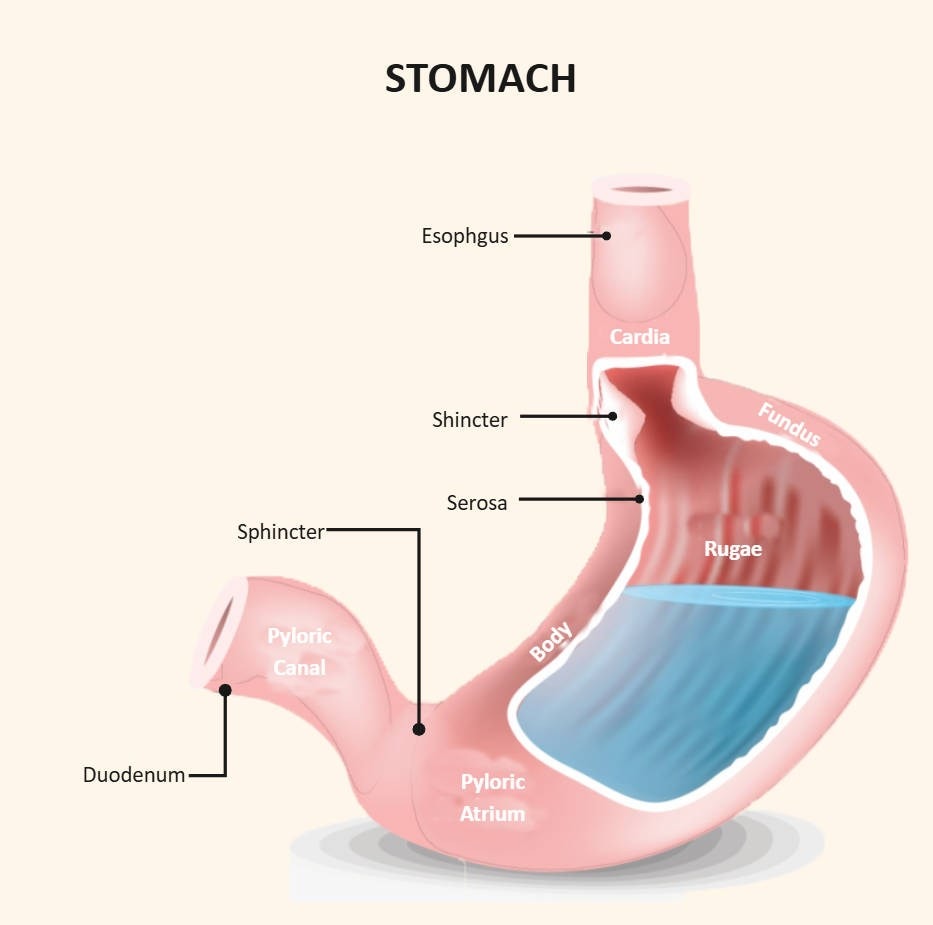
The helping organs that participate in human digestion are:
- Liver: Produces bile to digest fats and processes nutrients absorbed from the small intestine.
- Pancreas: Secretes digestive enzymes into the duodenum to break down proteins, fats, and carbohydrates.
- Gallbladder: Stores and concentrates bile produced by the liver, releasing it into the small intestine as needed.
3. How to Draw a Digestive System Diagram
Visualizing anatomy is the best way to learn. Whether you sketch by hand or use software, creating a biological diagram helps reinforce your understanding of the organs.
3.1 Method 1: How to Create a Digestive System Drawing by Hand Sketching
Let's begin by making a diagram of the digestive system by hand. This is good for students at school to enhance their understanding in biology class.
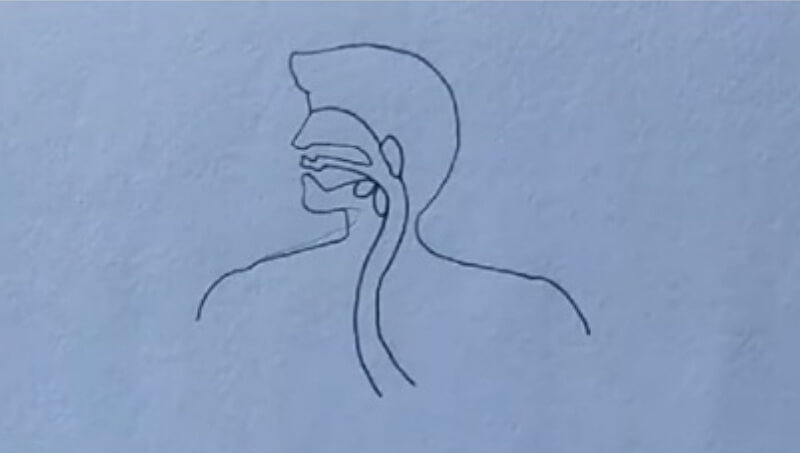
Step 1:
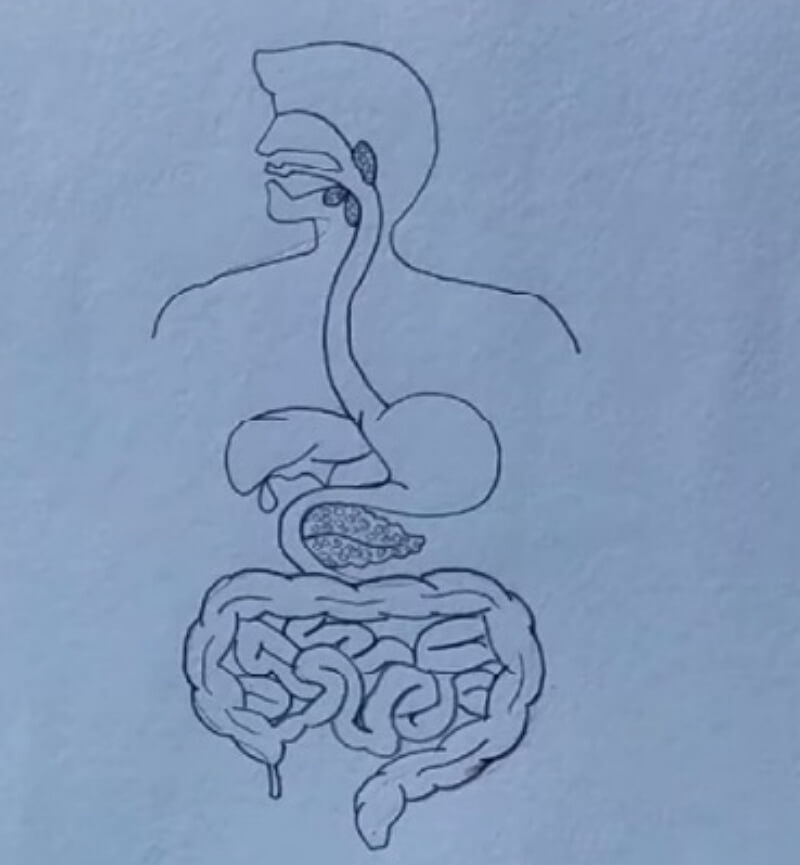
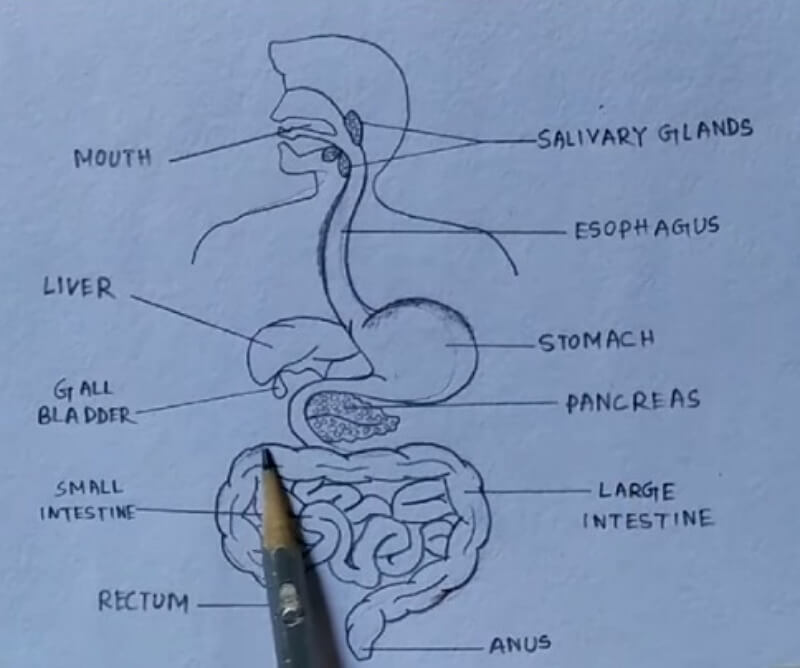
The system starts from the mouth and forms a pipe-like structure connected to the stomach, known as the esophagus. The stomach looks like a big bean-shaped sack. People should draw these in the beginning.
Step 2:
In the next step, one should draw the small intestine. The stomach is further connected to another narrow-pipe-like structure, which forms a coil. This coiled part is called the small intestine.
Step 3:
There is a thick structure above the coil of the small intestine. It is the large intestine. The end part of the large intestine forms the opening called the anus. The upper part of this opening, which is a bit swollen, is called the rectum. People should draw these parts after the small intestine.
Step 4:
Next, one should draw the pancreas. Just above the large intestine, there is a leaf-like structure which is called the pancreas–a triangle-shaped organ besides the stomach or the liver. Now one should label each organ of this system.
3.2 Method 2: How to Create a Digestive System Drawing Online
For a presentation-ready diagram, use EdrawMax Online. It offers pre-made biological symbols that make drawing complex organs effortless. You can create accurate medical diagrams in minutes
 Get 500 free AI tokens
Step 1:
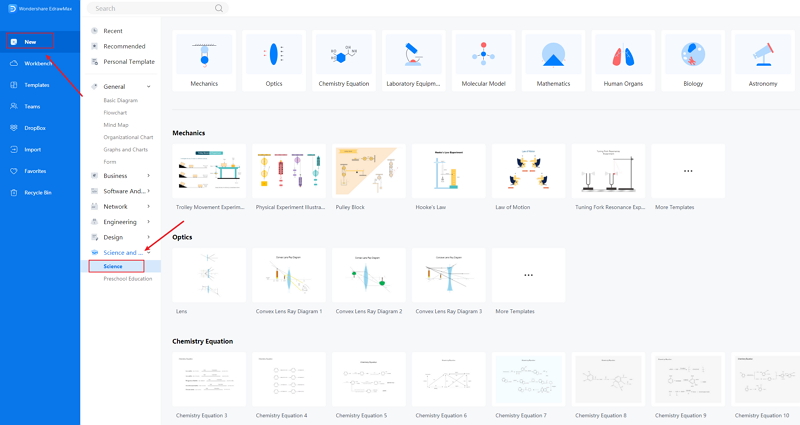
Log in to EdrawMax and select Science and Education > Human Organs.
Step 2:
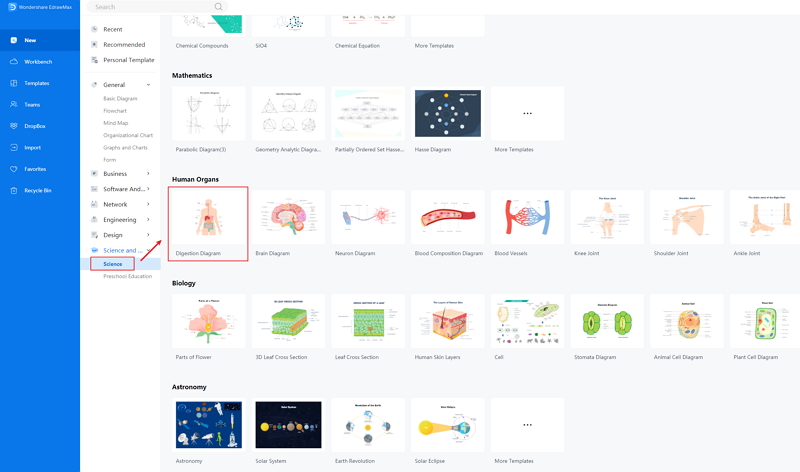
For learning scientific concepts and the human body, it is best to use diagrams. The students can smoothly learn a challenging idea with the help of diagrams. Under the Science and Education section of this application, the student can get several scientific diagram types. From this part, they can choose the Human Organ option to receive images related to human organs.
Step 3:
The tool comes with voluminous editable diagrams, which are extremely useful for students, researchers, and teachers. They can select one as per their requirement and then edit the picture according to their needs. It can help them to get a high-quality image for their studies or dissertation papers.
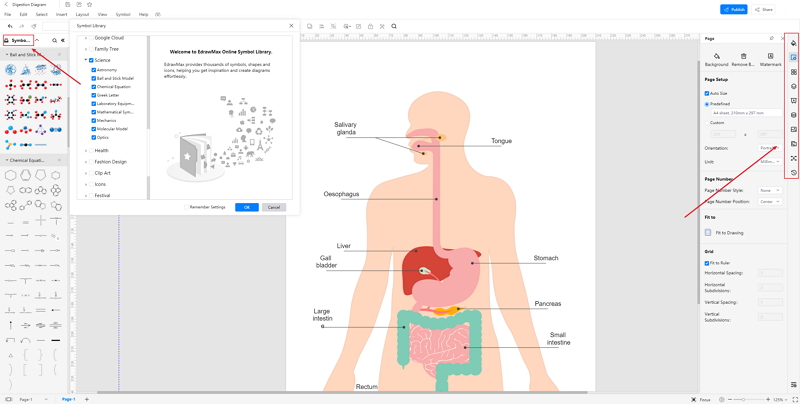
Step 4:
When the student is satisfied with their diagram, they can save it. They can also export and use the complete digestion system image in their projects.
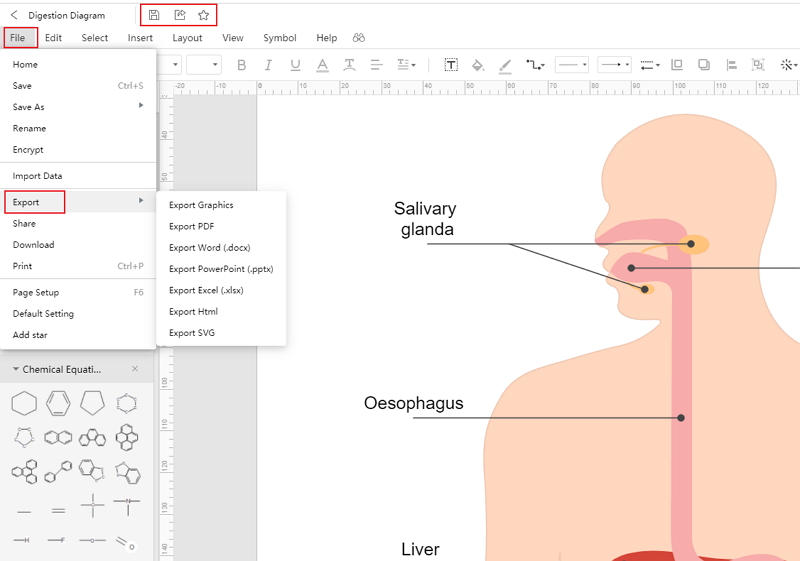
4. Why is the Digestive System Important?
Digestion is critical because the body needs nutrients from food and drink to work properly and stay healthy. The digestive system breaks nutrients into parts small enough for the body to absorb and use for energy, growth, and cell repair:
- Proteins break down into amino acids.
- Fats break down into fatty acids and glycerol.
- Carbohydrates break down into simple sugars.
5. Conclusion
Maintaining a healthy digestive system through a balanced diet and hydration is essential for overall well-being. For students and educators, visualizing this complex system through diagrams enhances understanding and retention. EdrawMax Online provides an intuitive platform to create detailed digestive system diagrams effortlessly. With its vast library of biology diagram examples, you can create professional educational materials in minutes.
FAQs About the Digestive System
What are the main functions of the digestive system?
The primary functions include ingestion, secretion of fluids and enzymes, mixing and movement of food, digestion into smaller nutrients, absorption, and excretion of waste.
What is the order of the digestive system organs?
Food travels through the Mouth, Esophagus, Stomach, Small Intestine (Duodenum, Jejunum, Ileum), Large Intestine (Colon), Rectum, and finally the Anus.
AI Diagram Generator
Enter your prompt. Upload files if needed. Generate diagrams, charts, or slides instantly.


What is the correct order of the digestive tract?
Food passes through the mouth, pharynx, esophagus, stomach, small intestine, large intestine, rectum, and anus.Which organs help digestion without food passing through them?
The salivary glands, liver, gallbladder, and pancreas are accessory digestive organs. They produce or store substances that support chemical digestion.


 (AI & Web)