About this Real Estate Value Chain Analysis template
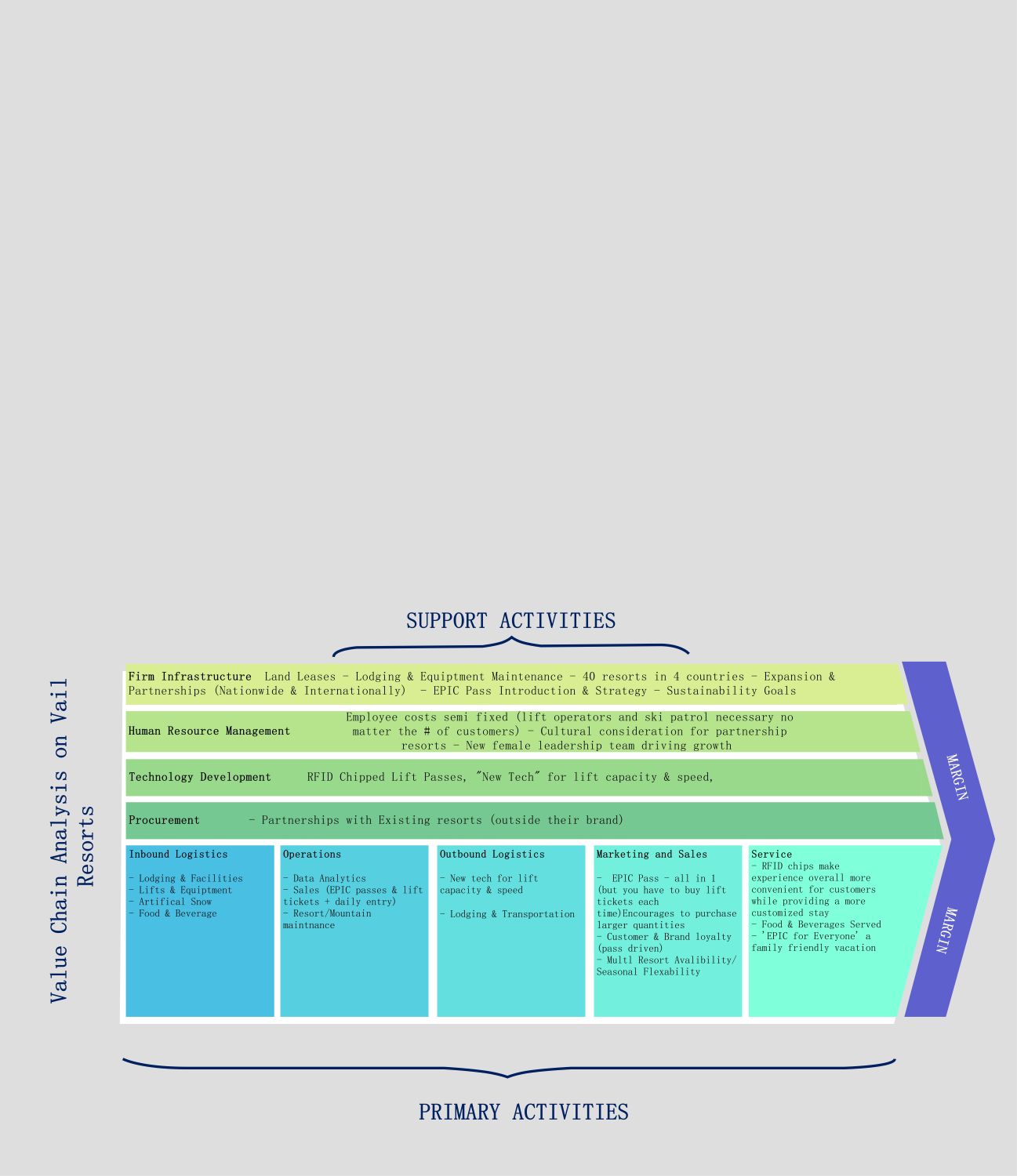
This template provides a comprehensive breakdown of the value creation process for a major resort entity. It divides activities into support and primary categories, allowing users to analyze every step from infrastructure development to customer service and marketing strategies.
Firm Infrastructure
Infrastructure forms the backbone of real estate and resort operations. It includes managing physical assets, legal agreements, and long-term expansion plans. A strong infrastructure ensures the business scales effectively while maintaining high sustainability and operational standards.
- Land Leases and Property Acquisition
- Lodging and Equipment Maintenance
- Operations across 40 resorts in 4 countries
- EPIC Pass Introduction and Strategic Planning
- Sustainability and Environmental Goals
Human Resource Management
Managing personnel is critical in labor-intensive industries like hospitality and real estate. This section focuses on balancing fixed employee costs with service quality. It also highlights leadership initiatives and cultural considerations that drive the organization’s overall growth.
- Semi-fixed employee costs for lift operators and patrol
- Cultural considerations for international partnerships
- New female leadership team driving growth
- Staffing for resort and mountain operations
Primary Operations and Logistics
Primary activities involve the direct creation and delivery of the resort experience. This includes managing inbound assets like food and equipment, along with the day-to-day operations. These factors directly influence customer satisfaction and the overall profit margin.
- Lodging facilities and equipment logistics
- Artificial snow production and maintenance
- Data analytics for operational efficiency
- Sales of EPIC passes and daily lift tickets
- Food and beverage service delivery
Marketing and Customer Service
Effective marketing and high-quality service ensure long-term customer retention. By using technology like RFID chips and loyalty programs, companies can create a seamless experience. These activities are vital for building a strong brand identity and ensuring recurring revenue.
- EPIC Pass all-in-one sales strategy
- Customer and brand loyalty programs
- RFID chips for convenient customer access
- Customized stays and family-friendly dining
- Multi-resort availability and seasonal flexibility
FAQs about this Template
-
How does a value chain analysis benefit real estate developers?
Real estate developers use value chain analysis to pinpoint where they can add the most value during the development process. By breaking down costs into specific segments like procurement and operations, developers can identify inefficiencies. This allows for better resource allocation, leading to higher profit margins and a more competitive position within the crowded property market.
-
What is the difference between primary and support activities in this context?
Primary activities are the core functions that directly deliver value to the customer, such as resort operations and guest services. Support activities, like technology development and human resources, provide the necessary framework for primary activities to function. Both are essential for success, but support activities generally focus on background efficiency while primary activities focus on the direct user experience.
-
Why is technology development included in a real estate value chain?
Technology development is crucial because it modernizes the customer experience and improves operational speed. In resorts, this includes RFID passes for faster entry and advanced lift systems. By integrating these technologies, real estate businesses can reduce wait times, collect valuable user data, and provide a seamless experience that encourages repeat visits and builds long-term brand loyalty.

 (AI & Web)