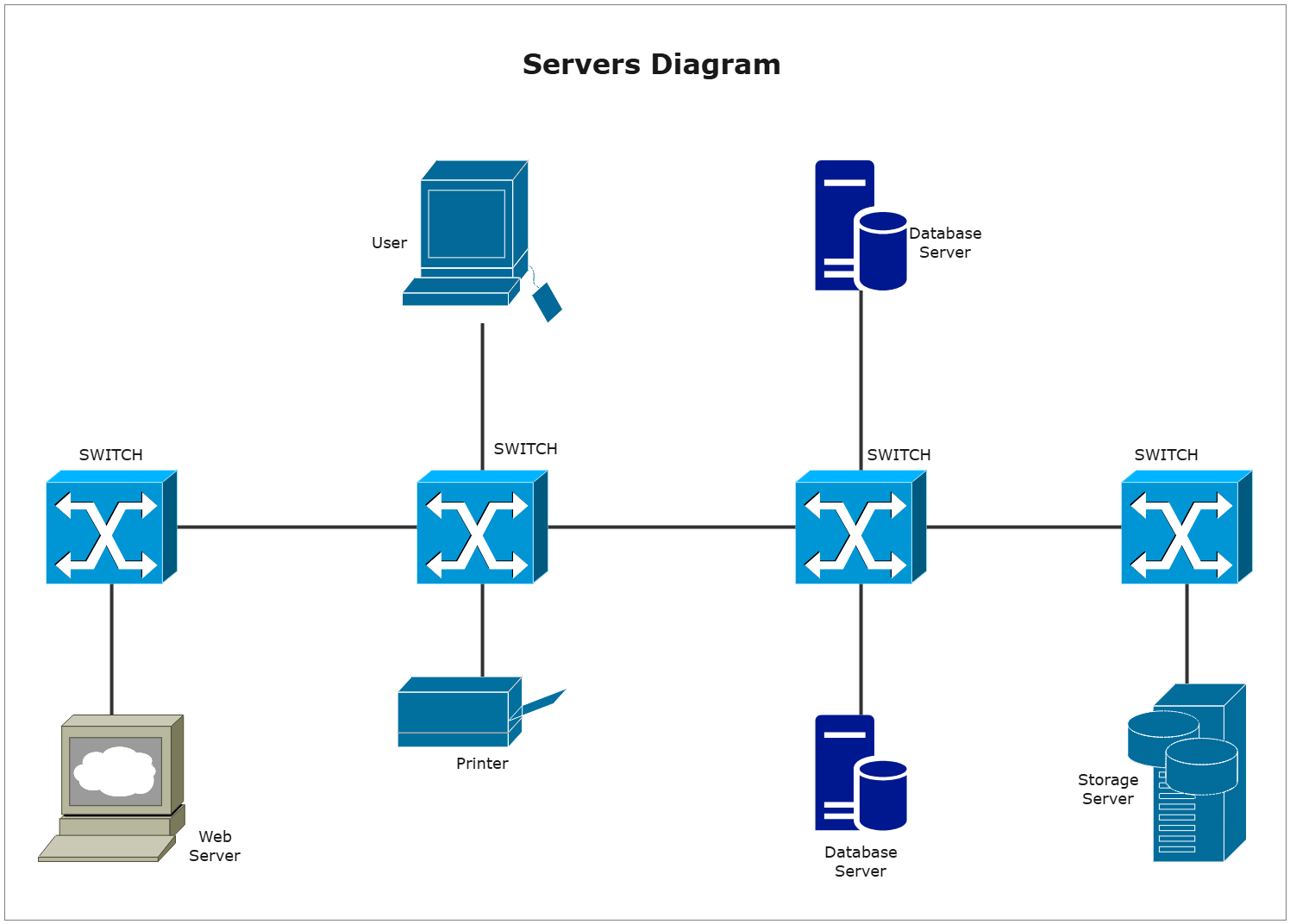
About Server Architecture Diagram Template
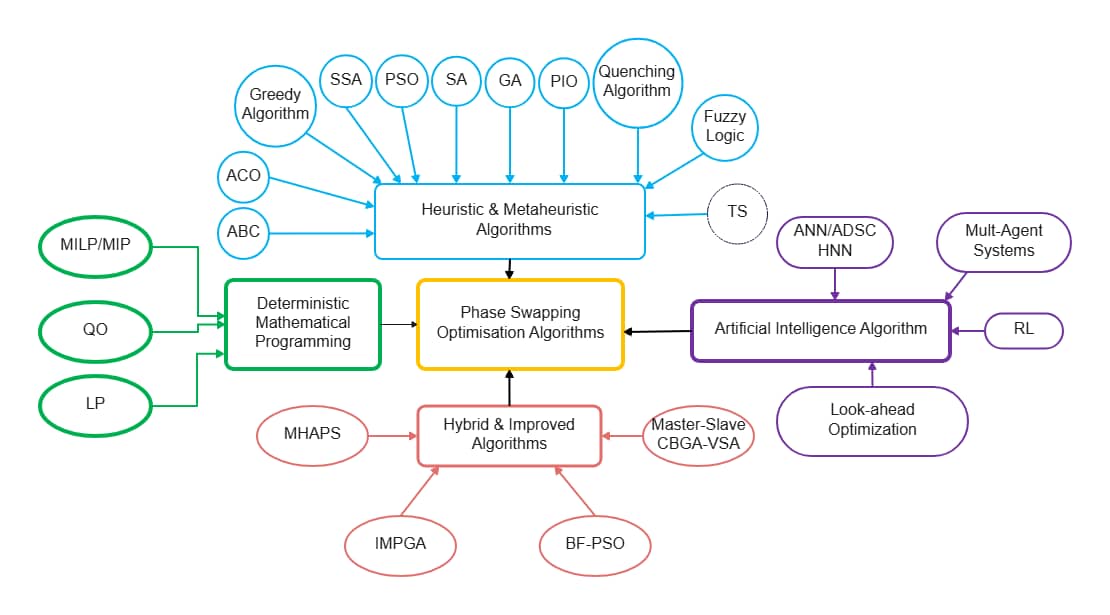
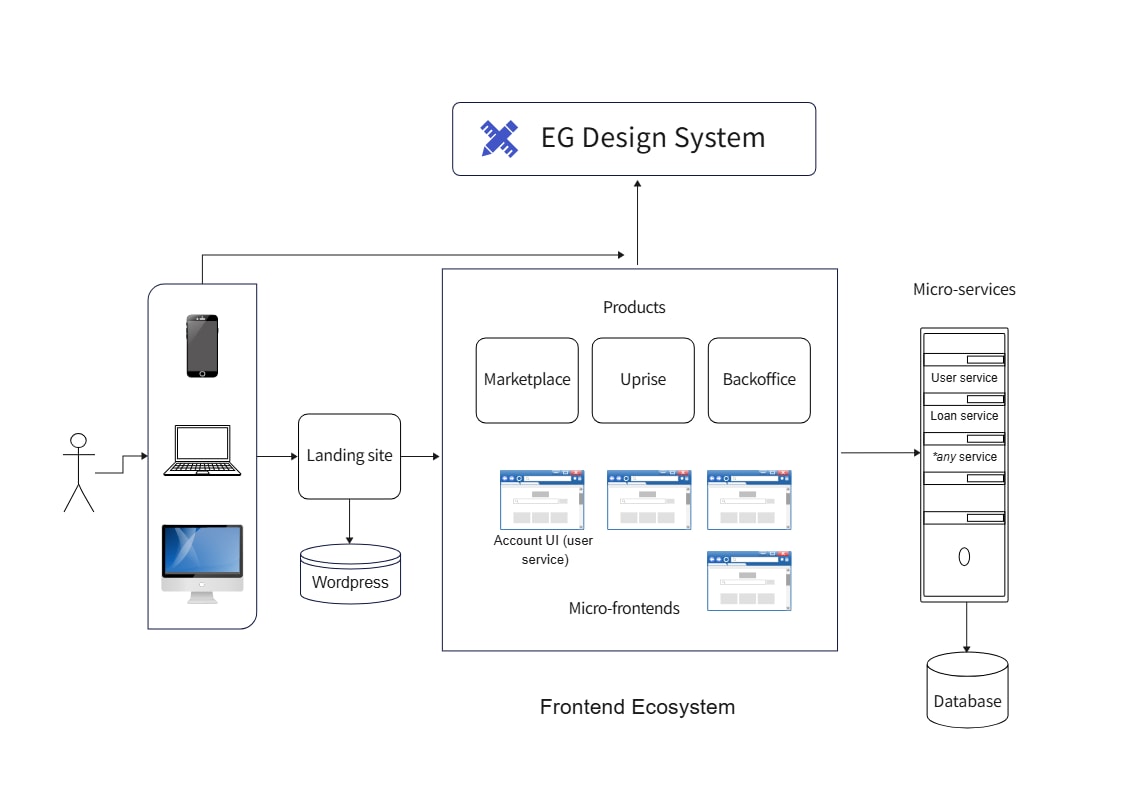
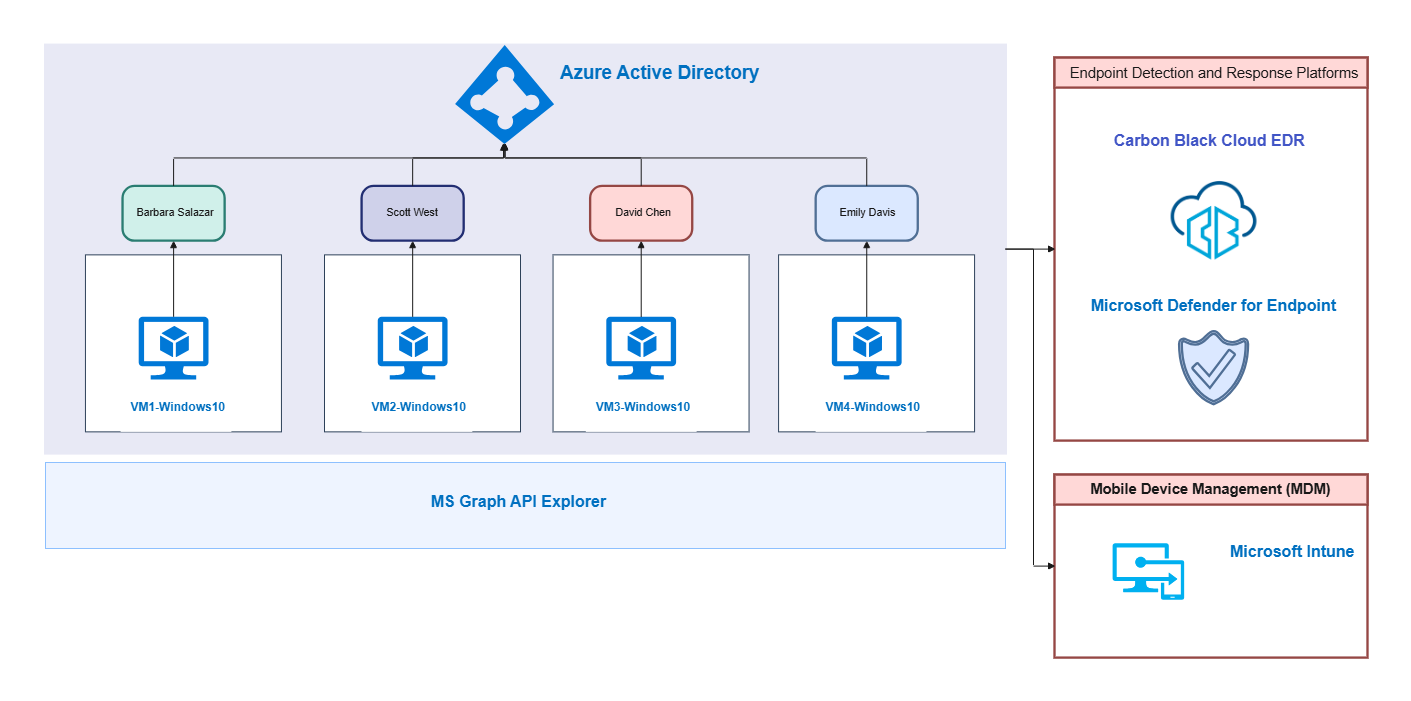
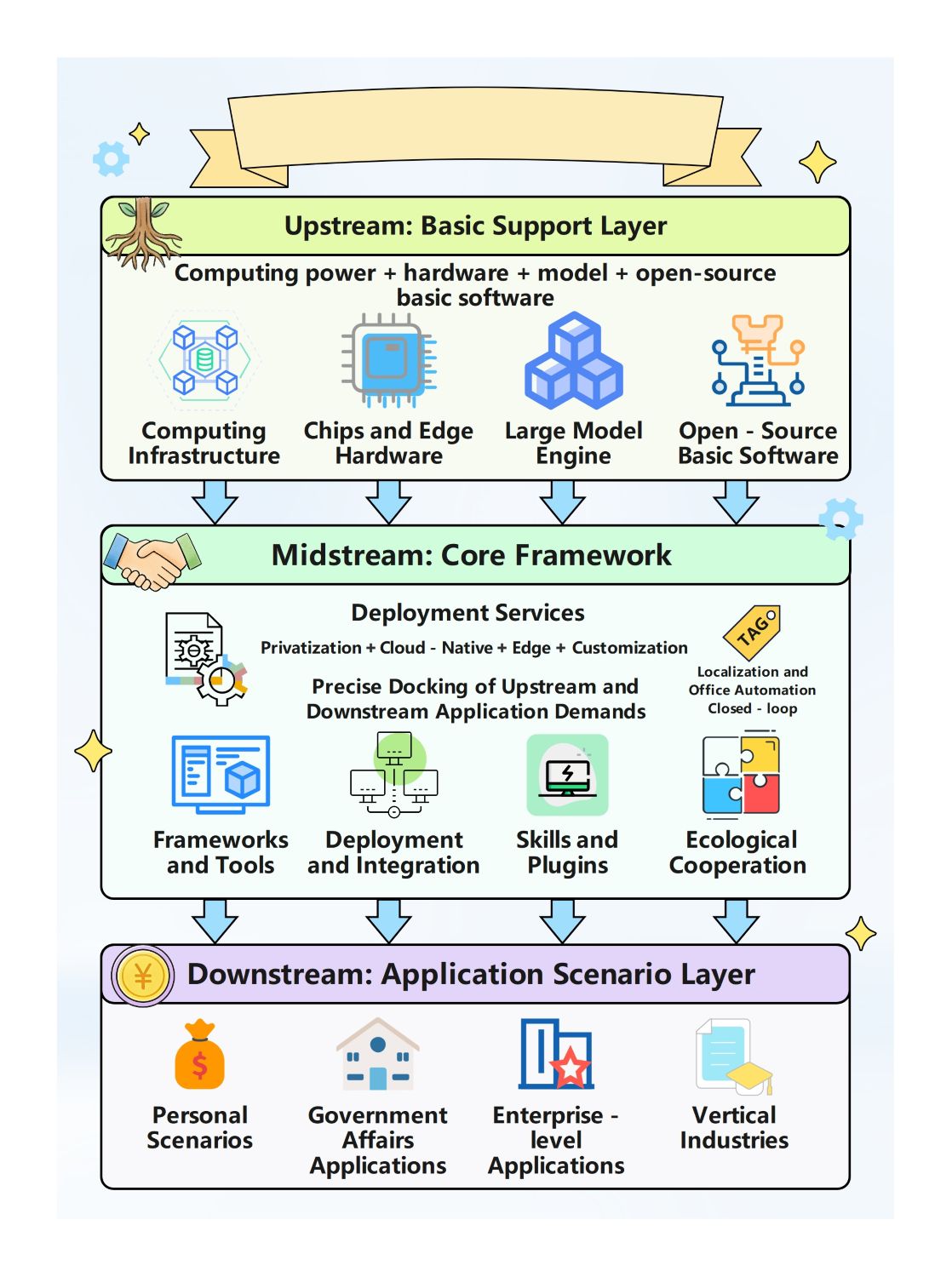
This server architecture diagram template shows how server-related components and technical relationships may be organized across a system environment. It helps users explain the structure more clearly instead of reducing the architecture to a simple list of technical roles.
Major server roles
The diagram appears to highlight the main server-side elements that define the environment. This matters because architecture review often starts by identifying which system roles are central to the platform’s operation.
- Helps explain the key server-related parts of the environment
- Supports architecture planning and technical review
- Useful for clearer infrastructure communication
Service relationships
The visual arrangement also helps users review how the server-side components work together rather than treating them as isolated technical blocks. In architecture diagrams, these relationships matter because system behavior often depends on how the parts connect.
- Shows how server-related services may relate inside the architecture
- Supports discussion of dependency and structure logic
- Useful for explaining technical organization more clearly
Design and documentation value
Beyond the server roles themselves, the diagram helps users discuss how the environment may be documented, reviewed, or extended. This is useful because architecture diagrams often support both implementation thinking and cross-team communication.
- Useful for planning, documentation, and architecture explanation
- Supports clearer technical alignment across teams
- Helps make server architecture easier to reuse as a reference
FAQs about this Template
-
What is a technical architecture diagram?
A technical architecture diagram is a visual explanation of how services, modules, infrastructure components, or integrations relate to one another inside a system. It helps teams understand structure, dependencies, and implementation logic more clearly than a plain written description.
-
What should a technical architecture diagram include?
A technical architecture diagram should include the main services or modules, the connections between them, and the boundaries that matter for operation or security. Depending on context, it may also include users, APIs, databases, external systems, or deployment environments.
-
How do you create a technical architecture diagram?
To create a technical architecture diagram, identify the core components first, group them by layer or function, and connect them according to how the system works in practice. The goal is to make architecture easier to review rather than turning the diagram into a dense inventory.
-
Why is technical architecture important?
Technical architecture is important because it improves planning, communication, and review before changes are made to a system. A clear architecture view reduces misunderstanding, helps document decisions, and makes complex technical environments easier to explain across teams.

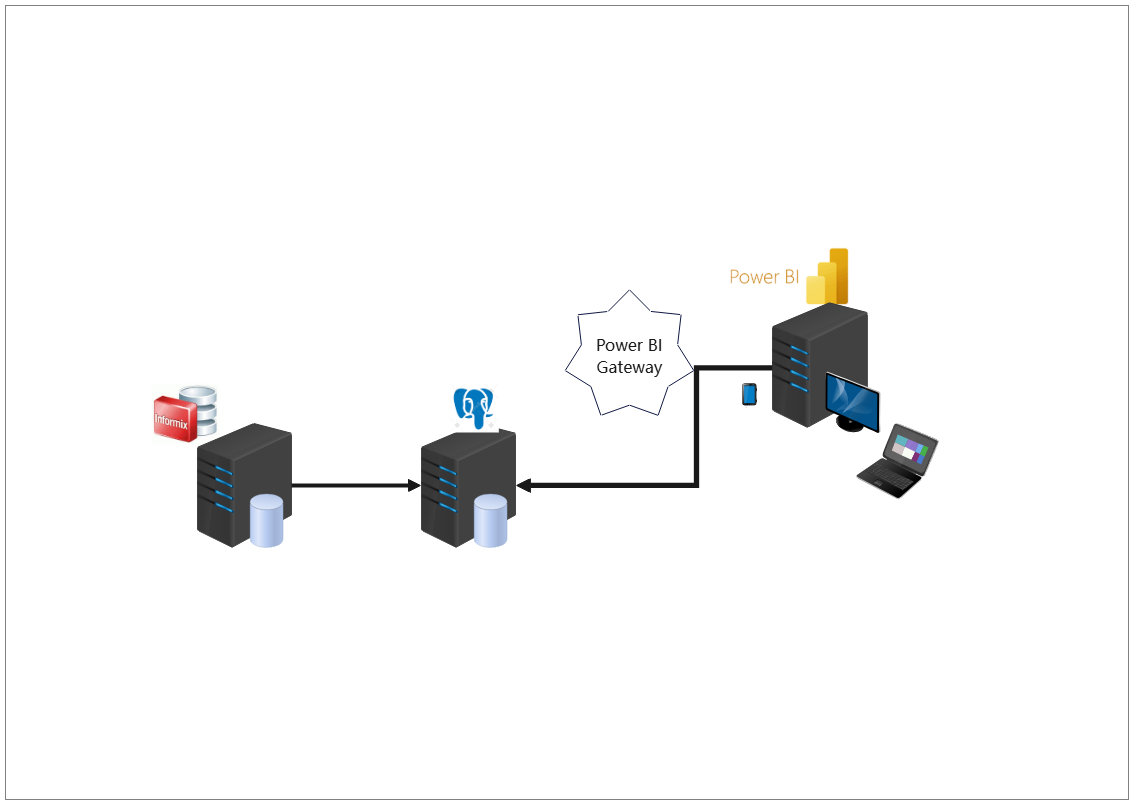

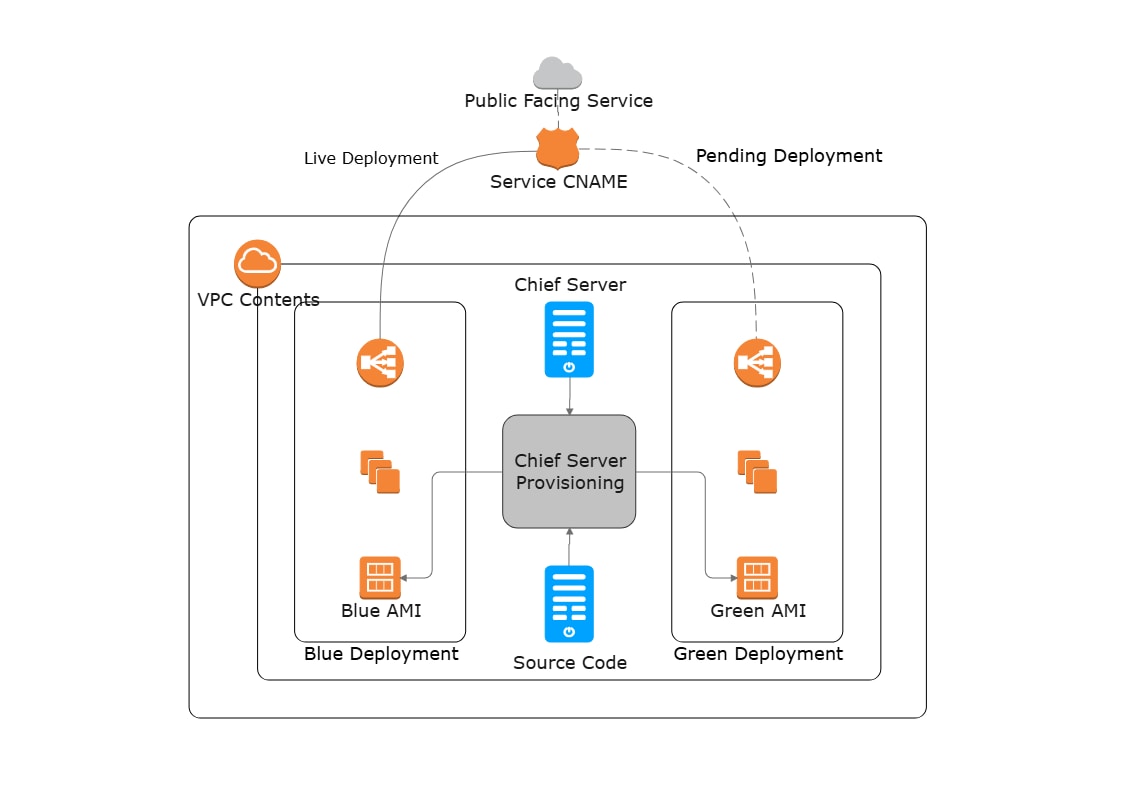
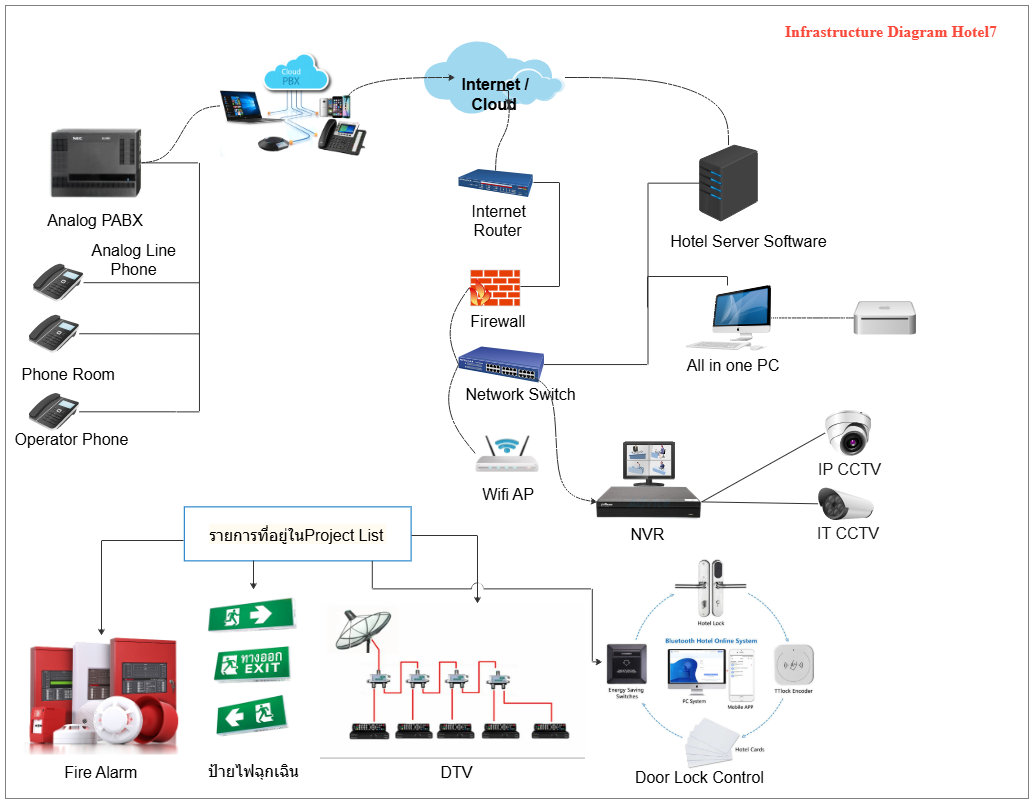


 (AI & Web)