About Corporate Network Infrastructure Diagram Template
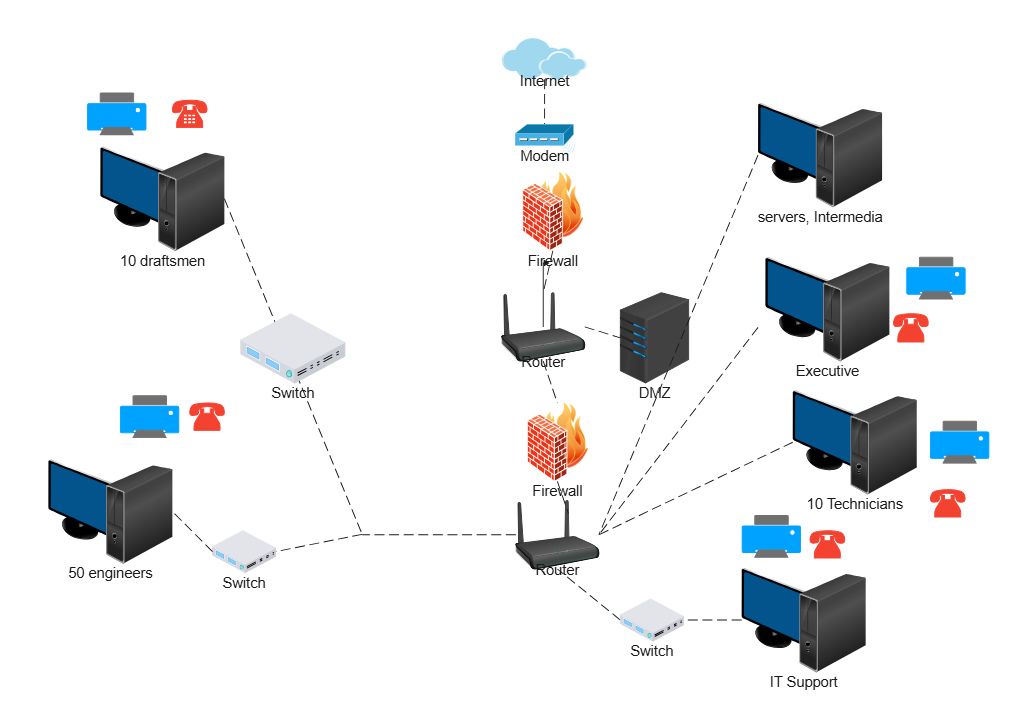
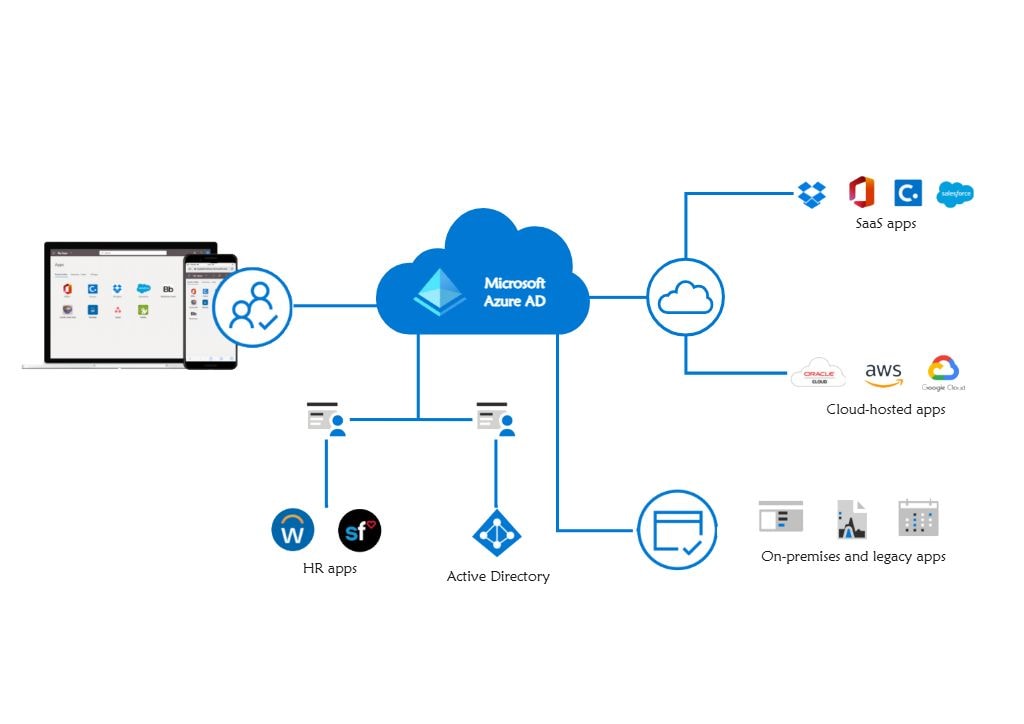
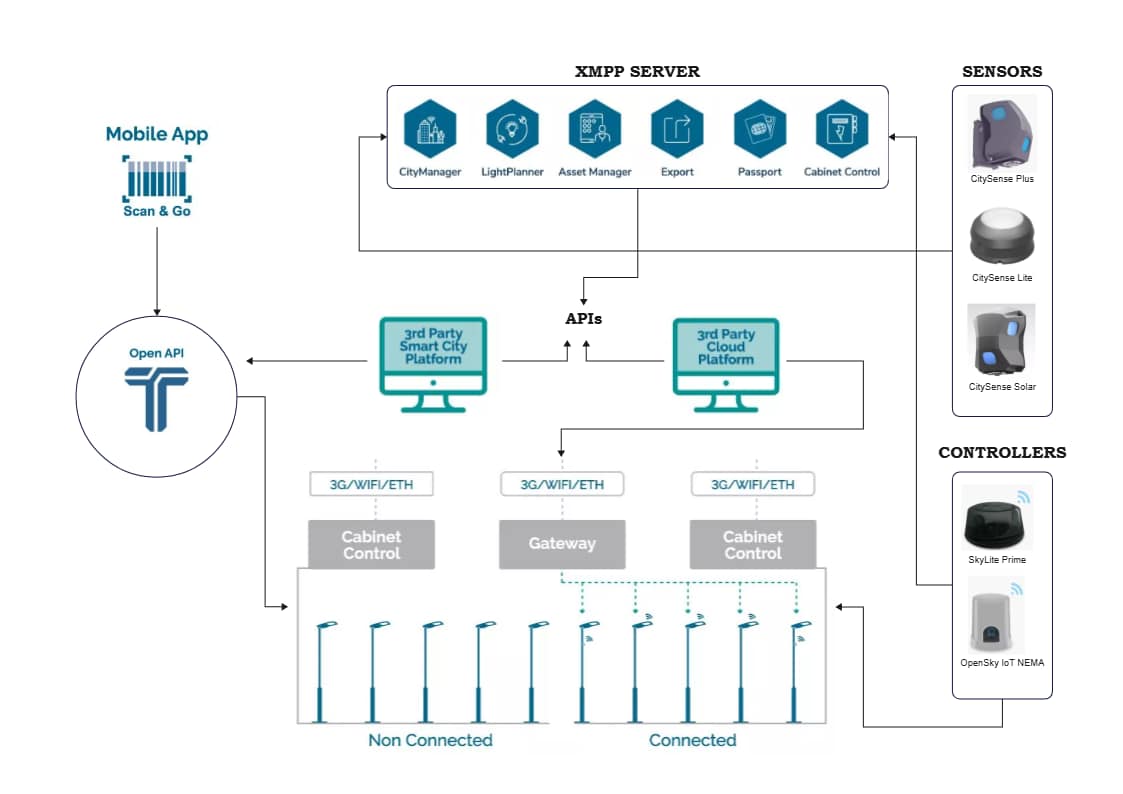
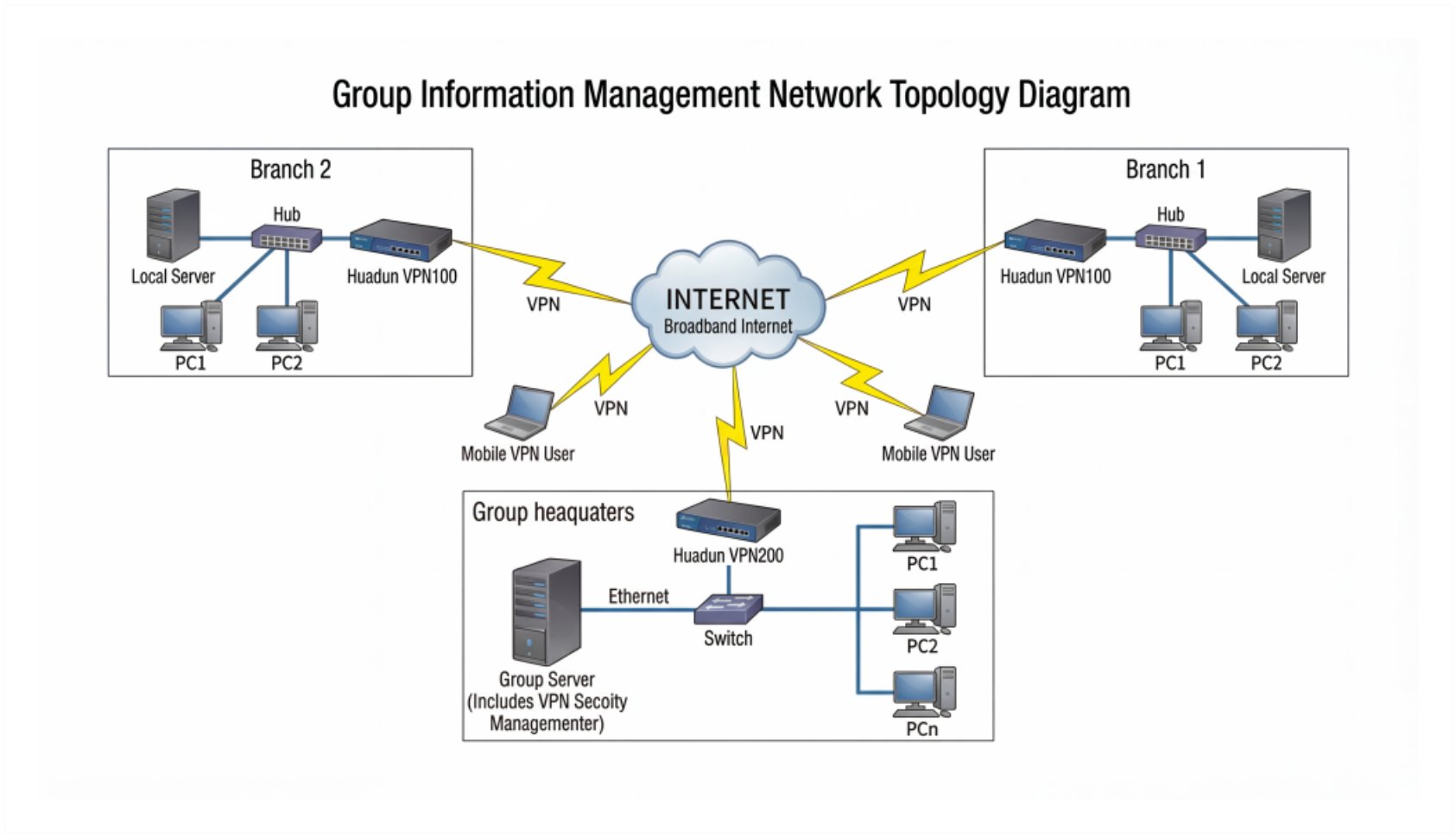
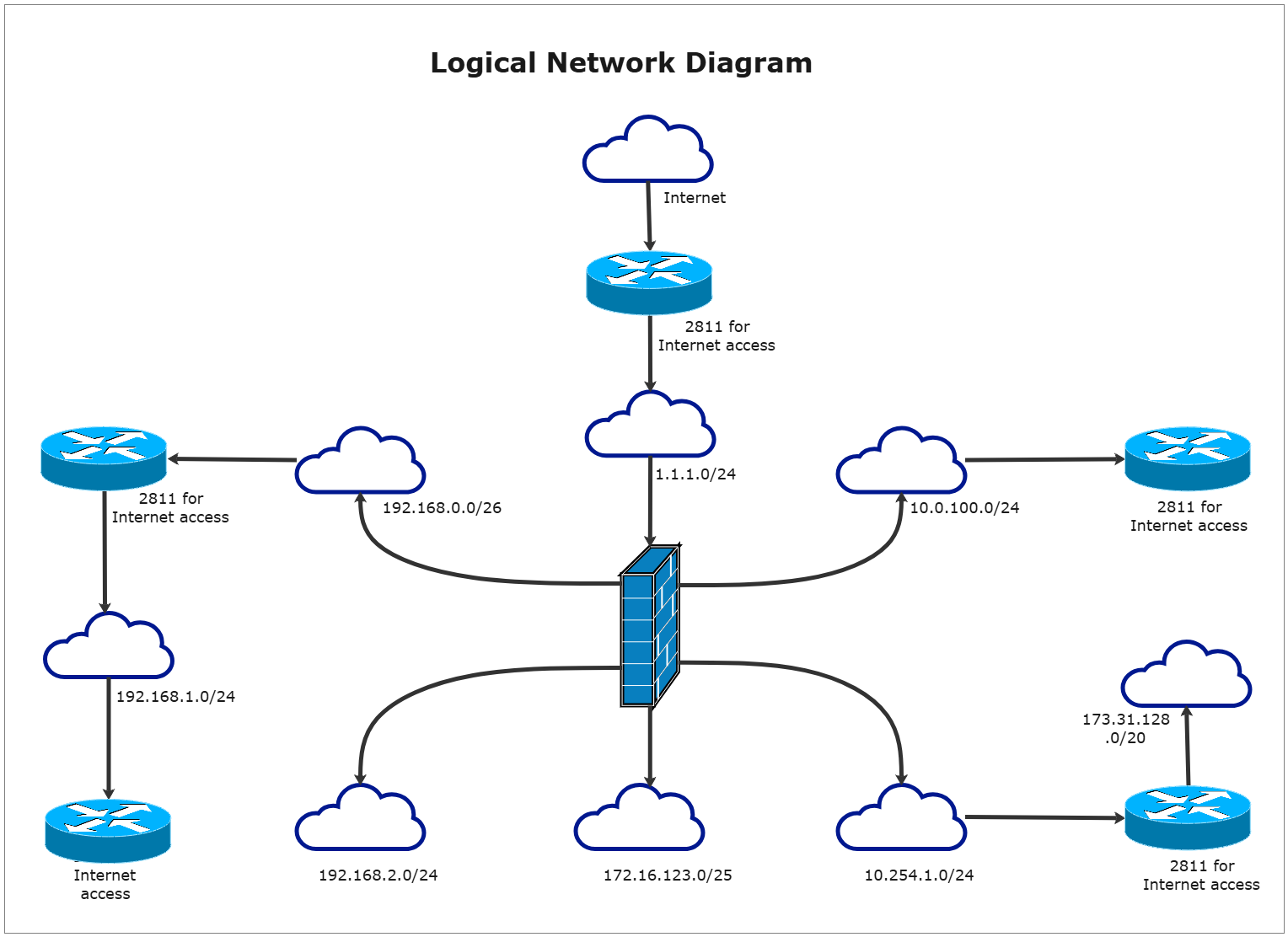
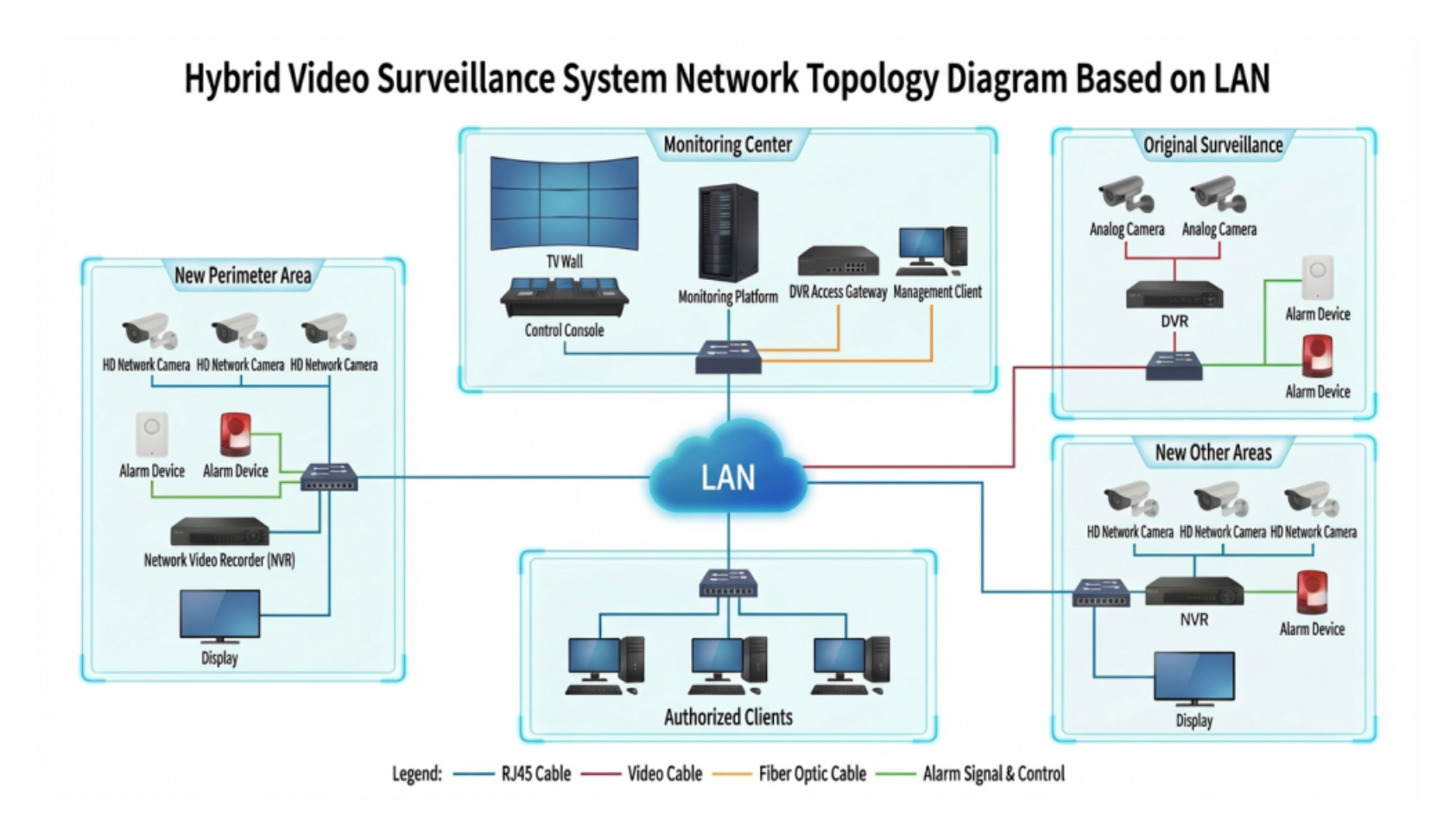
This corporate network infrastructure diagram template shows how devices, services, and support layers are organized across an enterprise network environment. It helps users explain technical structure more clearly instead of reducing the system to a generic list of IT components.
Core network components
The diagram appears to highlight the main infrastructure elements that define the enterprise environment. This matters because network planning often starts with understanding which devices or layers carry the core operational roles across the organization.
- Helps explain the major building blocks of the enterprise network
- Supports technical planning and documentation
- Useful for infrastructure review and communication
Service and support layers
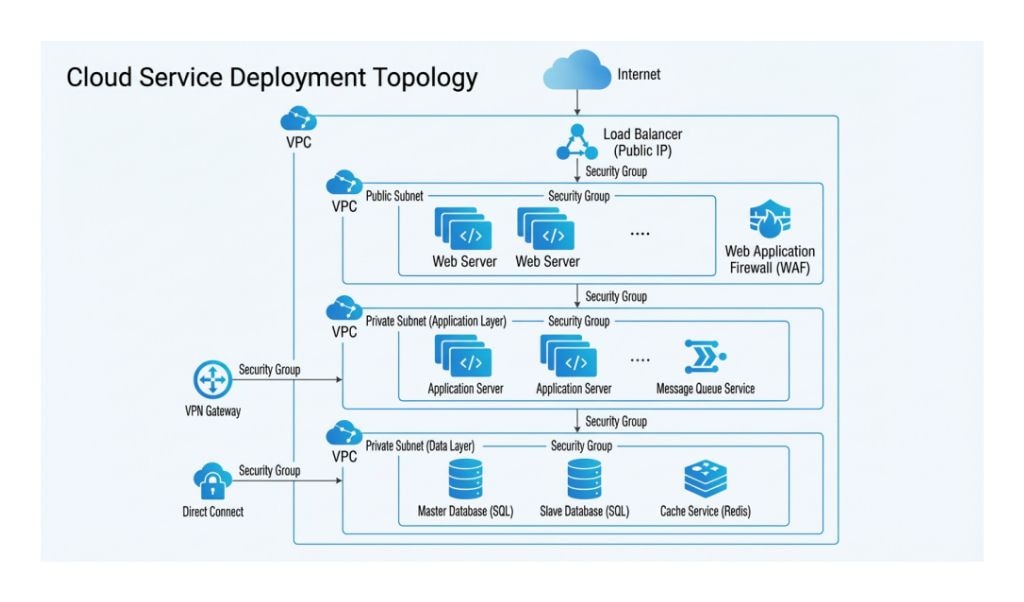
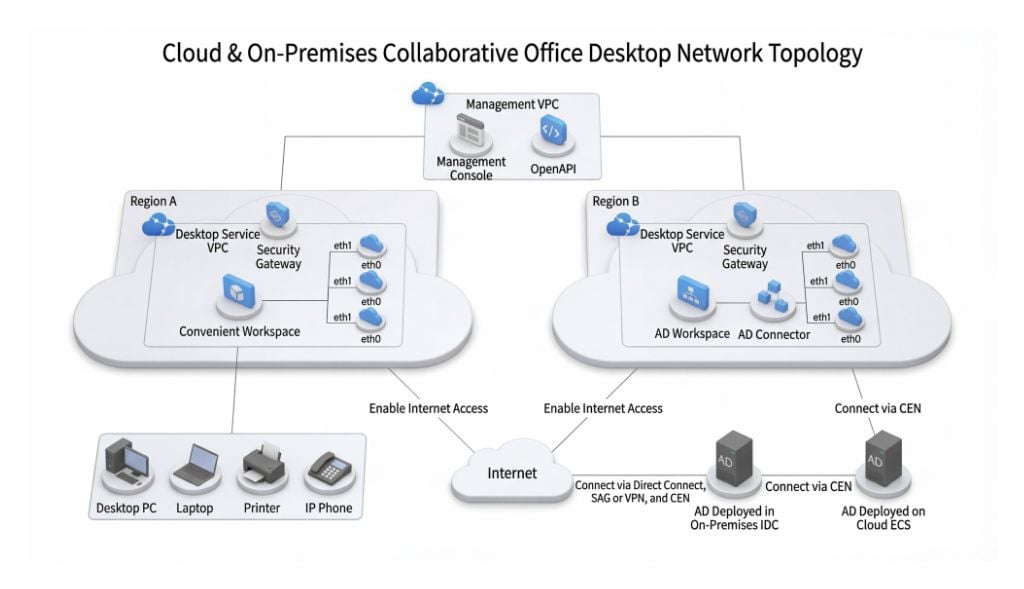
The visual arrangement also appears to show how network infrastructure supports wider business or technical functions rather than existing as isolated hardware. These relationships matter because enterprise environments are usually judged by how well components and services work together.
- Shows how support layers fit into the wider infrastructure
- Supports review of service relationships and dependency logic
- Useful for clearer enterprise-system explanation
Communication and operational structure
Beyond naming the infrastructure pieces, the diagram helps users discuss how the enterprise network is structured for operation and communication. This is useful because infrastructure diagrams often support review, onboarding, and architecture decisions across multiple teams.
- Useful for operational review and technical alignment
- Supports cross-team communication and documentation reuse
- Helps turn network structure into a practical reference
FAQs about this Template
-
What is a corporate network infrastructure diagram?
A corporate network infrastructure diagram is a visual overview of the devices, services, links, and access layers that support an organization’s network environment. It helps teams explain how business systems connect across offices, users, servers, and security boundaries.
-
What should a corporate network infrastructure diagram include?
A corporate network infrastructure diagram should include the core network devices, user access points, servers, cloud or internet links, security controls, and any important communication paths. It should show how the business environment is structured without becoming harder to read than the network itself.
-
What is the difference between network infrastructure and network topology?
Network infrastructure refers to the actual components and services that support communication, while network topology focuses on how those components are arranged and connected. Infrastructure is about what exists; topology is more about structural relationship and layout.
-
Why is network infrastructure important for a business?
Network infrastructure is important because it supports communication, application access, security, and day-to-day operations across the organization. A clear infrastructure plan helps teams maintain stability, scale systems more confidently, and explain technical dependencies to stakeholders.



 (AI & Web)