About Data Center Network Topology Diagram Template
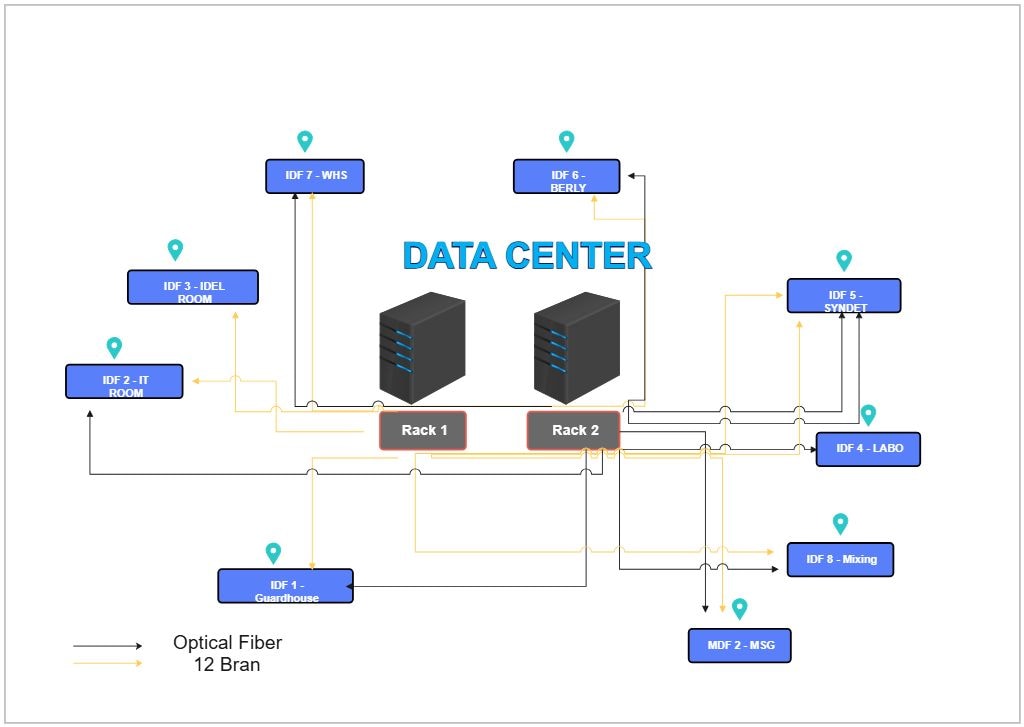
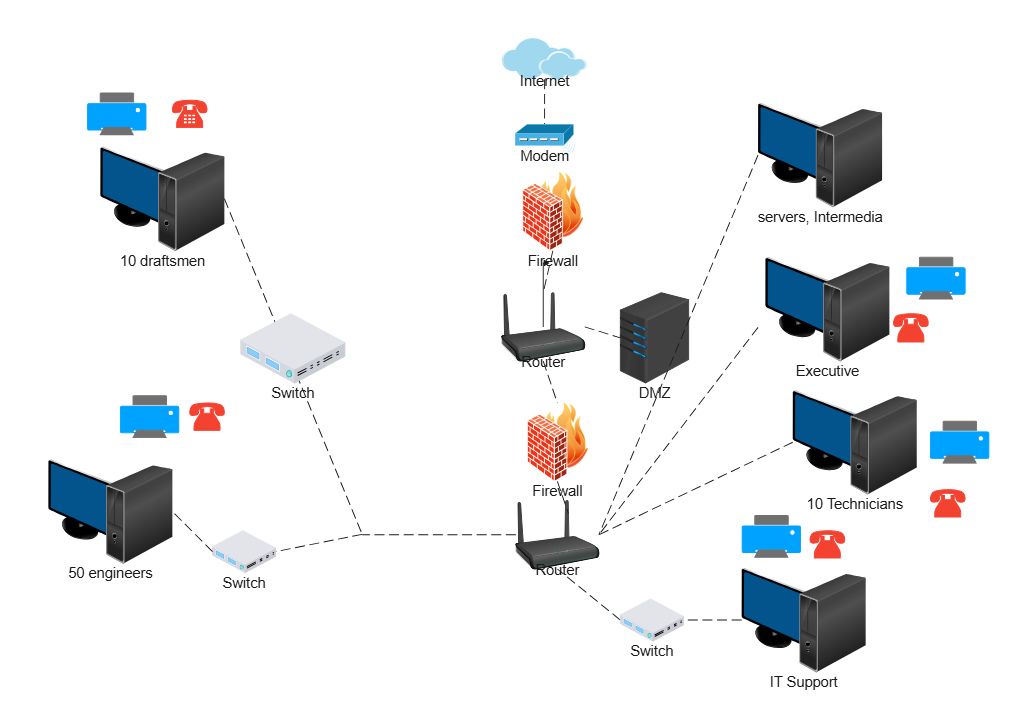
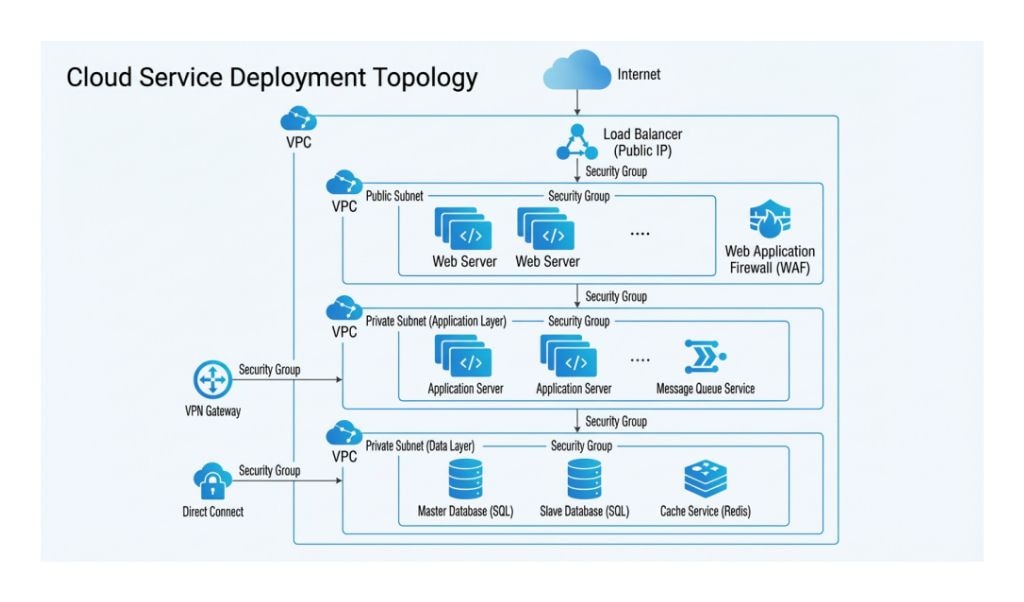
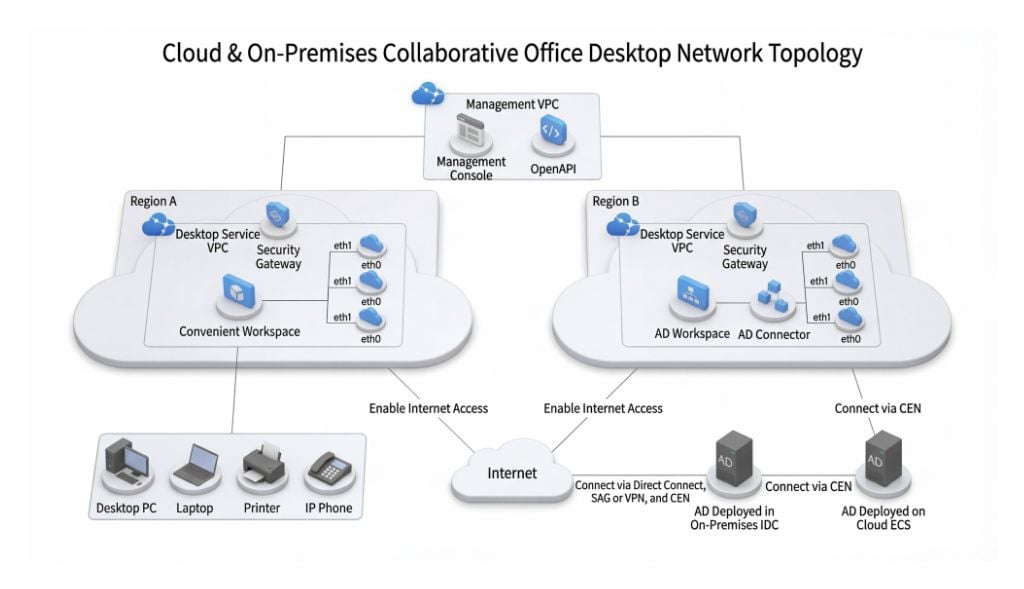
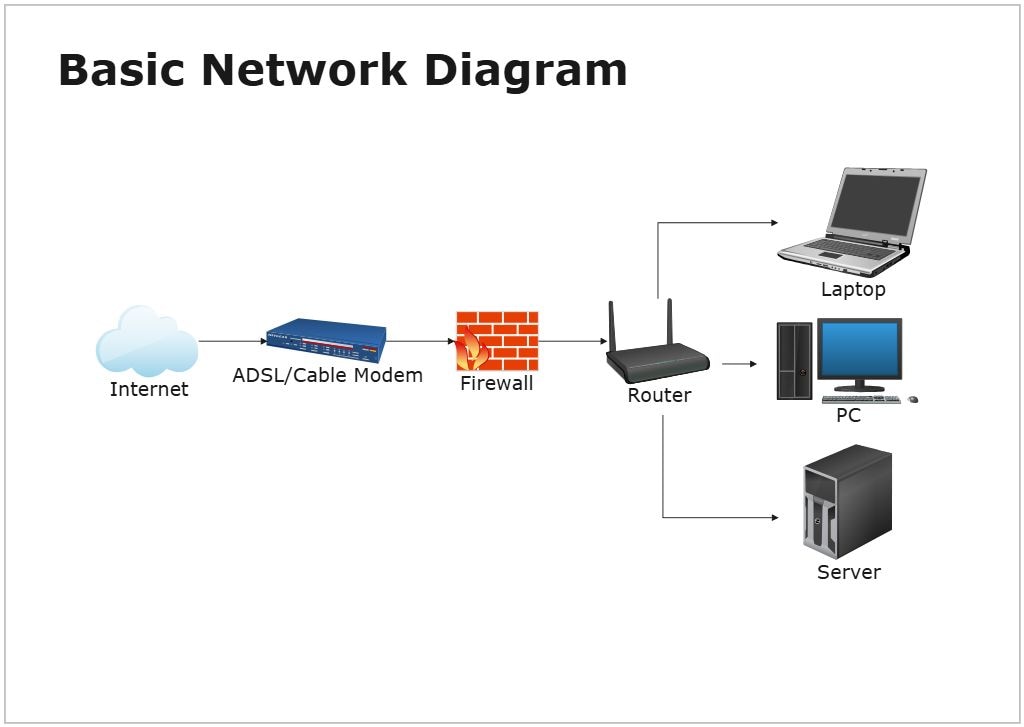
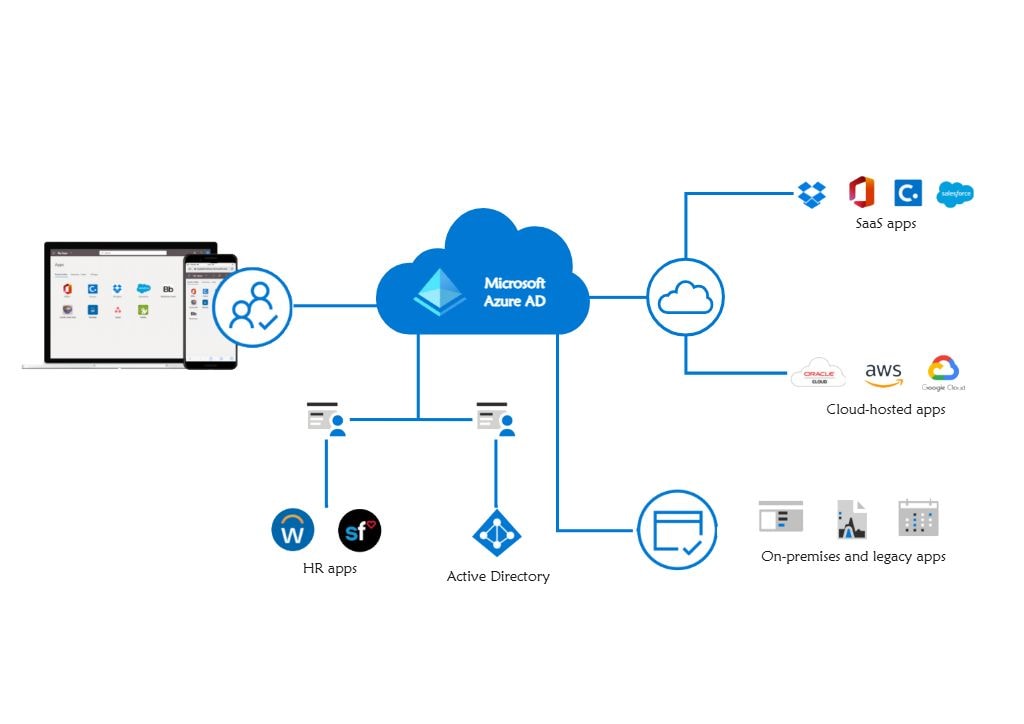
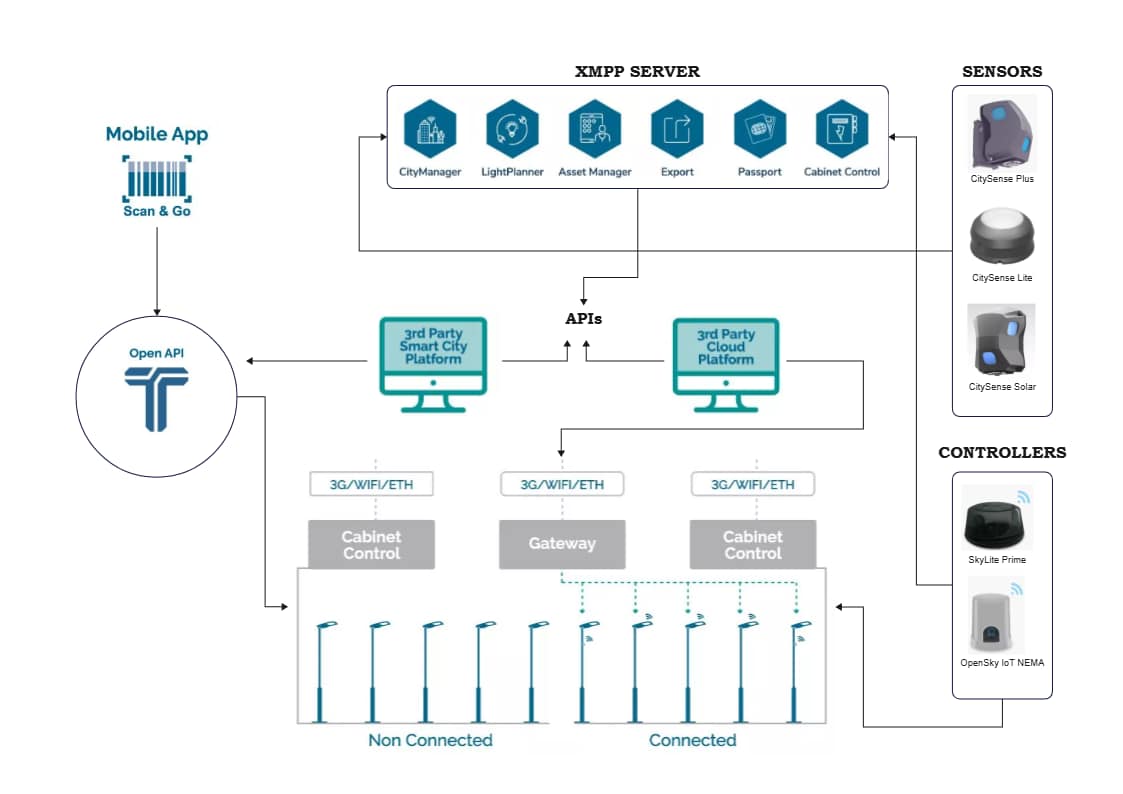
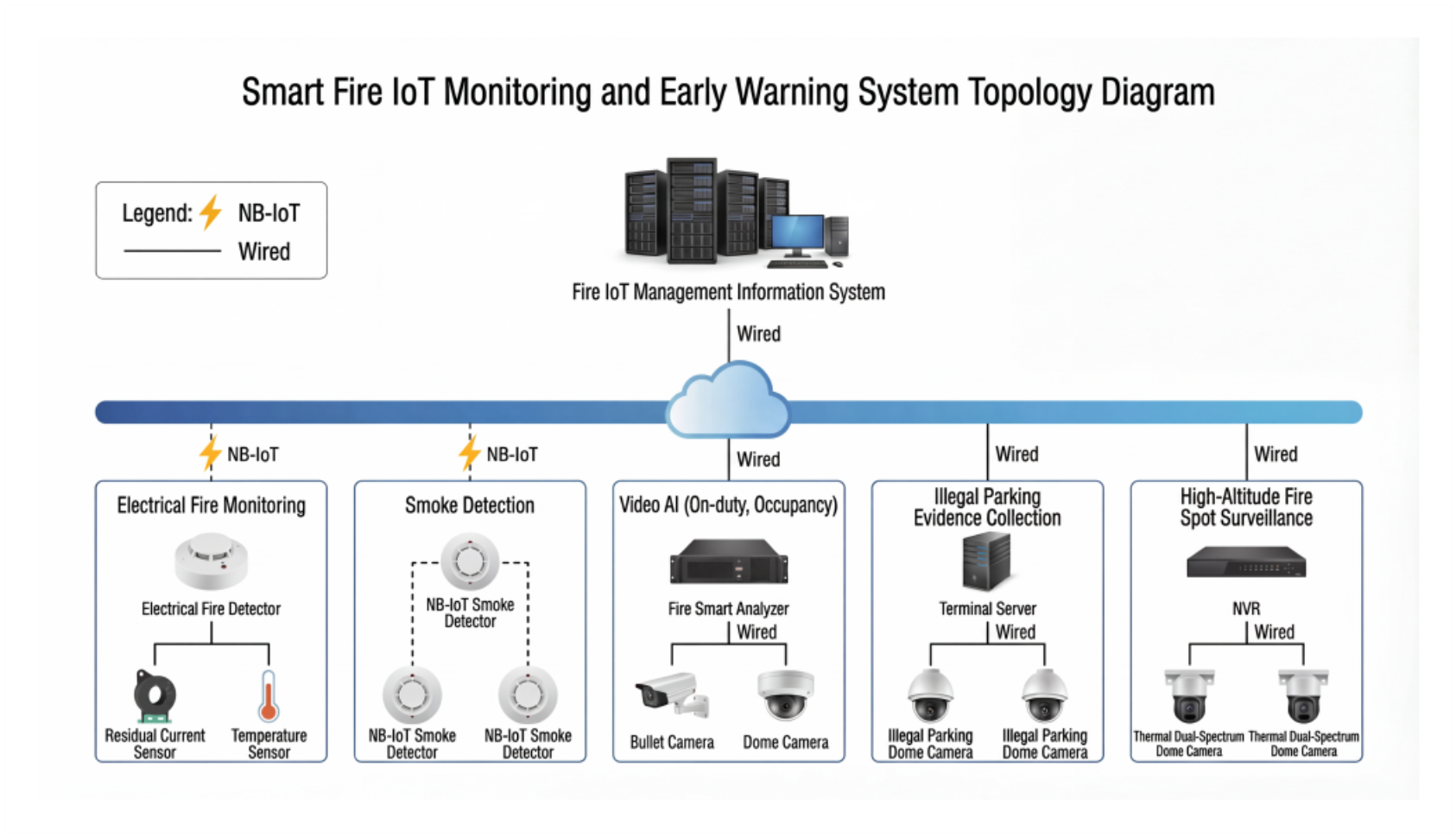
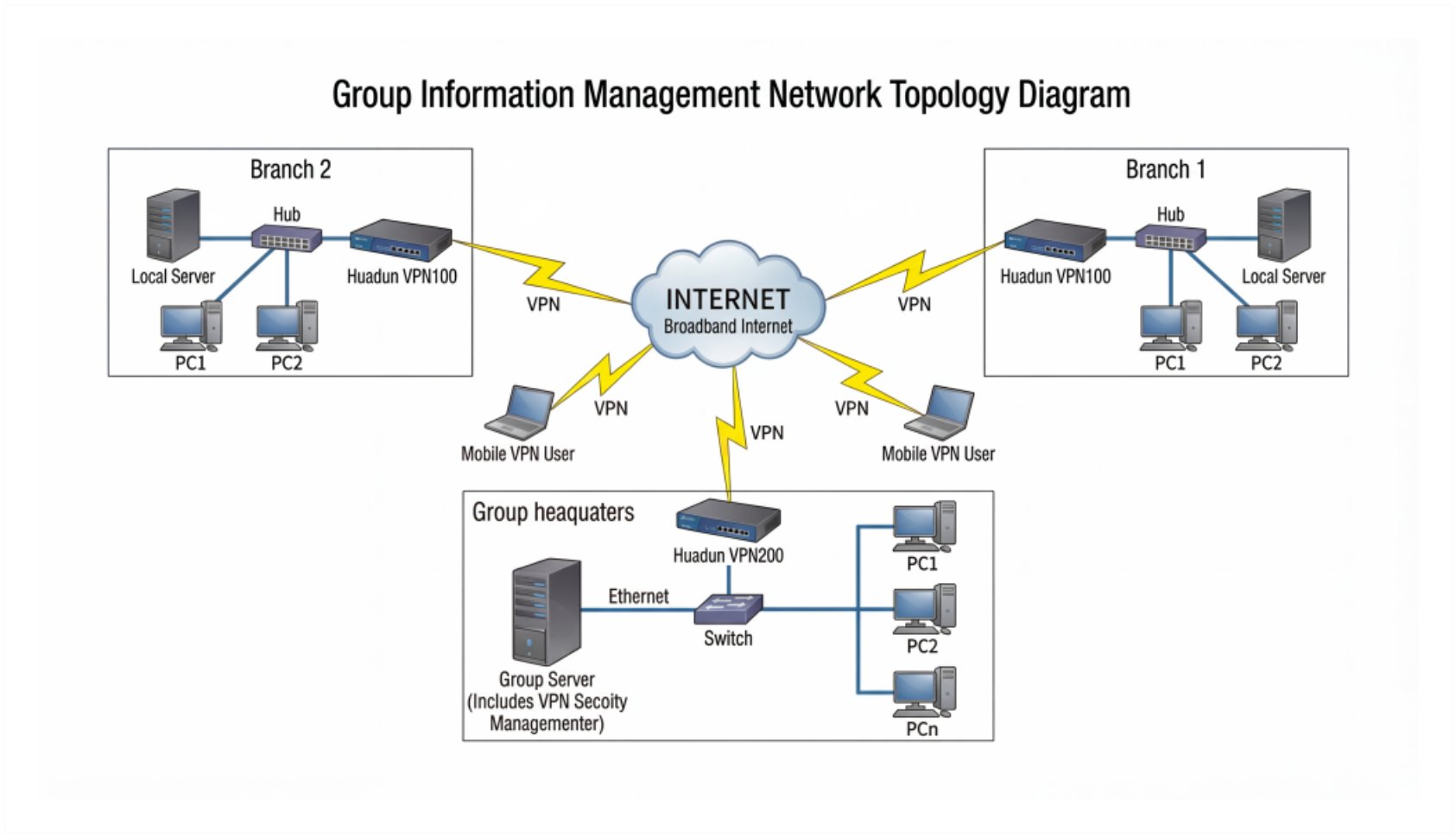
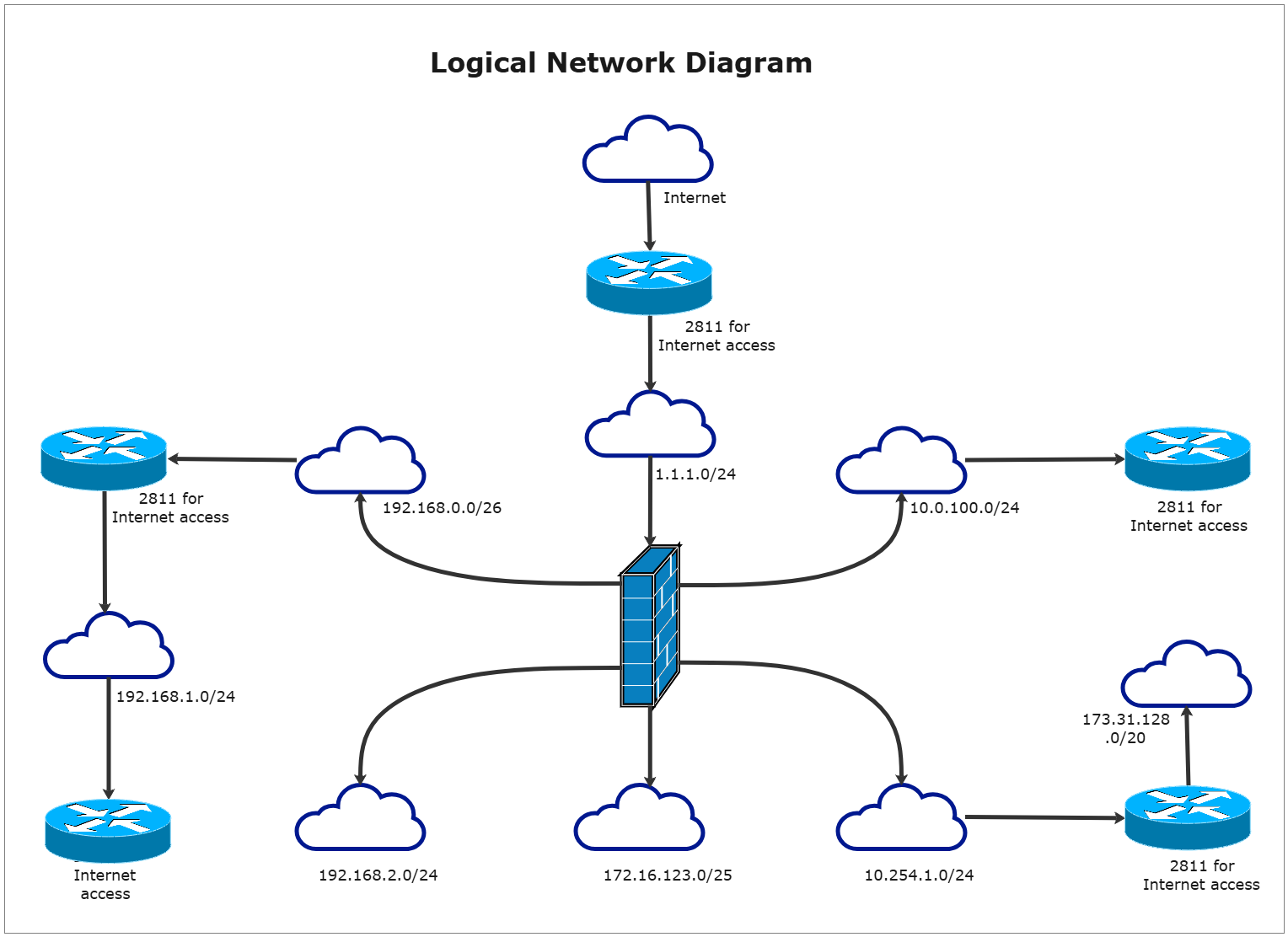
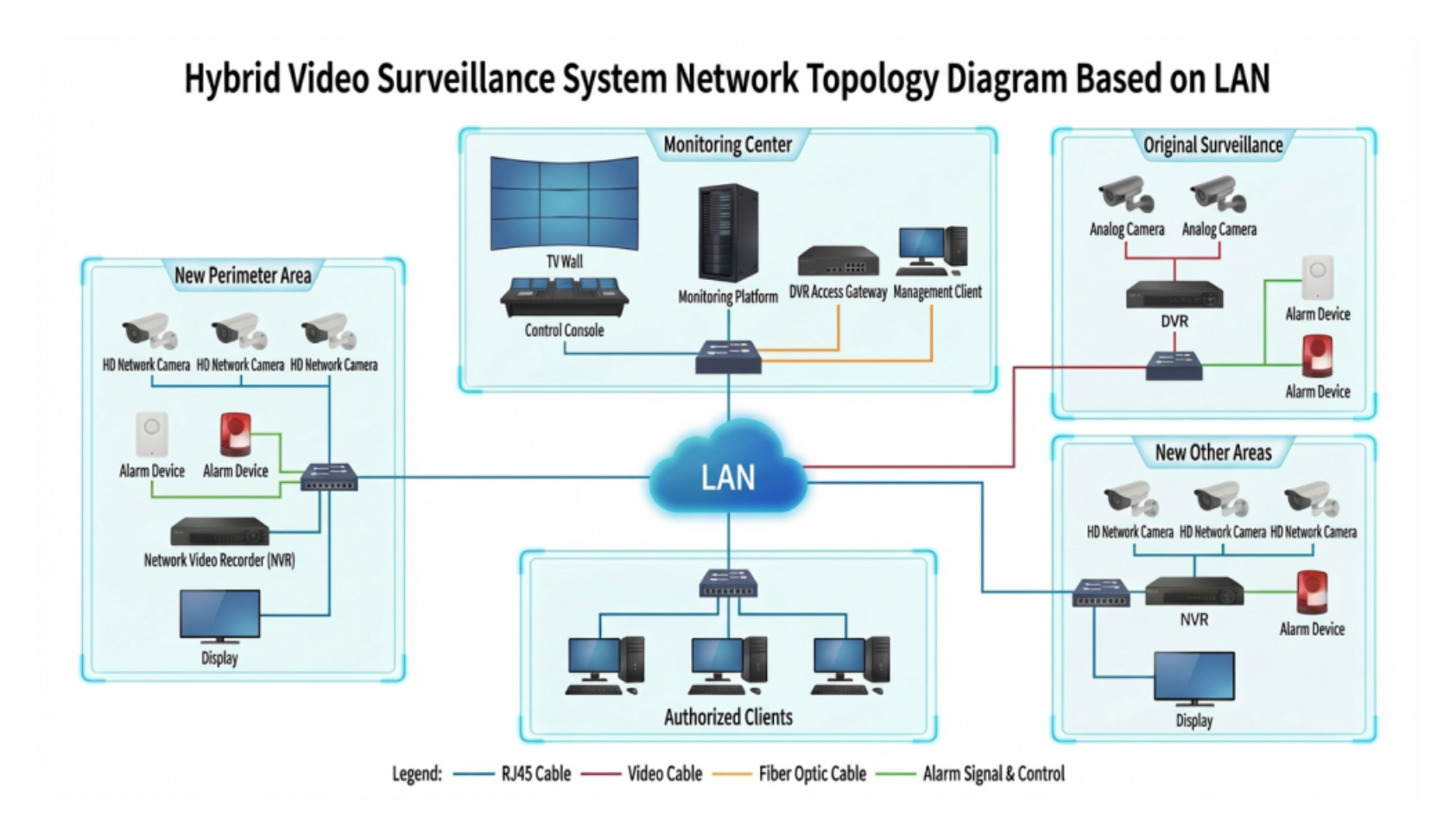
This data center network topology diagram template focuses on how the main network elements are arranged and connected inside a data center environment. It helps users explain structure, node relationships, and topology logic more clearly than a paragraph-based technical note.
Major network nodes
The diagram appears to identify the main devices or infrastructure points that define the core of the network. This matters because topology review depends first on understanding which nodes carry the most important structural roles.
- Helps explain the major technical nodes in the environment
- Supports topology review and infrastructure communication
- Useful for architecture planning and comparison
Topology relationships
The visual arrangement helps users review how the nodes are connected rather than only listing the components individually. In topology work, these relationships matter because they affect redundancy, traffic flow, and the overall structure of the system.
- Shows how the major nodes connect structurally
- Supports discussion of topology logic and dependency
- Useful for reviewing network arrangement in one view
Scalability and operational review
The diagram also helps users think about how the environment may scale or be maintained over time. This is useful because topology decisions often influence how easy the data center is to operate, extend, and troubleshoot later.
- Useful for long-term infrastructure planning
- Supports clearer operational review
- Helps turn topology structure into a reusable technical reference
FAQs about this Template
-
What is a data center network topology diagram?
A data center network topology diagram is a visual representation of how network devices and systems are arranged and connected inside a data center. It focuses on structure, layering, and communication paths so teams can understand network organization more clearly.
-
What are the types of network topology used in data centers?
Common topology approaches in data center environments include hierarchical, spine-leaf, and other structured connection models designed for scalability, redundancy, and efficient traffic flow. The right choice depends on workload size, growth expectations, and performance requirements.
-
What should a data center topology diagram include?
A data center topology diagram should include the main switches, routers, server groups, traffic layers, interconnections, and any important security or segmentation boundaries. It should make both physical and logical relationships easier to review before deployment or change planning.
-
Why is data center topology important?
Data center topology is important because the way components are connected affects scalability, resilience, latency, and maintenance complexity. A clear topology view helps teams design infrastructure more effectively and evaluate whether the network can support current and future demand.

 (AI & Web)