About this Plant Concept Map template
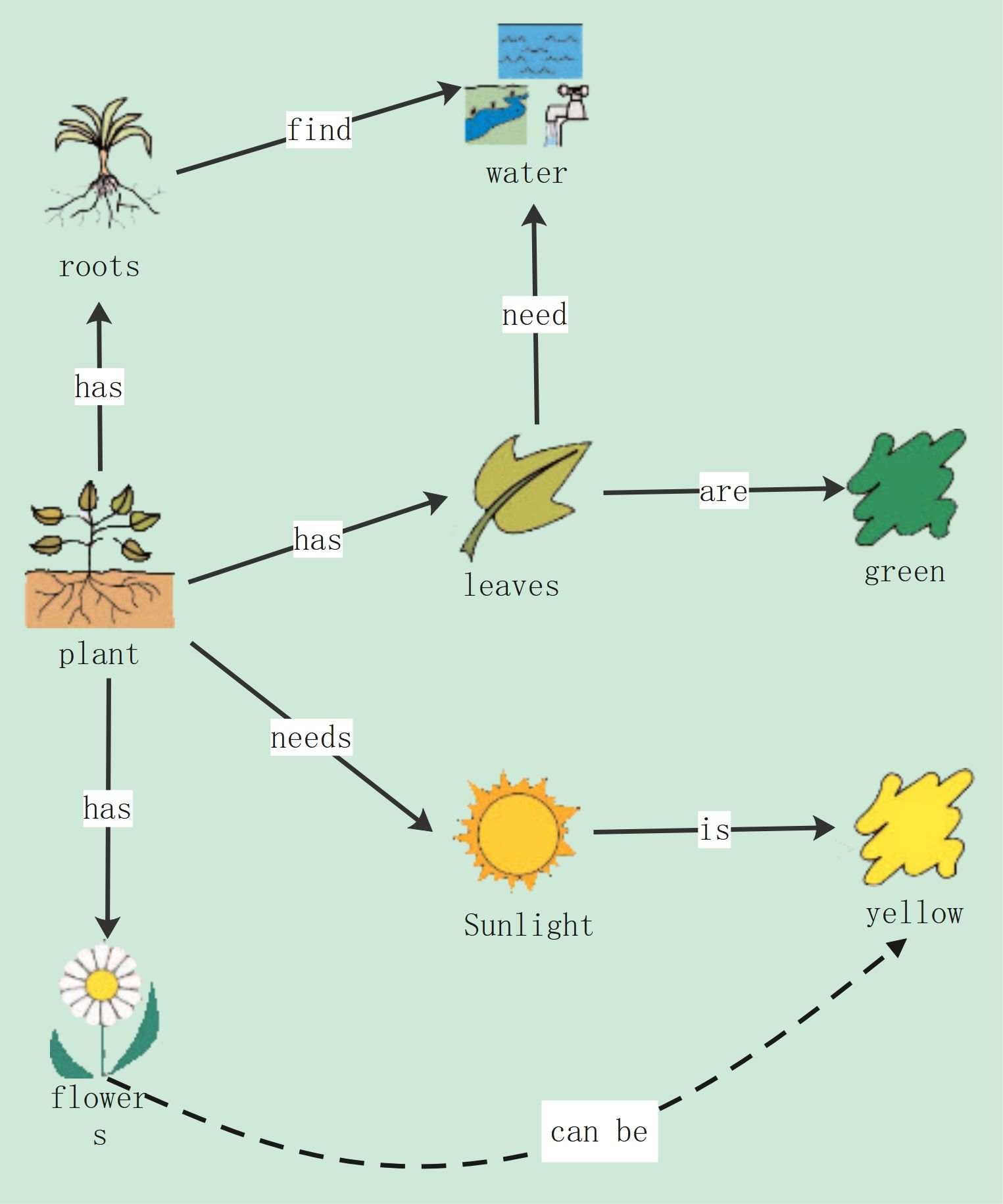
This template provides a clear visual guide to the basic biology of plants. It is perfect for classroom settings or nature study. You can use it to teach students how different organs function together to support life.
Plant Anatomy
The core of this map identifies the primary physical structures of a plant. It shows how the main body branches into distinct organs like leaves and roots. This helps students learn the basic building blocks of botany.
- Roots
- Leaves
- Flowers
Essential Growth Needs
Plants rely on specific environmental factors to survive and thrive. This section highlights the vital inputs required for a healthy life cycle. Mapping these needs explains how plants interact with their natural surroundings to produce energy.
- Water
- Sunlight
Visual Characteristics
Observation is key to understanding nature, so this map includes color associations. It links specific parts or energy sources to their typical appearance. These visual cues help younger learners identify and remember different plant components easily.
- Leaves are green
- Sunlight is yellow
- Flowers can be yellow
FAQs about this Template
-
How does a plant concept map help in learning?
A plant concept map simplifies complex biological ideas by breaking them down into visual connections. It allows students to see how roots, water, and sunlight are linked in a single view. This spatial organization improves memory and helps learners understand cause-and-effect relationships. By using simple labels and arrows, the map makes botany accessible to people of all ages.
-
What are the main parts of a plant shown here?
The map highlights three fundamental parts: the roots, leaves, and flowers. Roots are responsible for finding water in the soil to hydrate the plant. Leaves capture sunlight and are usually green because of chlorophyll. Flowers are the reproductive parts and can come in various colors. Understanding these parts is the first step in learning how plants grow and survive in nature.
-
Why are sunlight and water important for plants?
Sunlight and water are the primary resources plants need for photosynthesis. Sunlight provides the energy required to transform raw materials into food. Water is absorbed through the roots and transported to the leaves. Without these two elements, a plant cannot create energy or maintain its structure. This concept map clearly illustrates how these inputs connect to the plant's survival and growth.

 (AI & Web)