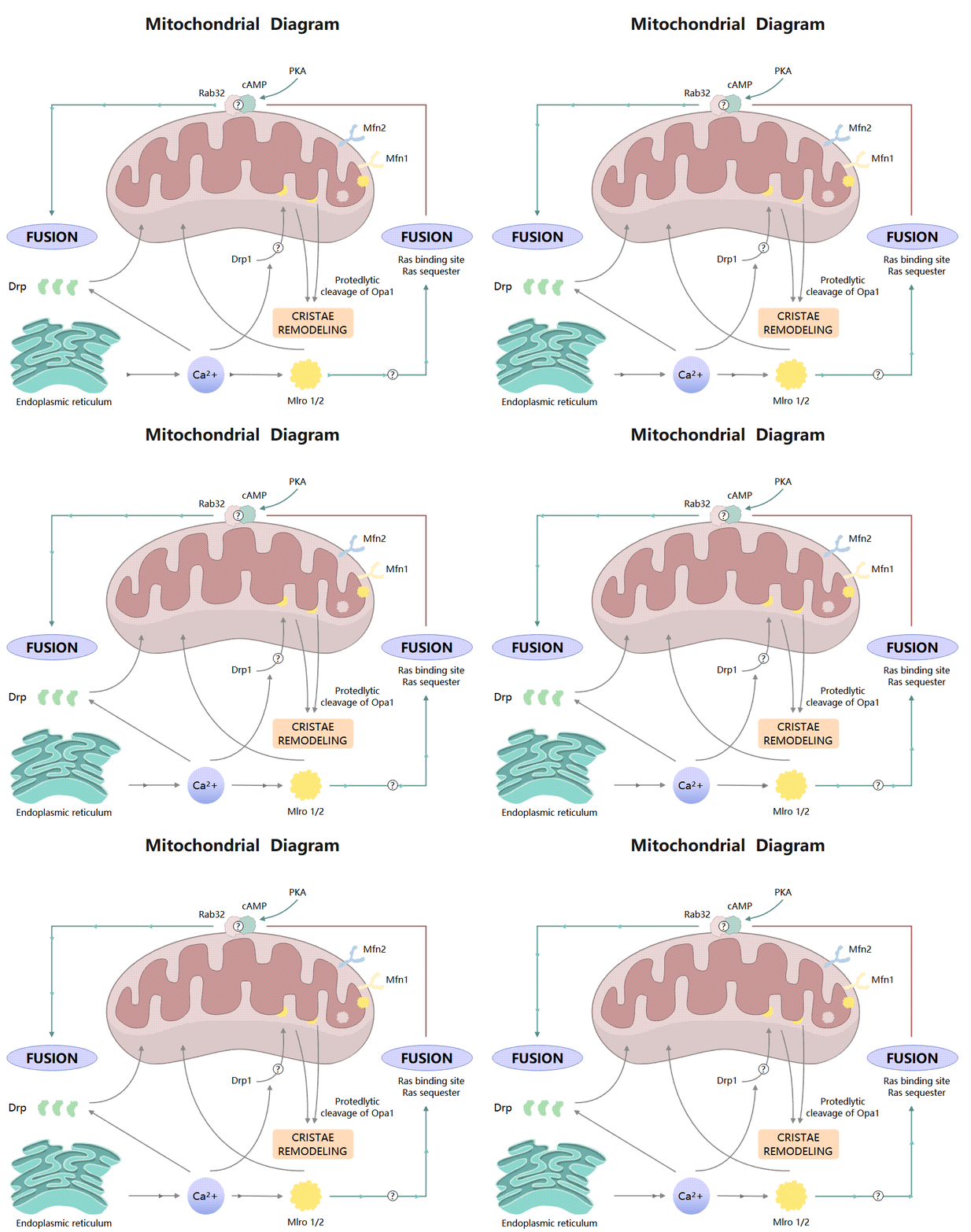
About this Mitochondria Diagram template
This diagram template provides a clear visual representation of mitochondrial dynamics. It illustrates the complex interplay between proteins, calcium signaling, and organelle membranes. It is ideal for biology students and educators looking to simplify complex cellular mechanisms and interactions within living systems.
Mitochondrial Fusion Processes
Mitochondrial fusion involves the merging of outer and inner membranes to share genetic material and proteins. This process is essential for maintaining organelle quality and optimizing energy production within various cell types throughout the body.
- Mfn1 and Mfn2 (Outer Membrane Fusion)
- Ras binding site interaction
- Rab32 and cAMP signaling pathway
- PKA anchoring for metabolic control
Endoplasmic Reticulum Interactions
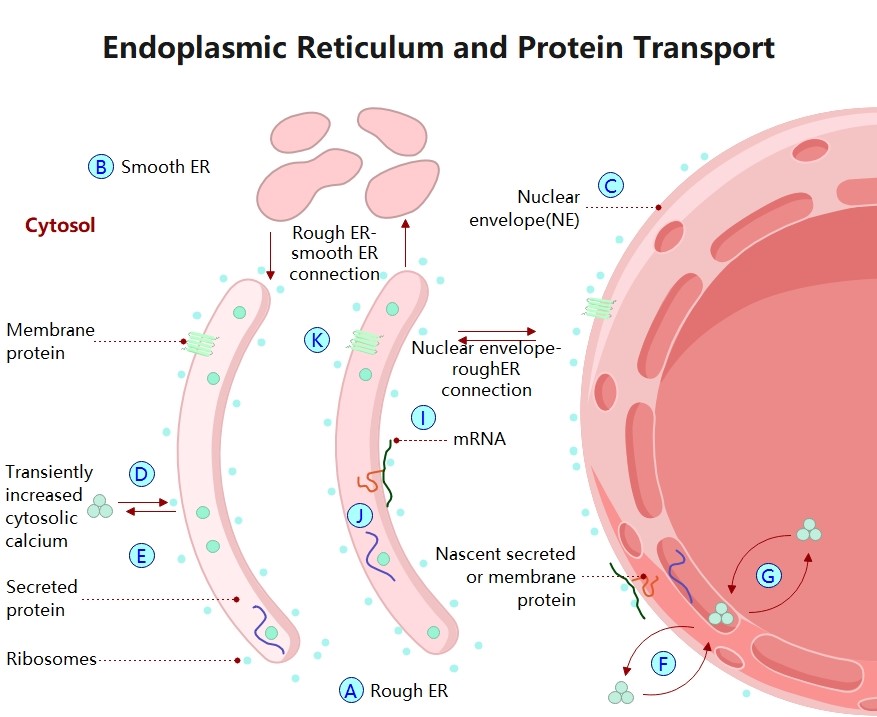
The endoplasmic reticulum (ER) communicates with mitochondria through direct contact sites. This interaction regulates calcium transfer, which is crucial for mitochondrial movement and fission. These signals help the cell respond to changing energy needs and stress.
- Calcium ion (Ca2+) signaling
- Miro 1/2 protein recruitment
- Drp1 recruitment for membrane constriction
- Coordination of metabolic efficiency
Cristae Remodeling and Opa1
Cristae remodeling changes the shape of the inner membrane to maximize surface area for ATP production. This process is highly regulated by the proteolytic cleavage of Opa1. It directly influences how effectively the cell generates chemical energy.
- Proteolytic cleavage of Opa1
- Maintenance of inner membrane structure
- Enhanced respiratory chain efficiency
- Regulation of apoptosis and cell death
FAQs about this Template
-
Why is the interaction between the ER and mitochondria important?
The interaction between the endoplasmic reticulum and mitochondria is vital for cellular calcium homeostasis. The ER releases calcium ions at contact sites, which triggers mitochondrial fission and regulates metabolic enzymes. This communication ensures that mitochondria can effectively respond to the cell's energy demands. Furthermore, these sites are essential for lipid synthesis and maintaining the overall structural integrity of the mitochondrial network.
-
What role do Mfn1 and Mfn2 play in mitochondrial health?
Mitofusins 1 and 2 are proteins located on the outer mitochondrial membrane that facilitate the process of fusion. By allowing mitochondria to merge, they promote the exchange of proteins and mitochondrial DNA between individual organelles. This resource sharing helps mitigate the effects of localized damage and prevents the accumulation of dysfunctional mitochondria. Maintaining a healthy fusion rate is critical for preventing diseases related to metabolic failure.
-
How does Opa1 influence mitochondrial energy production?
Opa1 is a protein responsible for the fusion of the inner mitochondrial membrane and the organization of cristae. By controlling cristae remodeling, Opa1 optimizes the surface area available for the electron transport chain. This leads to more efficient ATP production and prevents the leakage of pro-apoptotic factors. If Opa1 function is disrupted, mitochondria become fragmented, and the cell’s ability to generate energy is significantly compromised.

 (AI & Web)