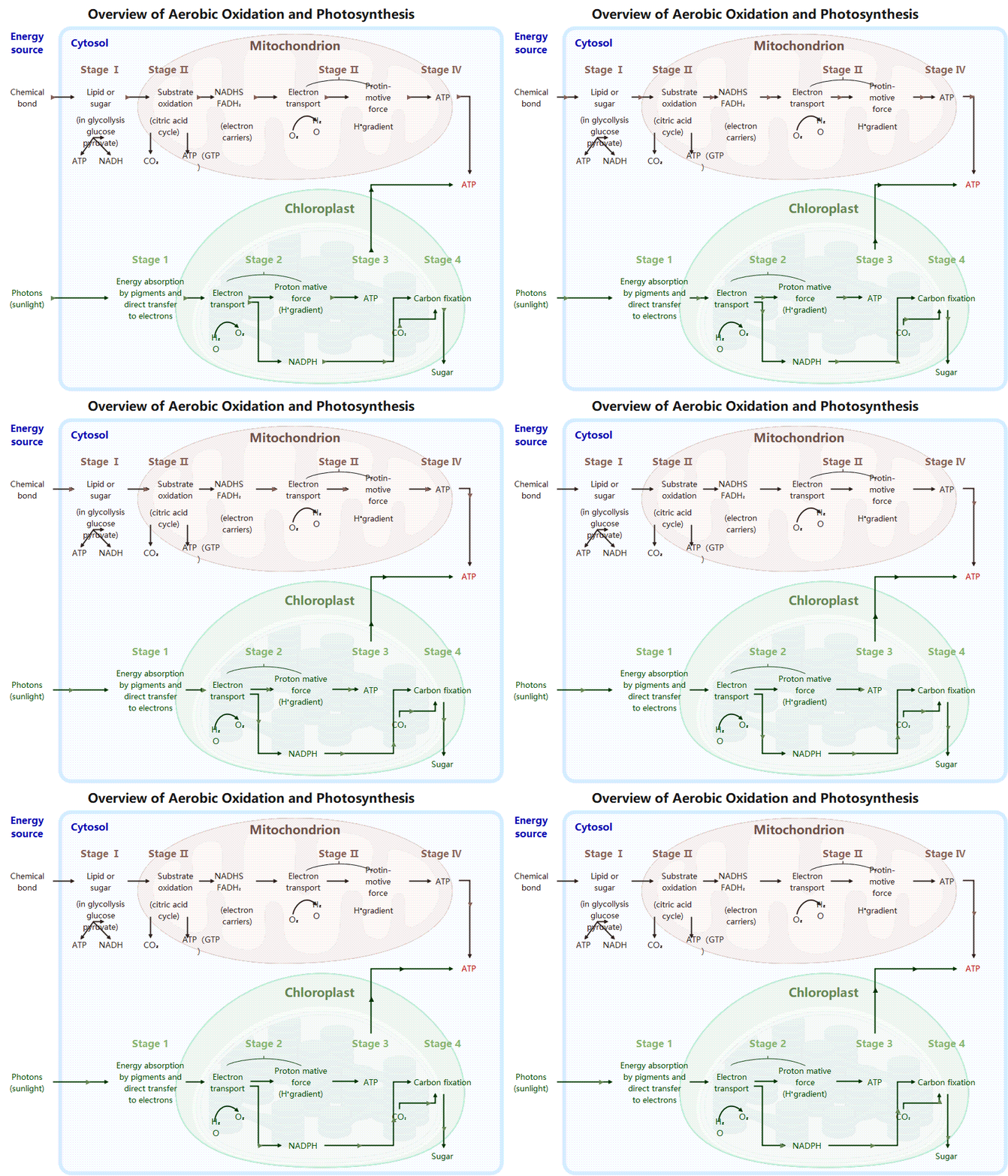
Cellular Respiration vs Photosynthesis
This diagram provides a clear side-by-side view of aerobic oxidation and photosynthesis. It highlights the stages occurring in the mitochondrion and chloroplast, showing how energy flows through chemical bonds and sunlight within cells.
Aerobic Oxidation in Mitochondria
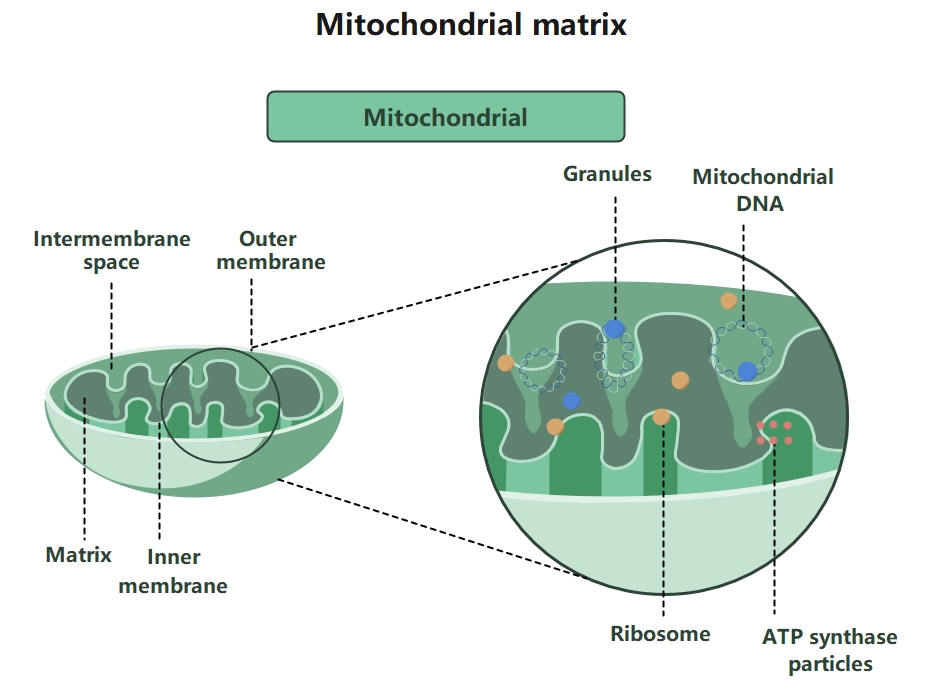
This section explores how cells break down lipids and sugars to create energy. It follows the journey from glycolysis in the cytosol to the complex chemical cycles that happen within the mitochondrial matrix and inner membrane.
- Stage I: Glycolysis converts glucose into pyruvate and produces ATP and NADH.
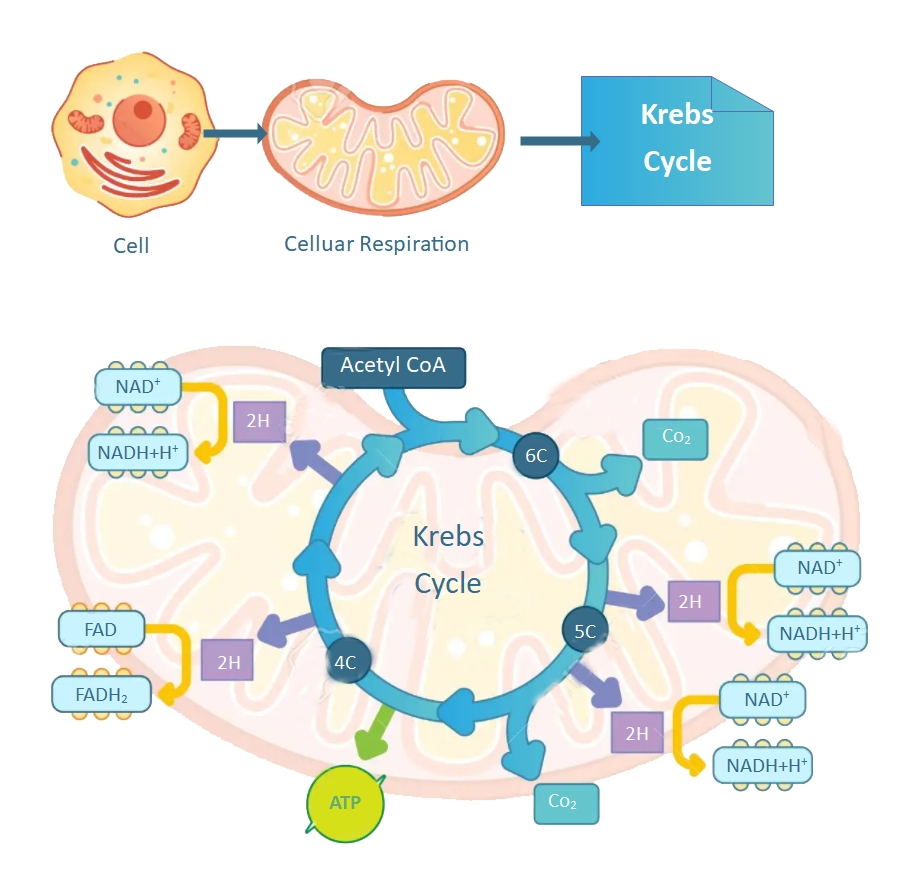
- Stage II: The Citric Acid Cycle releases CO2 and generates electron carriers like FADH2.
- Stage III: The electron transport chain creates a vital proton-motive force and H+ gradient.
- Stage IV: Final ATP production provides the cell with the necessary chemical energy for survival.
Photosynthesis in Chloroplasts
Photosynthesis transforms light energy into chemical energy stored in sugars. This process occurs in the chloroplast, using photons and water to drive electron transport and carbon fixation, ultimately producing glucose and oxygen for life.
- Stage 1: Pigments absorb sunlight and transfer energy directly to electrons for the cycle.
- Stage 2: Water is split to release oxygen and build the carrier molecule NADPH.
- Stage 3: ATP is synthesized using the proton motive force to power the next phase.
- Stage 4: Carbon fixation uses CO2 to build organic sugar molecules for plant growth.
FAQs about this Template
-
How are cellular respiration and photosynthesis connected?
They form a biological cycle where the products of one are the reactants of the other. Photosynthesis produces oxygen and glucose, which are essential for cellular respiration. In return, respiration releases carbon dioxide and water, which plants need for photosynthesis. This exchange ensures that energy flows through ecosystems and that atmospheric gases remain balanced for all life forms.
-
What is the primary role of the electron transport chain?
The electron transport chain is a series of proteins that transfer electrons to create a proton gradient. This gradient acts like a battery, powering the synthesis of ATP. In respiration, it uses oxygen as the final electron acceptor. In photosynthesis, it helps generate NADPH and ATP. Both processes are crucial for converting raw energy into a usable chemical form.
-
Why are mitochondria and chloroplasts called powerhouses?
Mitochondria are the powerhouses of animal and plant cells because they generate ATP through aerobic oxidation. Chloroplasts are the powerhouses for plants and algae because they capture solar energy to produce food. Both organelles use specialized membranes and complex enzyme systems to convert external energy sources into the chemical bonds that sustain biological life and cellular functions.

 (AI & Web)