




The East Wing of the White House floor plan defines the actual working behind the scenes. Its layout is the perfect blend of public access to administrative activities, creating space for tours, security, and the Office of the First Lady. Each level has a distinct purpose with a practical and symbolic structure.
In this article
How Is the East Wing Organized
The East Wing has a very clean vertical design, which we may note, given the building's use. In the White House, which is on the lower levels, we find service and logistical areas, and as you go up to the top levels, we have administrative and public spaces. This well-thought-out floor plan, a design feature, is intended to ensure that daily operations run smoothly.
The East Wing Ground Floor
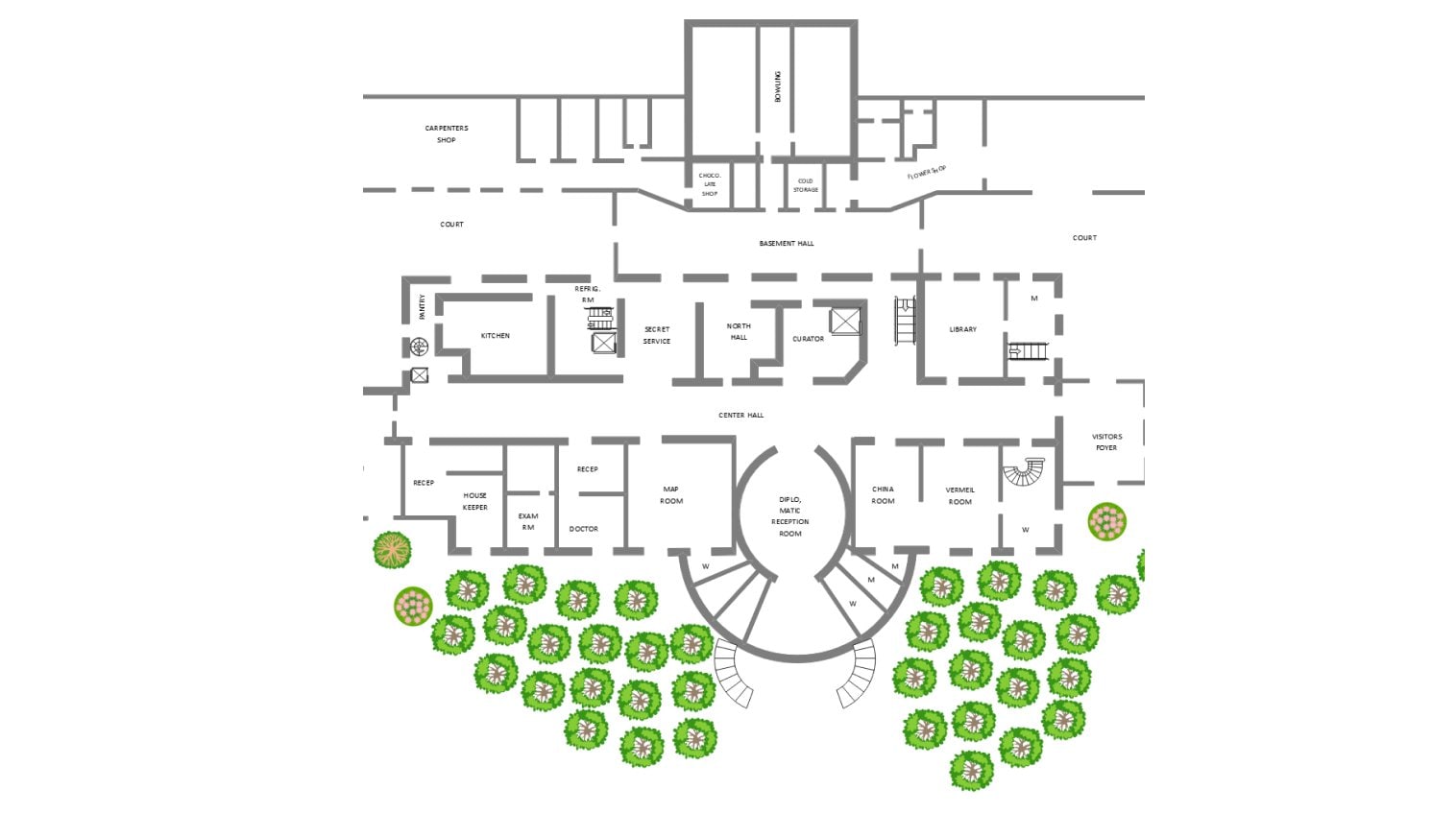


The ground floor is the main point of entry for visitors and the hub for several administrative activities. This space is for the balance between access and operation, including public tours, official functions, and daily staff work, all of which proceed without issue.
In many cases, we have both public and private:
- Visitor Entrance and Reception Areas: Manage guest flow and at the same time, see to security issues, yet still maintain that welcome atmosphere.
- Gardens and Outdoor Access: Connects to the outside areas such as the East Colonnade and adjacent gardens, which in turn give visitors scenic paths and controlled entry points.
- Administrative Offices: Plan and schedule visits, also support the First Lady and her team in their work.
- Meeting Rooms: Small conference or briefing rooms for internal coordination without access to more private upper floors.
The layout is structured to manage high traffic while maintaining organized operations. Reception and administrative zones are strategically placed in the East Wing to ensure guests can move smoothly through the space and staff can manage events, while sensitive areas remain secure. Careful design of this floor brings out the best in terms of functionality and elegance at ground level.
The First Floor of the East Wing
The East Wing’s first floor is responsible for blending formal and personal spaces. You will find more hidden infrastructure at this level than at its upper level. It is a home to key spaces to shape how the First Lady and her staff operate.
Some of the primary areas on this level are:
- First Lady's Office: The office of the First Lady has been housed on the first floor for decades. It is a workspace of historical significance.
- Lobby/Visitor Entrance: Upon arrival, guests enter this floor’s lobby, which greets them.
- Garden Room: This floor has a quiet setting by the garden, ideal for more casual meetings or receptions.
- White House Family Theater: A small theater within this level, which is for the First Family and select guests.
This floor is very much so because we see in it the change in the First Lady’s role, which is no longer just a social hostess but now has a dedicated office that runs initiatives, coordinates staff, and puts out policy.
This floor connects the private functions with the public access. Visitors can enter through the East Wing of the building, and the First Lady can be seen just out of view every day. Balanced accessibility and discretion are core strengths of the East Wing design.
The East Wing’s Second Floor
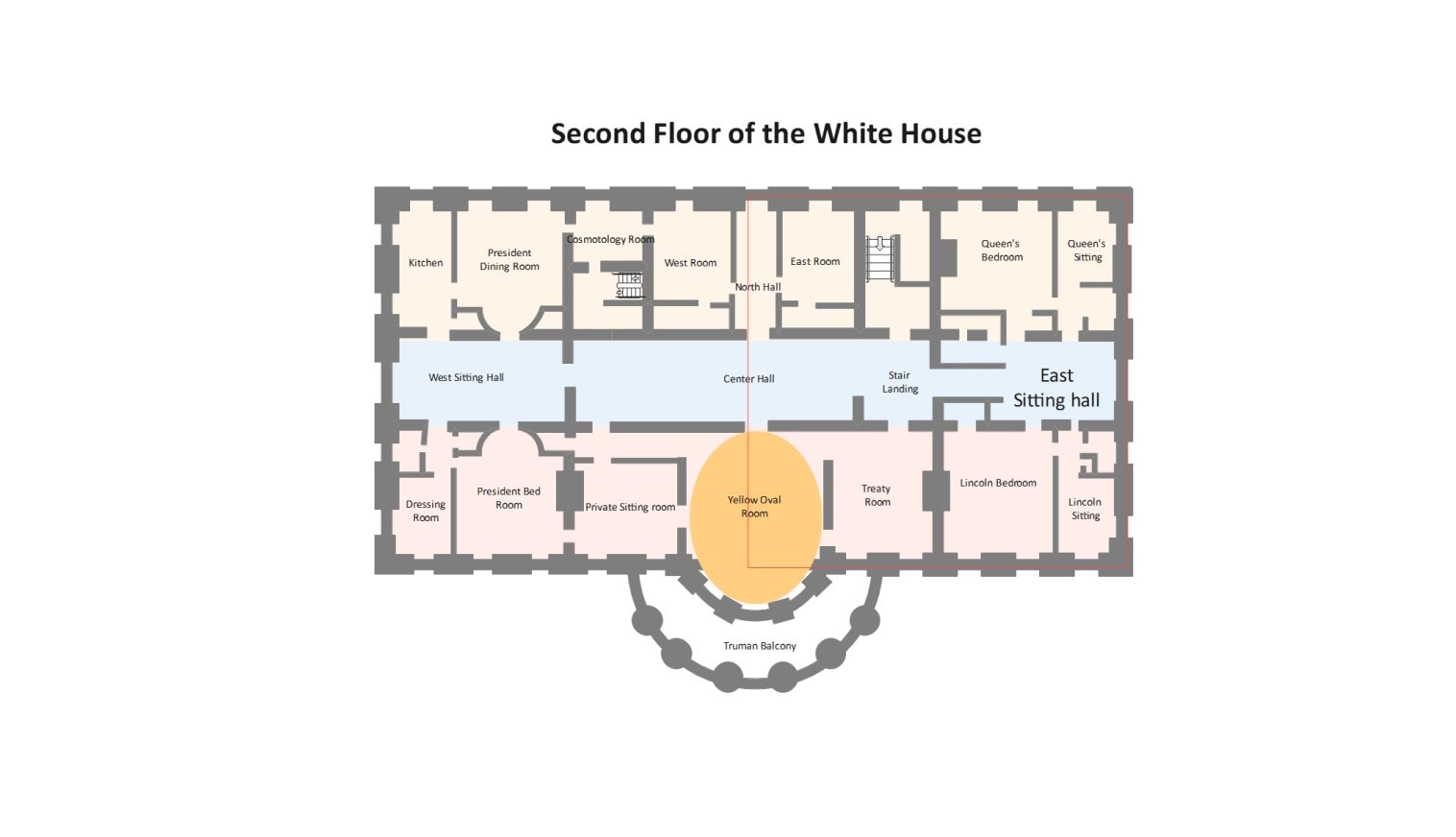
The second floor of the East Wing supports administrative functions to keep the building running smoothly. This level is more private and provides a dedicated space for staff and operational activities, which is rare for visitors.
The key areas on the second floor include:
- Staff Offices: Scheduling, communications, and coordination of the First Lady and East Wing personnel have the support of various administrative offices.
- Conference and Meeting Rooms: These spaces, which staff use to plan events, run daily operations, and coordinate with other White House teams, are essential to the functioning of the White House and without which public areas are disrupted.
- Support Facilities: Small storage rooms or work areas help staff manage supplies and documentation needed for ongoing functions.
The second floor is essential to keep operations organized and out of the public area. Administrative and support areas are on this floor in the East Wing to maintain a smooth workflow, keeping the first floor accessible to guests and visitors. The separation ensures discretion, efficiency, and continuity in demonstrating the East Wing design, which balances functionality with the ceremonial and public-facing aspects of the White House.
The East Wing Basement
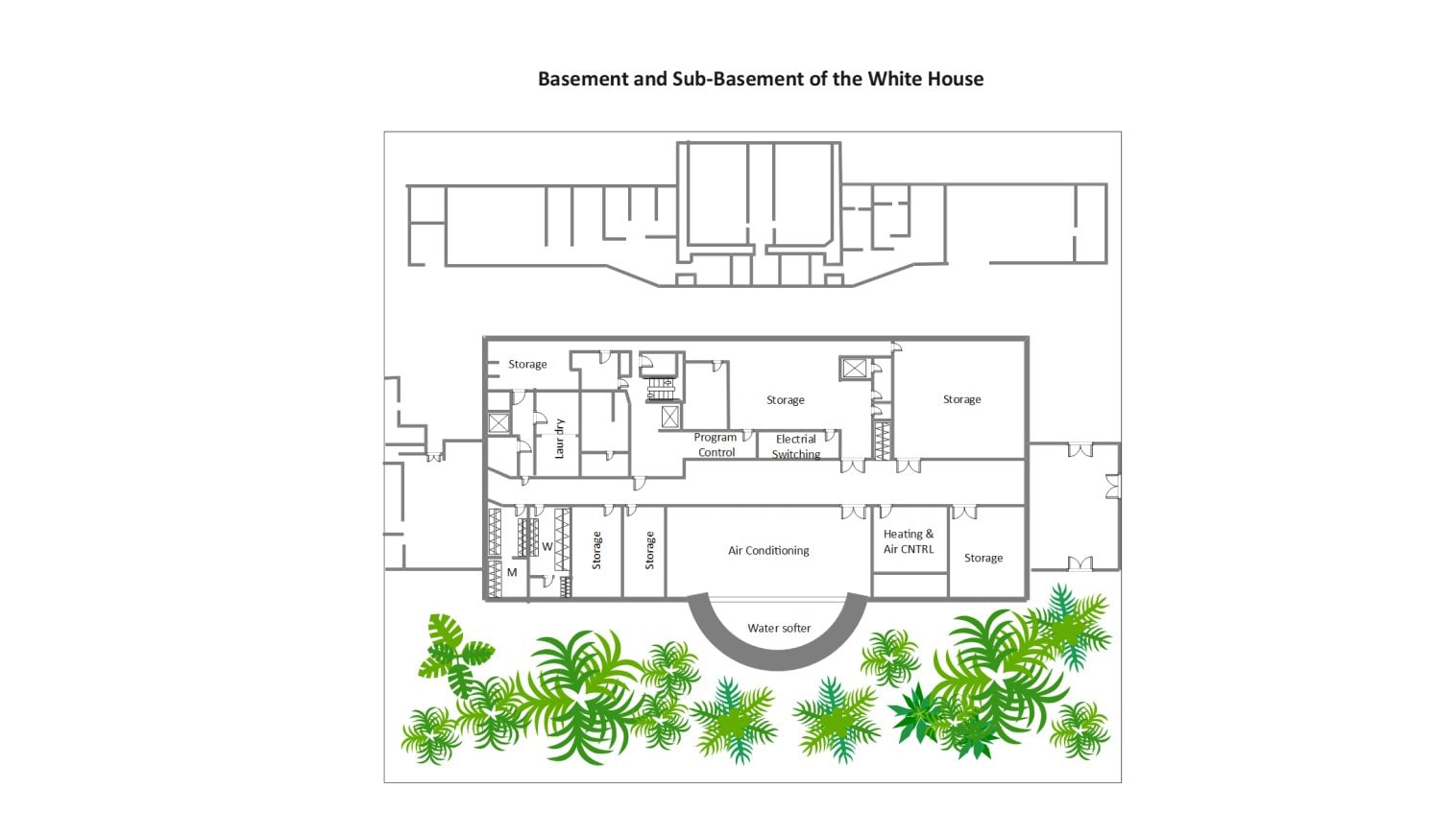
The East Wing basement is a practical level that plays an essential role in keeping the White House operating efficiently. This level has more focus on behind-the-scenes functions to support building the daily workload. There are no ceremonial rooms or visitors here. The basement is designed to keep activity running without even disrupting the visible parts of the East Wing.
In this area, you will see a mix of service corridors, storage zones, and functional rooms that handle the constant flow of people, supplies, and equipment that passes through the White House daily. Many preparations, from processing materials to maintenance routines, begin here because of public entry through the East Wing.
You might expect some basement functions, including:
- Utility and Mechanical rooms: Manage climate control, essential building operations, and electrical systems.
- Service Pathways: Allow staff members to cooperate discreetly between areas.
- Support Rooms: Tied to security and logistics, depending on the layout of the wing.
The basement space is out of view, and its organization is intentional. All operational work is done in the basement, separated from the upper public areas, allowing the East Wing to maintain a polished, orderly experience for visitors and ensure the building stays functional throughout the day.
The East Wing Sub-Basement?
The sub-basement is located even deeper in the building structure. The main purpose is to provide heavy support, security, and essential infrastructure. This level handles the internal systems to keep the East Wing safe, stable, and ready for daily operations. No public functions can occur here.
The sub-basement management handles specific tasks, while the basement handles general logistical activities. This section includes areas for building maintenance, technical equipment, and secure pathways connecting different parts of the White House complex without disruption.
You should expect the following common features in an East Wing sub-basement:
- High-Security Access Points: Used by authorized personnel.
- Mechanical or Equipment-Heavy Rooms: Linked to power, communications, or monitoring systems.
- Restricted Corridors: Enable discreet movement across sections of the property.
The function of the sub-basement is quiet but vital. Setting these systems deep below the basement can maintain security standards, protect sensitive operations, and allow upper spaces for public access and administrative work. You never see this layer, but it ensures the entire wing runs reliably.
Conclusion
Looking at the East Wing floor plan gives you a better sense of what the White House does beyond its public persona. At each level, from the basement and sub-basement to the ground, first, and second floors, there are different purposes.
By way of this layout, what you see is the fine line between what is accessible and what is discrete, what is ceremonial and what is practical.
AI Diagram Generator
Enter your prompt. Upload files if needed. Generate diagrams, charts, or slides instantly.





 (AI & Web)