- All templates
- Concept map templates
19 Concept Map Templates
Explore 19 concept map templates for biology, chemistry, environmental topics, and learning. Choose an example, replace the concepts, and label connections to explain how ideas relate.
Categories
-
Teams
-
User cases
-
Diagram types
Flowchart Mind map Concept map Bubble map Org chart Gantt chart Pie chart Bar chart Form Table Genogram Pedigree charts Timeline Family tree Floor plan PID diagram Circuit diagram Wiring diagram Block diagram Network diagram ER diagram UML diagram Class diagram Activity diagram Interaction overview diagram Sequence diagram Deployment diagram Communication diagram Internal block diagram Composite structure diagram Use case diagram Package diagram Timing diagram SWOT analysis Value chain analysis PESTEL analysis Decision tree Fishbone diagram WBS diagram Math diagram Road map Graphic organizer Data flow diagram





Choose Your Concept Map
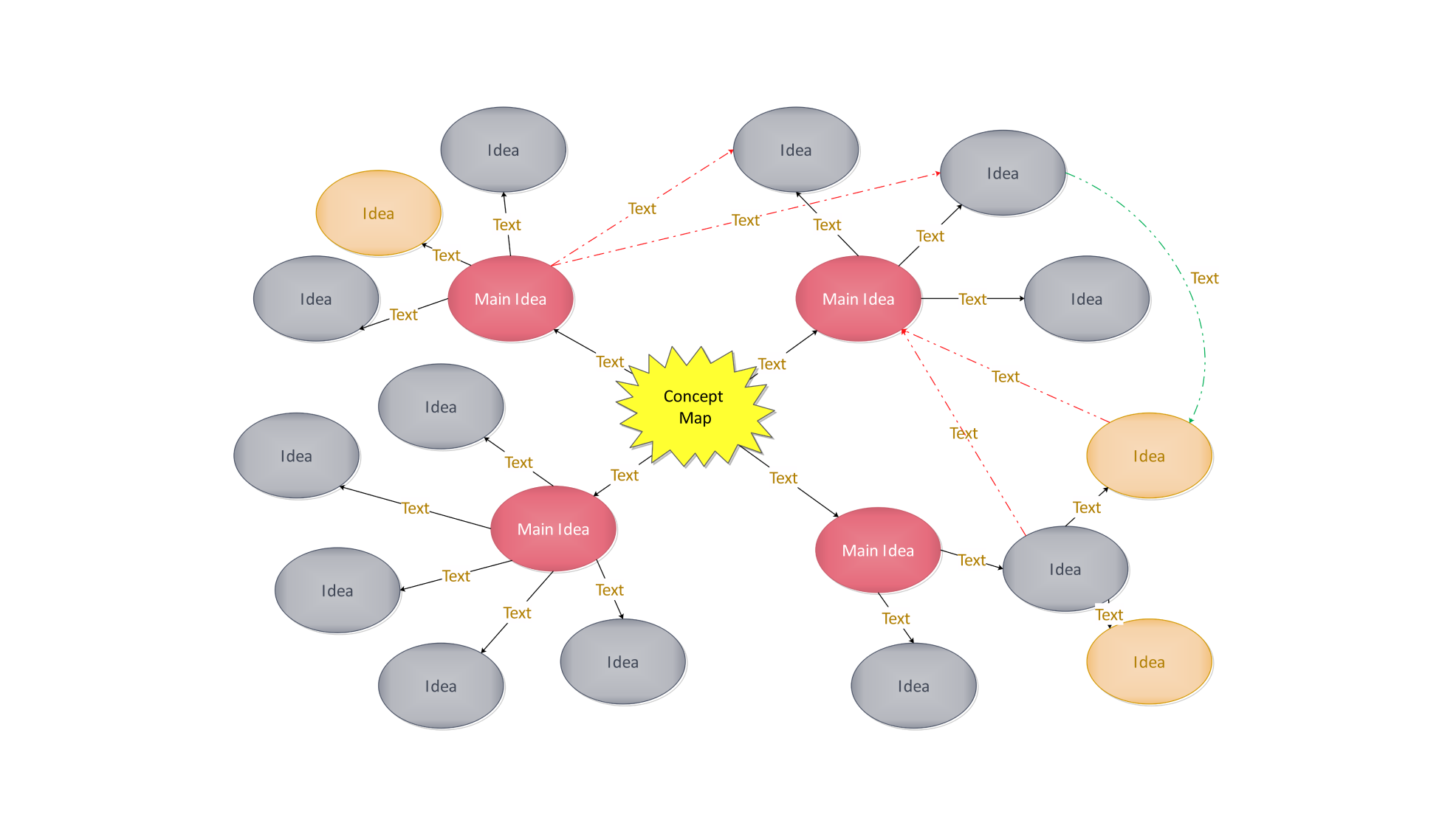
A concept map connects concepts with linking words or phrases that explain a relationship. For example, “plants — contain — tissues” forms a statement readers can understand on its own.
- Biology: start with cell, DNA, protein, enzyme, or plant examples to organize structures, functions, and relationships.
- Chemistry and physics: use atom, matter, chemical bonding, or energy examples to organize categories and connections.
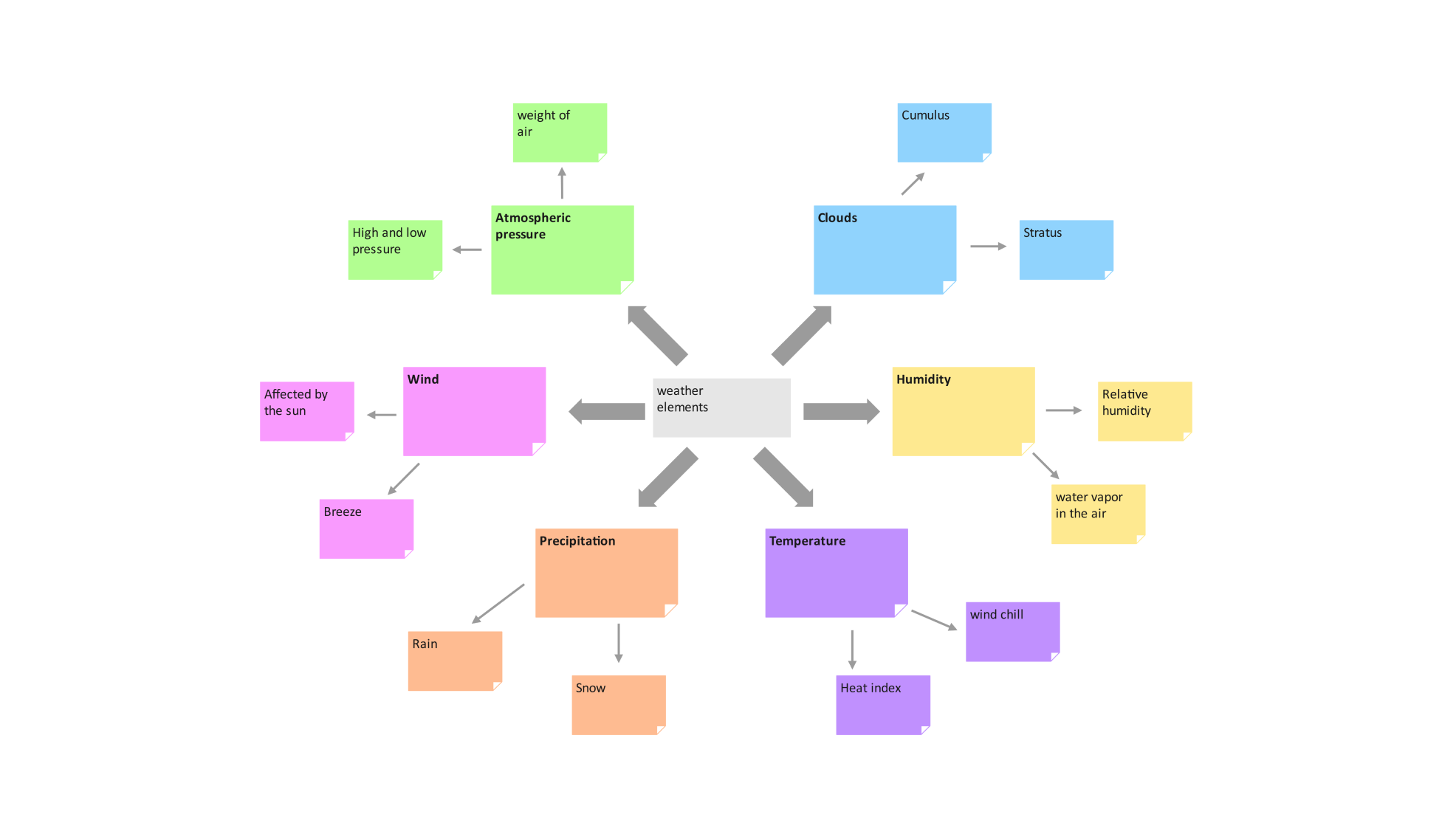
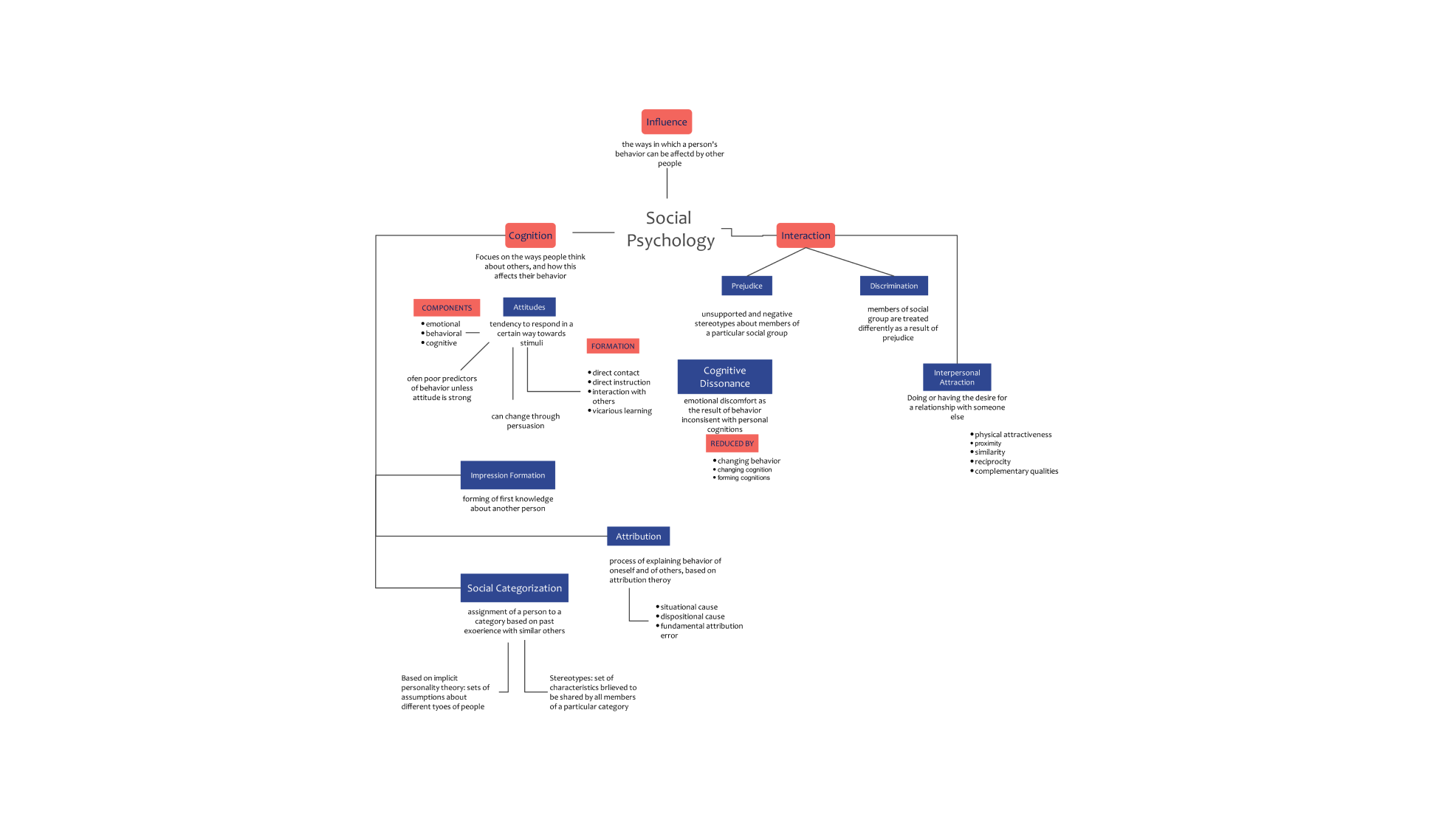
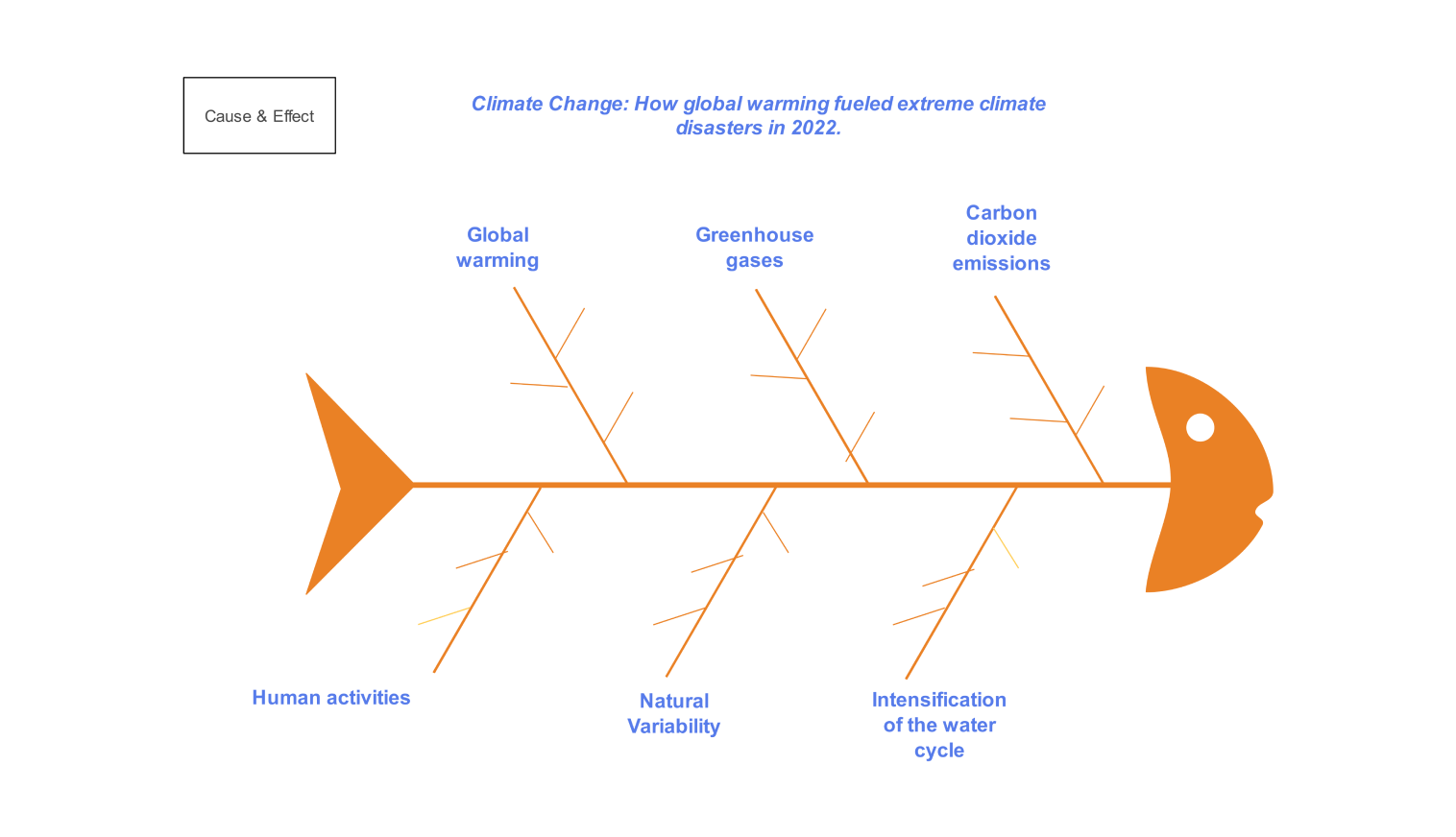
- Environment and social topics: choose weather, climate change, globalization, or social psychology examples to connect contributing factors and ideas.
Use the subject example as a starting layout, then check every label against your course materials or research. Unlike a simple radial brainstorm, a concept map should make the meaning of its connections explicit.
Customize Your Concept Map
- Choose a template and open its detail page to access the editable example.
- Write a focus question and replace sample nodes with the concepts needed to answer it. Arrange broad ideas above more specific ones when useful.
- Label the connectors with linking phrases and add cross-links where concepts in different branches are related.
- Read each concept–link–concept statement aloud, check its accuracy, and save or export the revised map using the options available in EdrawMax.
Get started with EdrawMax today
Create 210 types of diagrams online for free.
Free Download Free Download Draw a diagram free Draw a diagram free Draw a diagram free (AI & Web)